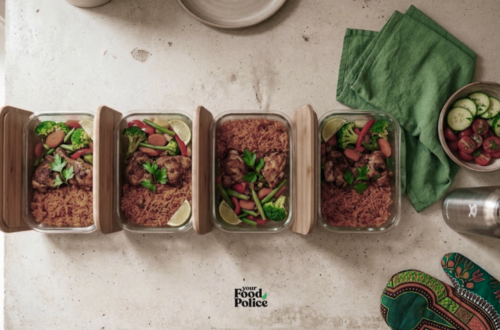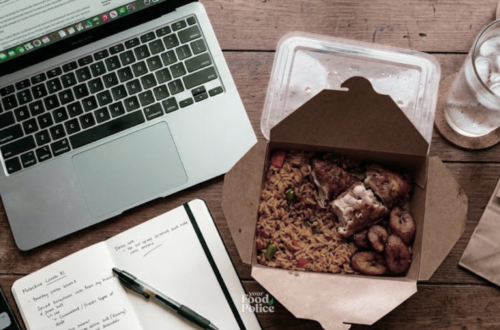






The best lunch ideas for work are ones you can prepare in under 30 minutes, carry without spillage, eat without reheating, and afford on a regular salary. Here are seven that actually fit Nigerian life in 2026.
Forget the Pinterest meal-prep content showing colour-coded bento boxes with ingredients you can only find in Shoprite’s imported aisle. This list is for the everyday banker eating at their desk, the student with a two-hour break between lectures, and the civil servant trying to avoid the ₦3,500 jollof rice at the cafeteria every day.
Why Your Work Lunch Matters More Than You Think
Skipping lunch or eating badly at work hurts your afternoon productivity. A 2023 study published in PLOS ONE found that workers who ate a balanced midday meal reported significantly better concentration and fewer energy crashes between 2pm and 4pm, which is the time most office workers describe as their “dead zone.”
Your lunch also contributes more to your daily nutrition than most people realise. If you eat three meals a day, lunch is your best opportunity to correct a light or rushed breakfast and fuel you through the rest of the workday.
What Makes a Work Lunch Actually Work?
A good work lunch for Nigerians ticks four boxes:
- Portable – It survives in a bag for 2-4 hours without becoming a mess or a health hazard
- Affordable – Realistic on a budget of ₦1,500 to ₦4,000 per meal
- Filling – It keeps hunger away until dinner without a 3 pm sugar crash
- Quick to prepare – Under 30 minutes of active cooking, ideally batch-cooked the night before
With those standards in mind, here are the seven best lunch ideas for work.
1. Rice and Beans (Cooked Together, Not Separately)

This is probably Nigeria’s most underrated power lunch. When you cook rice and beans together, you get a complete protein, meaning the amino acid profile of the beans complements the rice in a way that rivals meat. This matters if you are cutting costs or eating less animal protein.
Why it works for work
A standard plate of rice and beans (roughly 300g cooked) gives you approximately 400-450 calories, 15-18g of protein, and a significant amount of resistant starch, which digests slowly and keeps you full. No energy spike, no crash. Just steady fuel.
2. Ofada Rice With Ayamase Sauce (Pre-Packed)

Ofada rice is a Nigerian brown rice variety grown locally. It has a higher fibre content than regular white rice, a nuttier flavour, and a lower glycaemic index, meaning it raises blood sugar more slowly. For busy professionals trying to manage energy levels through the afternoon, this matters.
Packing it right
Ayamase (the green pepper stew) is rich and oily. The trick is to pack it separately from the rice in a small container and mix at lunch. This prevents the rice from going soggy and makes it easier to reheat if you have access to a microwave.
Nutritional edge: Ofada rice contains more zinc, B vitamins, and dietary fibre per 100g than polished white rice, according to data published by the Nigerian Institute of Food Science and Technology (NIFST).
3. Moi Moi

Moi moi is one of the best work lunches for Nigerian professionals and students. It contains protein from the beans, egg, and fish it is cooked with, and holds up well at room temperature for 4-5 hours if properly made.
The nutrition case for moi moi
A medium-sized moi moi portion (about 200g) made with black-eyed beans, egg, and fish or sardine contains roughly 220-270 calories and 14-18g of protein. That is a solid midday meal on its own, or pair it with akamu (pap), ogi, garri, or a small serving of bread.
Making it the night before
The time-consuming part of moi moi is blending. Blend your beans on Sunday evening, divide into portions, add your fillings, and steam everything. You now have 3-5 single-serve moi moi portions ready for Monday through Wednesday.
4. Whole Wheat Bread Sandwiches With Nigerian Fillings

Before you scroll past this one, hear me out. The Western-style sandwich is not the problem. The soggy, flavourless chicken-and-lettuce version is. Nigerian fillings change the whole conversation.
Fillings that actually work
| Filling | Protein (approx.) | Prep time |
| Scrambled eggs + suya spice | 12-14g | 10 mins |
| Sardine + diced onion + pepper | 15-18g | 5 mins |
| Minced meat (cooked) + sliced tomatoes | 20-24g | 15 mins |
| Avocado (pear) + boiled egg | 10-12g | 5 mins |
Why whole wheat bread specifically
Whole wheat bread has 2-3x more fibre than regular white bread, which means slower digestion and longer satiety. A 2021 review in the American Journal of Clinical Nutrition confirmed that substituting refined grain products with whole grain alternatives reduced overall caloric intake at subsequent meals by an average of 11%.
Whole wheat bread is widely available in Nigeria. Butterfield, Agege bread bakeries, and most supermarkets now carry it.
5. Noodles Done Right

INoodles is everywhere, affordable, and not going anywhere. The problem is not the noodles; it is how most people eat them, overcooked in too much water, with the full seasoning sachet (which is extremely high in sodium), and nothing else added. That version is low in protein, high in sodium, and digests so quickly that you are hungry again by 2 pm.
How to upgrade your noodles for work
Step-by-step for a proper noodle lunch:
- Cook 1-2 packs of noodles with only ½ the seasoning sachet to reduce sodium intake.
- Drain most of the water. You want this drier, not soupy, so it travels better.
- Stir in 2 beaten eggs into the hot noodles and toss until cooked through. This adds protein without extra cost.
- Add any vegetables you have: diced carrots, shredded cabbage, green onions, diced tomatoes.
- Optional: add leftover chicken, mackerel (titus fish), or sardines for more protein.
- Pack in an airtight container. Eats well cold or reheated.
The sodium caution
One full Indomie seasoning sachet contains approximately 800-1,000mg of sodium. The World Health Organization recommends less than 2,000mg per day for adults. Using half the sachet and bulking up with vegetables and protein is a simple way to eat Indomie more sensibly.
6. Boiled Yam or Plantain With Egg Sauce

This is the classic Nigerian breakfast that works just as well as a work lunch. Boiled yam or plantain with a well-seasoned egg sauce travels well, costs very little, and delivers a good balance of complex carbohydrates and protein.
Why yam is a good work lunch
Yam is rich in complex carbohydrates, vitamin C, manganese, and potassium. It also contains a compound called diosgenin, which some nutrition researchers believe supports hormone balance, though more human trials are needed. What we know for certain is that boiled yam has a moderate glycaemic index of around 51 (compared to white rice at 64-72), which means steadier blood sugar through the afternoon.
Unripe plantain is even better. Unripe plantain has a GI of roughly 38-45, making it one of the most blood sugar-friendly staples in the Nigerian diet. Boil it, slice it, pack it with egg sauce, and you have a lunch that keeps you alert without the 3pm fog.
Egg sauce recipe for two servings
- Heat 2 tablespoons of oil in a pan
- Add blended or diced tomatoes, peppers, and onions. Fry until dry, about 8-10 minutes
- Beat 3-4 eggs, pour in, and scramble gently
- Season with salt, a small amount of seasoning cube, and crayfish if you have it
7. Jollof Spaghetti With Vegetables and Protein

Jollof spaghetti is the weekday workhorse. It is fast, uses the same base as jollof rice (tomatoes, pepper, seasoning), and holds up beautifully in a container for hours. It is also significantly cheaper per serving than jollof rice when made at home.
Making it in bulk
Cook a large pot on Sunday. It keeps in the refrigerator for 3-4 days. Portion into containers and refrigerate. This is the work lunch that solves Monday through Wednesday with one cooking session.
How to Actually Stick to Packing Lunch for Work
Knowing what to make is only half the battle. Here is a simple system that works:
- Pick two or three options from this list and rotate them weekly. Decision fatigue kills consistency.
- Cook in bulk once or twice a week. Sunday evening and Wednesday evening covers most of the work week.
- Invest in a good flask or an airtight container. A leaking container has ended many people’s meal prep ambitions.
- Keep it in the office fridge if you have one. If not, a small insulated lunch bag keeps food safe for 4-5 hours.
- Do not aim for perfection. Some days Chowdeck wins. That is fine. The goal is most days, not every day.
FAQs
Q: What is the easiest lunch to pack for work in Nigeria?
A: Moi moi is the easiest because you can make it in bulk over the weekend. A single moi moi portion with sardine and egg packs 14-18g of protein and keeps you full for 3-4 hours.
Q: What are good lunch ideas for work that do not need to be reheated?
A: Rice and beans, moi moi, bread sandwiches with Nigerian fillings, and boiled yam with egg sauce all eat well at room temperature. The key is letting them cool completely before sealing the container so moisture does not build up and make everything soggy.
Q: How do I pack lunch for work without it smelling in the office?
A: Use airtight containers, avoid very pungent protein like stockfish or ogiri in your base dish, and store your lunch in the office fridge or a cooler bag. Strong-smelling soups like egusi or ofe onugbu are better left as dinner.
Q: What is a cheap but healthy lunch for work in Nigeria?
A: Rice and beans cooked together cost little and is nutritionally excellent, offering complete protein, complex carbohydrates, fibre, and B vitamins. It is probably the best value-for-nutrition lunch available to Nigerians at any income level.