




Nigeria’s sugar tax is pushing soft drink prices up and forcing manufacturers to rethink their recipes, but not fast enough to change what most Nigerians drink every day.
Since 2022, a flat N10 per litre levy has sat on every bottle of Coke, Fanta, and Sprite.
That changed in June 2026, when the Senate approved a new percentage-based sugar tax tied directly to retail prices. For anyone budgeting for drinks, cooking for a household, or just trying to cut sugar, this matters. A lot.
What Is Nigeria’s Sugar Tax?
Nigeria’s sugar tax is an excise duty charged on sugar-sweetened beverages like soft drinks, energy drinks, and sweetened juices.
Introduced in 2022 under the Finance Act, the tax started as a flat N10 per litre charge on carbonated drinks and other sweetened beverages, regardless of price or sugar content.
Ten naira on a litre of soda felt invisible, tucked into a price that was already climbing because of inflation, not policy. That is exactly the criticism health economists raised for years: the sugar tax was too small to change anyone’s behaviour.
Everything shifted in June 2026. The Senate passed the Customs, Excise Tariff, etc. (Amendment) Bill, which replaces the flat N10 per litre excise duty on sugar-sweetened beverages with a percentage-based levy tied to retail prices.
The exact percentage is not fixed yet. Instead, the Minister of Finance will set the rate, guided by international best practices. The bill still needs House of Representatives approval before it becomes law, so the final number could shift.
Why Did Lawmakers Change the Sugar Tax Structure?
The old flat-rate sugar tax did not account for how much sugar was actually in a drink, so a can of pure fruit juice and a bottle of full-sugar soda paid the same N10.
The committee behind the new bill pointed out that the existing structure gave manufacturers little incentive to reduce sugar levels in their products. A price-linked tax, lawmakers argued, would respond better to inflation and hit sugary products harder as prices rise.
Health officials pushed for something even stronger. At the Senate hearing, the Coordinating Minister of Health argued for raising the tax closer to what the World Health Organisation recommends.
The WHO says health-related taxes should raise retail prices by at least 20 percent to meaningfully change consumer behaviour. Nigeria’s current N10 charge falls far short of that mark on most bottles.
Is Nigeria’s Sugar Tax Working?
Not yet, based on the numbers so far. Sugar-sweetened drink consumption in Nigeria has kept climbing since the tax began in 2022, not falling.
SSB consumption rose 123 percent between 2008 and 2022, while per capita SSB sales increased by 119.1 percent between 2010 and 2024, making Nigeria one of Africa’s fastest-growing soft drink markets.
On an average day, Nigerians drink roughly 38.6 million litres of soft drinks, placing the country as the fourth-largest consumer of soft drinks in the world.
The health cost behind those numbers is significant. About 81 percent of Nigerian adolescents were found to consume sugar-sweetened beverages daily, according to a 2025 study. Meanwhile, diabetes cases keep climbing.
An estimated 11 million Nigerians live with diabetes, though the real number is likely higher because many cases go undiagnosed. These trends line up with what I see when clients come in worried about weight gain or blood sugar.
Sugary drinks are rarely the only cause, but they are often the easiest habit to spot and fix first.
What Went Wrong With the First Version of the Sugar Tax?
Four years of a flat N10 charge simply did not move the needle, because inflation outpaced it. A drink that cost N150 in 2022 might cost N400 today, so a fixed N10 tax now represents a much smaller share of the price than it did at launch.
That is the core reason the government moved toward a percentage-based system instead.
How Will the New Sugar Tax Change Drink Prices?
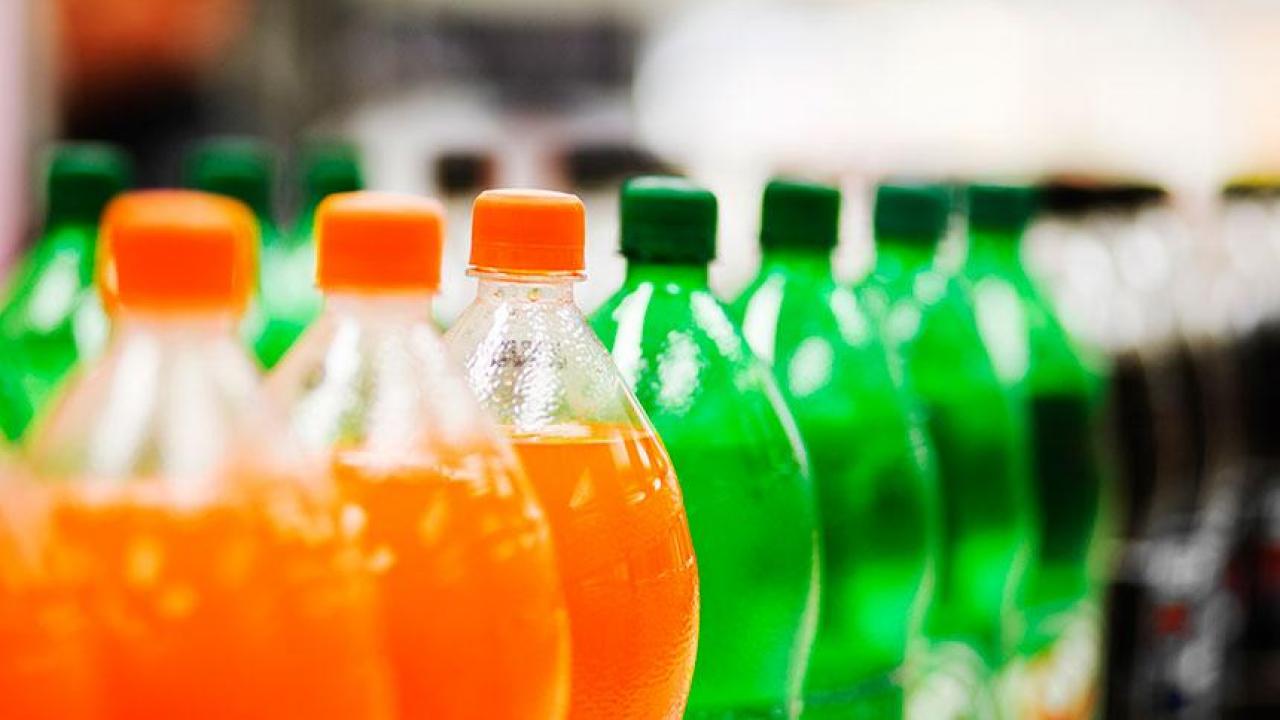
Expect soft drinks, energy drinks, and sweetened juices to cost more once the new rate takes effect, though nobody can say exactly how much yet. Analysts already warn the shift will push up the price of soft drinks and similar products across Nigeria.
One proposal on the table would set the levy as high as N130 per litre on some products, according to industry estimates, a dramatic jump from the old N10 charge.
To put the cost in perspective, one analysis estimated that a lifetime of the current levy would cost an average drinker around N210,000, spread across decades of purchases.
That number changes significantly once the percentage-based system replaces the flat charge, since price-linked taxes rise automatically as drink prices climb.
Here’s a simple breakdown of how the two systems compare.
| Feature | Old sugar tax (2022–2026) | New sugar tax (approved June 2026) |
| Structure | Flat rate | Percentage of retail price |
| Rate | N10 per litre | Set by the Minister of Finance |
| Adjusts with inflation | No | Yes |
| Rewards low-sugar reformulation | No | Not directly; based on price, not sugar content |
| Applies to | Carbonated drinks, energy drinks, sweetened beverages | Same categories, wider price sensitivity |
Why Doesn’t the Sugar Tax Reward Companies for Cutting Sugar?
Because Nigeria’s version taxes the price of a drink, not the sugar inside it. Countries like South Africa and Britain tax the sugar content of a drink directly, which rewards manufacturers for reformulating their recipes to use less sugar.
Nigeria’s bill instead taxes a percentage of the retail price, no matter how much sugar a drink contains. A diet soda and a full-sugar soda at the same price would face a similar tax burden under this design, which critics say weakens the health argument behind the policy.
Have Sugar Taxes Worked in Other Countries?
Yes, in places where the tax was designed around sugar content rather than price alone. Nigerian lawmakers pointed to three examples while debating the new bill: Mexico, South Africa, and the United Kingdom.
In each case, sugar taxes led to lower consumption levels and measurable improvements in public health outcomes, according to the committee that reviewed the bill.
South Africa’s Health Promotion Levy taxes drinks based on grams of sugar per hundred millilitres, so a bottle with less sugar pays less tax. This structure gave manufacturers a direct financial reason to reformulate rather than just raise prices.
The UK took a similar approach with its Soft Drinks Industry Levy, and several major beverage brands cut sugar content in their UK recipes specifically to avoid the higher tax band.
Mexico went the more straightforward route with a flat peso-per-litre tax, similar to Nigeria’s original N10 model, but pegged the amount high enough from the start to actually move prices.
Researchers linked the tax to a meaningful drop in sugary drink purchases in the years that followed.
Why Hasn’t Nigeria Copied the South Africa or UK Model?
Cost and complexity, mostly.
A sugar-content-based tax requires testing and verifying the actual sugar levels in thousands of different products, which needs stronger regulatory infrastructure than a flat or price-based system.
Building that capacity takes time and money that Nigeria’s tax authorities don’t currently have earmarked. For now, lawmakers chose the simpler route of taxing retail price instead, even though critics argue it blunts the health incentive the tax was originally designed to create.
How Is the Beverage Industry Responding to the Sugar Tax?

Manufacturers are pushing back hard, warning of job losses and higher costs across the supply chain.
The Manufacturers Association of Nigeria has warned that raising excise duties on sugar-sweetened beverages could jeopardise more than 1.5 million direct and indirect jobs connected to the non-alcoholic drinks sector.
Business groups like the Abuja Chamber of Commerce have called for the House of Representatives to pause the bill and consult more widely before it becomes law.
There’s also a bigger sugar supply story behind the scenes. Nigeria still imports most of the sugar it uses in beverage production.
The country spent roughly N953.9 billion, around $700 million, importing sugar over a recent twelve-month period, despite years of trying to build local production.
The government’s National Sugar Master Plan has pushed major players like Dangote, BUA, and Flour Mills to invest in local cane farming, drawing in about $3 billion in investment and creating roughly 15,000 direct jobs and 60,000 indirect jobs so far.
Production numbers already show strain. Nigeria’s sugar consumption fell 16 percent in 2023, while domestic sugar production collapsed by 35 percent, according to the National Sugar Development Council.
Manufacturers say this points to a squeeze on margins that started well before the new percentage-based levy takes effect.
Steps Drink Makers Typically Take When a Sugar Tax Rises
When governments raise sugar taxes elsewhere, manufacturers usually respond in one of a few predictable ways. Here’s what history from other countries suggests could happen in Nigeria:
- Reformulate recipes. Some brands quietly reduce sugar content to lower their tax exposure, especially where the tax is tied to sugar levels rather than price.
- Shrink pack sizes. Instead of raising the price per bottle, companies sell smaller bottles at the same price point, so shoppers pay more per litre without noticing a sticker shock.
- Pass costs to consumers. Many manufacturers simply raise shelf prices and let shoppers absorb the tax directly.
- Push cheaper, informal alternatives. Some production shifts toward unregulated or locally blended drinks that sit outside the tax net entirely.
- Lobby for delay or exemption. Trade groups often push lawmakers to soften, delay, or restructure the tax before it takes full effect, which is exactly what’s happening in Nigeria right now.
Because Nigeria’s new sugar tax is price-based rather than sugar-based, option one (reformulation) offers manufacturers less financial reward than it would under a UK or South Africa-style tax.
That’s part of why some public health experts wanted a tiered, sugar-content-based system instead.
What Does the Sugar Tax Mean for Your Grocery Budget?
If you’re a student in a hostel or a young professional grabbing a meal, expect soft drinks to take a slightly bigger bite out of your budget once the new rate lands.
A pack of soft drinks that costs around N4,000 to N5,000 today could see prices climb further, on top of the inflation increases already hitting shelves.
A few practical swaps can soften that hit without sacrificing flavour. Zobo, made from hibiscus leaves and lightly sweetened at home, costs a fraction of a bottled soft drink and skips the sugar tax entirely because you’re making it yourself.
Fresh pineapple or watermelon juice from your local market often works out cheaper per litre than bottled juice, especially when fruit is in season. Kunu, a traditional millet or sorghum drink, is another budget-friendly option that many Nigerian households already know how to prepare.
How Can You Cut Back on Sugary Drinks Without Feeling Deprived?
Cutting sugary drinks doesn’t mean cutting out flavour, and it definitely doesn’t mean drinking plain water at every meal if that feels boring to you. Try these steps instead:
- Batch-brew zobo or kunu on weekends. Making a big jug on Sunday means you have a cold, flavourful drink ready all week without buying bottles daily.
- Check the label before you buy. Some juice blends carry more sugar per serving than a can of soda. A quick label check helps you compare fairly, not just by price.
- Keep fruit on hand for cravings. A slice of watermelon or a cup of chilled pineapple often satisfies a sugar craving as well as a fizzy drink does, at a lower cost.
- Save soft drinks for occasions. Treat bottled sugary drinks as a weekend or event thing rather than a daily habit.
Will the Sugar Tax Apply to Zobo, Kunu, or Homemade Drinks?

No, the sugar tax only applies to commercially manufactured and packaged sugar-sweetened beverages sold by registered producers and importers.
Homemade drinks like zobo, kunu, and fresh juice blended at home or bought from a local vendor fall outside the tax entirely, since the levy targets factory production and retail sale, not informal or home preparation.
FAQs
- How much is the sugar tax on drinks in Nigeria right now?
As of mid-2026, the sugar tax is still N10 per litre while the Senate’s new percentage-based bill awaits House of Representatives approval. Once signed into law, the Minister of Finance will set the new percentage rate.
- Will Coke and Fanta prices go up because of the sugar tax?
Yes, prices on carbonated drinks like Coke and Fanta are expected to rise once the percentage-based sugar tax takes effect, since the new system ties the tax directly to retail price rather than a fixed per-litre amount.
- Does the sugar tax cover energy drinks and sweetened juices?
Yes, the sugar tax applies broadly to sugar-sweetened beverages, including carbonated soft drinks, energy drinks, and sweetened juices, not just cola-style sodas.
- Is Nigeria’s sugar tax similar to South Africa’s?
No, South Africa taxes the sugar content inside a drink, which pushes manufacturers to cut sugar levels. Nigeria’s new tax is based on retail price instead, so it doesn’t directly reward companies for lowering sugar content.