





Yes, you can build real strength and fitness inside a small Nigerian apartment. A self-contain, a face-me-I-face-you room, or a corner of a shared flat gives you enough space for squats, push-ups, and other bodyweight exercises that need no gym membership and no equipment at all.
The most effective home workouts only need about the space of a prayer mat. Once you know which moves work best in a tight room, size stops being the excuse.
People who stick with fitness the longest are rarely the ones with the fanciest gym contracts. They are the ones who found something simple they could repeat, in the space they already had, without waiting for payday or perfect conditions. This guide shows you exactly how.
Do You Need a Gym To Get Fit in Nigeria?
No, you do not need a gym to get fit in Nigeria. Bodyweight training builds real strength, burns calories, and improves your heart health, gym membership or not.
A 2023 controlled study on sedentary young women compared six weeks of progressive bodyweight squat training against barbell back squats.
Both groups saw significant gains in strength and muscle thickness, which means the version without weights held its own against the version with them. In other words, your own body provides enough resistance to trigger real change, especially if you are just starting out.
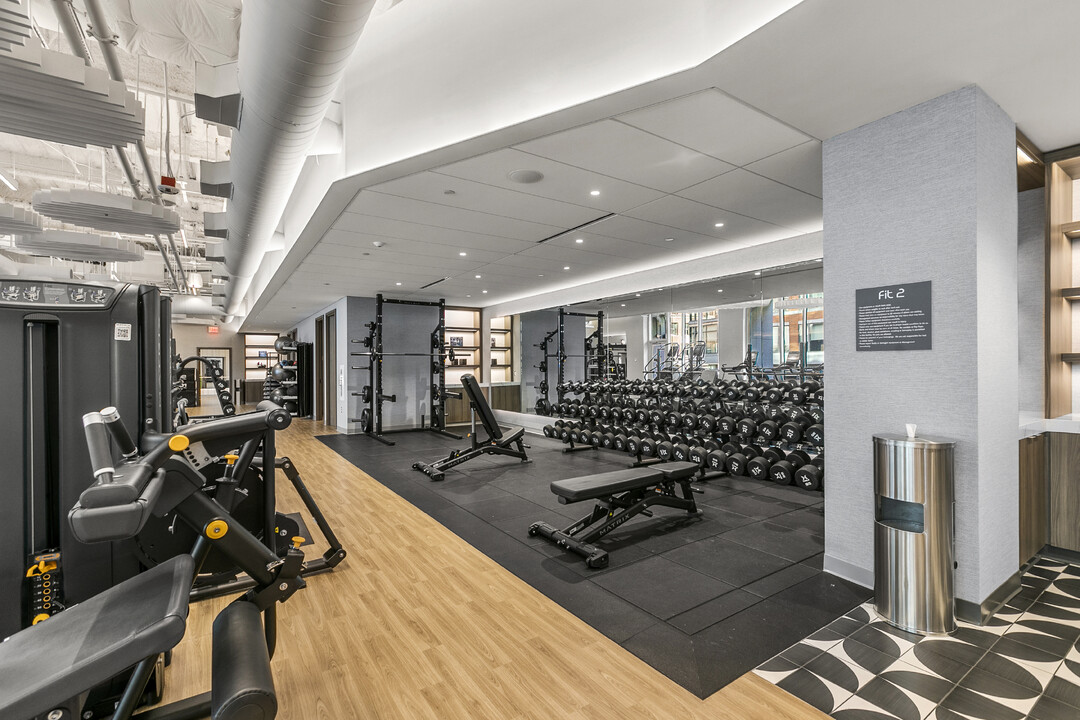
That said, a gym has advantages once you want heavier loads for advanced strength goals.
However, for the average busy Nigerian professional or student trying to stay fit, lose fat, or simply feel less sluggish, home workouts with no equipment can carry you a long way before you ever need a barbell.
This matters more than most people realise. A systematic review published in the Journal of Public Health found that physical inactivity affects a bigger share of Nigerians in cities than in rural areas, with urban dwellers showing notably higher inactivity rates.
Long commutes, desk jobs, and cramped living spaces all play a part. Because of this, a workout that fits inside your own four walls solves a real, documented problem.
How Much Floor Space Do You Really Need?
You need about six feet by six feet of clear floor space, roughly the size of a small prayer mat or a single mattress laid flat. That is enough room to squat, plank, lunge, and do push-ups without knocking over your reading table.
If your room is smaller than that, you can still work with it. Push your chair to one side, slide your box of provisions under the bed, and clear a strip along the widest wall.
Most apartment workouts happen in bursts of movement within a two-step radius, so you rarely need to move far from where you started.
For exercises that involve stepping side to side, face the longest open stretch in your room, even if that is diagonal, corner to corner.
What Are the Best Bodyweight Exercises for Small Apartments?
The best bodyweight exercises for small apartments are ones that work large muscle groups while staying in one spot: squats, push-ups, planks, glute bridges, and step-ups on a stable chair or low stool.
These target your legs, chest, back, and core without needing you to run, jump far, or swing your arms into furniture.
Lower Body Moves for Legs and Glutes
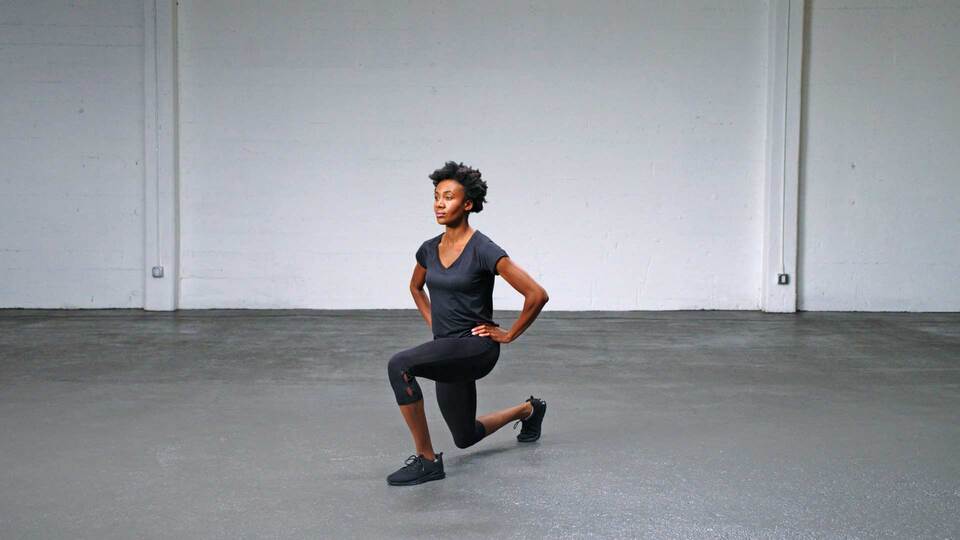
Squats, lunges, and glute bridges train your thighs, hamstrings, and glutes using nothing but your bodyweight and gravity. Because these moves happen in place, they fit into almost any room, even one crowded with boxes and a rechargeable fan.
Add a chair or a sturdy stool for step-ups, and you get an extra challenge for your heart rate too. As a result, your lower body session doubles as light cardio.
Core Exercises That Don’t Need a Mat
Planks, dead bugs, and bicycle crunches strengthen your abdominal muscles and lower back without any equipment. A folded wrapper, a towel, or a bedsheet works fine as a floor cushion if your tiles feel too cold or hard.
These moves also protect your spine during everyday tasks, from lifting a bag of rice to carrying a toddler on your hip. Therefore, core work is not just about a flat stomach; it supports your whole body.
Upper Body Moves Without Weights
Push-ups, tricep dips off a chair, and pike push-ups build your chest, shoulders, arms, and back. If a standard push-up feels too hard at first, drop to your knees or push against a wall instead, then progress to the floor as you gain strength.
Meanwhile, tricep dips using the edge of your bed frame or a sturdy chair target the back of your arms, a spot many people struggle to tone through diet alone.
Cardio That Won’t Wake Your Neighbours
High knees done at a walking pace, shadow boxing, and slow mountain climbers raise your heart rate without the loud impact of jumping jacks or burpees.
For a quieter option, try marching in place with exaggerated arm swings for two to three minutes. It looks simple, but done briskly, it gets your heart pumping just as well as louder alternatives.
How Do You Build a Weekly Home Workout Routine With No Equipment?
Building a weekly routine takes five steps: pick your days, choose one move per muscle group, set your reps, warm up briefly, and track your progress. Follow this order, and you will have a repeatable plan within ten minutes.
- Pick three to four days a week. Consistency matters more than intensity, so choose days you can realistically keep, such as Monday, Wednesday, Friday, and Sunday.
- Choose one exercise per major muscle group. For example: squats for legs, push-ups for chest and arms, planks for core, and glute bridges for your backside.
- Set a starting rep range. Beginners can aim for two to three sets of 10 to 15 reps per exercise, resting 30 to 60 seconds between sets.
- Warm up for three minutes. March in place, roll your shoulders, and swing your arms to loosen up before your first set.
- Track your reps in a notes app. Write down what you did each session, then aim to add one or two reps the following week.
Once this becomes routine, your body starts adapting within two to three weeks, and everyday tasks like climbing the stairs to your flat will feel noticeably easier.
Can Bodyweight Exercises Alone Help You Lose Weight?
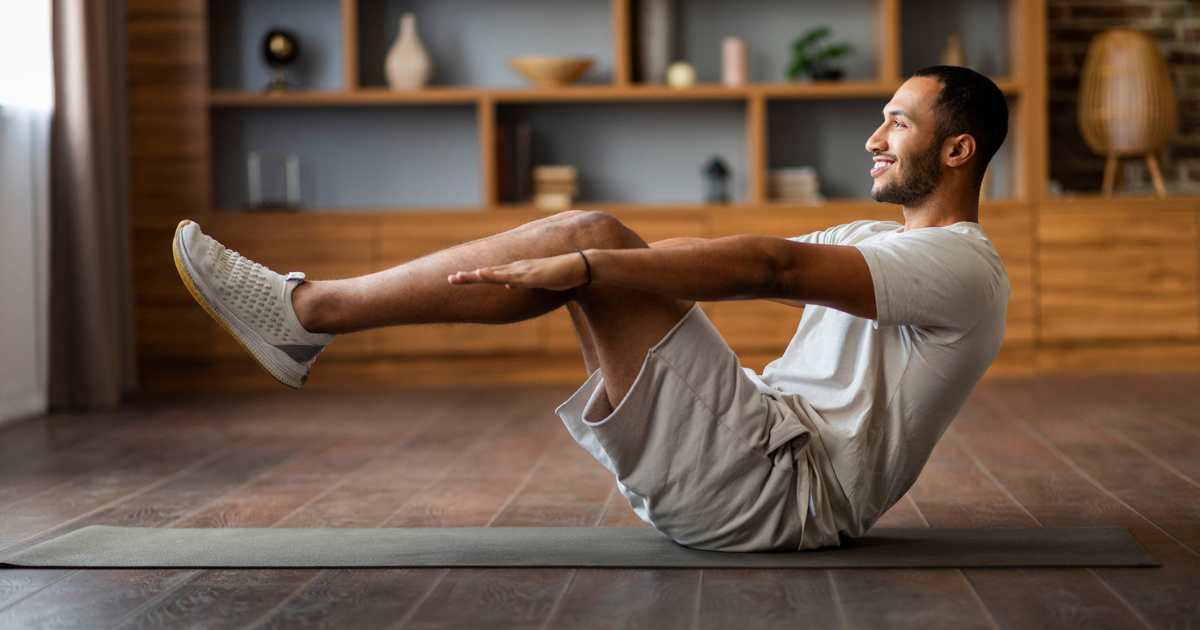
Yes, bodyweight exercises can help you lose weight, but only alongside a sensible eating pattern. Exercise burns calories and preserves muscle while you are in a calorie deficit, yet food intake still drives the bulk of weight change.
According to the World Health Organisation’s physical activity fact sheet, adults should get between 150 and 300 minutes of moderate-intensity activity, or 75 to 150 minutes of vigorous activity, every week for meaningful health benefits.
A brisk 20-minute bodyweight circuit, done most days, comfortably meets that target without ever leaving your compound.
On the other hand, skipping meals to “make up for” a missed workout backfires more often than it helps.
Home Workouts vs Gym Membership: What Does It Cost in Nigeria?
Home workouts cost close to nothing beyond your time, while gym memberships in most Nigerian cities range from roughly ₦10,000 to ₦35,000 a month depending on the facility and location. The table below breaks down a rough comparison for 2026.
| Item | Home Workout | Gym Membership |
| Monthly cost | ₦0 to ₦3,000 (optional mat or resistance band) | ₦10,000 to ₦35,000 |
| Commute time | None | 20 to 60 minutes round trip |
| Equipment needed | None to minimal | Provided on-site |
| Flexibility | Any time, any day | Limited to opening hours |
| Social motivation | Lower, unless you join online groups | Higher, with trainers and other members |
Neither option is automatically better for everyone. However, if budget or time is your biggest barrier, home workouts remove both obstacles, and you can always upgrade to a gym later once your finances or schedule allow it.
A Simple 20-Minute Full-Body Home Workout
This routine needs no equipment and fits into a small room. Warm up for three minutes first, then move through the circuit twice, resting one minute between rounds.
- Bodyweight squats – 15 reps
- Push-ups (knee or full) – 10 reps
- Glute bridges – 15 reps
- Plank hold – 30 seconds
- Standing high knees – 30 seconds
- Reverse lunges (alternating legs) – 10 reps per leg
Finish with two minutes of light stretching for your legs, back, and shoulders. Within a few weeks, this same 20-minute block will feel noticeably lighter, and that is your cue to add a third round or increase your reps.
FAQs
- How many days a week should I do home workouts?
Three to four days a week works well for most beginners, with at least one rest day between sessions. This gives your muscles time to recover while still building a consistent habit.
- Can push-ups and squats alone build muscle?
Yes, push-ups and squats can build muscle, especially for beginners, because your bodyweight provides enough resistance to challenge untrained muscles. As you get stronger, you can increase reps, slow your tempo, or try harder variations to keep progressing.
- Do I need a mat to exercise on a bare floor?
A mat is not required, but a folded towel, wrapper, or thin foam mat protects your knees and spine during floor exercises. Tiled floors especially benefit from some padding to stay comfortable during planks and lunges.
- Is jogging on the spot as good as running outside?
Jogging on the spot raises your heart rate and burns calories similarly to light outdoor jogging over short bursts. However, outdoor running builds slightly more leg power due to the forward push against real ground, so treat spot jogging as a solid substitute, not an identical twin.