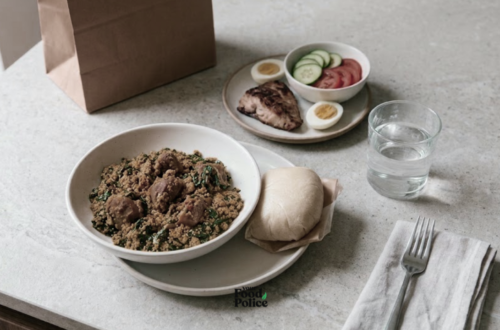



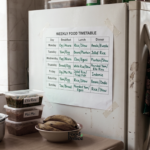



Diabetic-friendly Nigerian foods are the ones that release glucose slowly instead of spiking it, unripe plantain, beans, ofada rice, ugu, and bitter leaf soup, rather than garri, pounded yam, and sugary zobo.
This article breaks down exactly which local foods help, which ones to watch, and how to build a full day of meals around them without emptying your wallet.
Why This Matters More Than Most People Realise
Diabetes rarely shows up the way people expect. It’s not always the elderly uncle with a swollen foot. It’s the 32-year-old accountant who skips breakfast, grabs garri and groundnut at noon, and wonders why she’s always thirsty.
Nigeria carries the largest number of adults living with diabetes in the entire African region, with an estimated 3 million cases among adults in 2024 alone.
Nigeria has the highest number of adults aged 20 to 79 with diabetes in the IDF Africa Region, and nearly four out of five of those cases go undiagnosed. That last part is the real danger. Most people only find out after years of quiet, unmanaged blood sugar damage.
Food is where the fight starts. However, it doesn’t mean giving up swallow or soup forever, it means knowing which local staples work with your body instead of against it.
What Makes a Food Diabetic-Friendly?
A food is diabetic-friendly when it raises blood sugar slowly and doesn’t cause a sharp spike afterwards.
Scientists measure this with something called the glycaemic index (GI), which ranks foods from 0 to 100 based on how fast they turn into blood glucose. Fibre, protein, and fat all slow this process down, while refined starch speeds it up.
Foods low in fibre and high in refined starch, like garri, white bread, and pounded yam, tend to score higher on the GI scale.
On the other hand, whole legumes, leafy vegetables, and minimally processed grains score lower because your body has to work harder to break them down.
Portion size matters just as much as the food itself.
A Nigerian study on green plantain found this out the hard way: even though the plantain itself falls in the medium GI range, a standard test portion produced a high glycaemic load, so the researchers recommended cutting serving sizes to around 30 grams of carbohydrate to keep blood sugar in check.
In plain terms, unripe plantain isn’t automatically “safe” just because it’s unripe, how much you eat still counts.
Nigerian Carbs Ranked by Blood Sugar Impact

Not all swallow is created equal. Here’s how common Nigerian carbohydrate sources compare, based on available research and cooking method.
| Food | Blood Sugar Impact | Why |
| Eba (garri) | High | Refined cassava starch, almost no fibre left after processing |
| Pounded yam | High | Pounding breaks down fibre and speeds up digestion |
| Amala (yam flour) | High | Similar to pounded yam, very refined |
| Boiled unripe plantain | Medium | A Zaria-based clinical study measured its glycaemic index at 68 in both diabetic and healthy volunteers, placing it in the medium range; portion size still matters |
| Boiled white yam (not pounded) | Medium | How yam is prepared changes its effect on blood glucose in Nigerian patients with type 2 diabetes, with boiling generally gentler than pounding |
| Beans (ewa, moimoi) | Low–Medium | High in fibre and protein; research comparing different local bean varieties found they don’t all affect blood sugar the same way, so variety matters |
| Ofada or brown rice | Medium | More bran left intact than polished white rice, which slows digestion |
If you love swallow, the fix isn’t cutting it out. It’s shrinking the portion, pairing it with a fibre-rich soup, and choosing boiled options over pounded ones more often.
Protein and Vegetables That Support Blood Sugar Control

Protein and fibre are your biggest allies here, because they slow down how fast carbs hit your bloodstream. Build your plate around these first, then add carbs in moderation.
Vegetables to lean on:
- Ugu (fluted pumpkin leaf) – low in carbs, rich in fibre and vitamin A
- Bitter leaf – traditionally used in Nigerian diabetes management, low glycaemic impact
- Ewedu and okra – the slippery texture comes from soluble fibre, which slows sugar absorption
- Garden egg and its leaves – low calorie, filling
Proteins to prioritise:
- Fresh or dried fish (titus, mackerel, catfish) – lean protein with no added sugar
- Skinless chicken or turkey
- Beans and moimoi – protein plus fibre in one food
- Eggs – quick, cheap, and steady on blood sugar
Go easy on egusi and groundnut soup. They’re not forbidden, but they’re calorie-dense, so a smaller scoop goes a long way.
Is Garri Safe If You Have Diabetes?
Garri isn’t off-limits, but it needs careful handling because it’s highly refined cassava starch with almost no fibre left. A small portion, roughly half a cup, eaten alongside a vegetable-heavy, protein-rich soup causes a gentler rise in blood sugar than a full bowl eaten alone.
Pairing it with ugu soup and fish makes a difference. If your blood sugar tends to run high after eating eba, that’s a sign to shrink the portion further rather than cut it out completely.
Foods and Drinks to Limit or Avoid
Some everyday Nigerian foods and drinks work against blood sugar control more than people realise:
- Sweetened zobo and kunu – the natural drink is fine, but added sugar turns it into a problem
- Soft drinks and malt -high in free sugar with zero fibre to slow absorption
- Packaged fruit juice -often has more sugar per cup than the fruit it came from
- Deep-fried snacks (puff-puff, extra-oily akara) -not a direct sugar spike, but they add empty calories that worsen insulin resistance over time
- White bread and refined pastries -low fibre, quick sugar release
Sample One-Day Diabetic-Friendly Meal Plan
| Meal | Options |
| Breakfast | Boiled unripe plantain (small portion) with egg sauce, or akamu with a side of moimoi |
| Mid-morning snack | Handful of roasted groundnuts or a boiled egg |
| Lunch | Small eba or ofada rice with ugu soup, fish |
| Evening snack | Garden egg with a few groundnuts |
| Dinner | Beans porridge with plantain (unripe, small portion) and vegetables |
Swap items across days to keep meals interesting.
Eating Diabetic-Friendly on a Budget
Managing diabetes in Nigeria doesn’t require imported “diet foods.” Here’s how to keep it affordable:
- Buy beans in bulk from the market rather than pre-packaged small bags, it’s cheaper per portion and lasts longer.
- Choose local leafy vegetables like ugu, waterleaf, and bitter leaf over out-of-season imported greens, they cost less and are just as nutrient-dense.
- Cook soups at home instead of ordering out often, so you control oil, salt, and sugar.
- Skip the bottled drink and make your own unsweetened zobo, it’s cheaper, and you control the sugar.
A pot of vegetable soup with fish for a family of four often costs less than a week of soft drinks and snacks, so the budget argument actually favours the diabetic-friendly choice.
Can You Still Eat Swallow If You Have Diabetes?
Yes, swallow is not banned, portion and pairing decide the outcome. A fist-sized serving of eba or amala with a vegetable-heavy soup and lean protein causes a far gentler blood sugar rise than a large serving eaten with little else.
Boiled options like white yam or unripe plantain tend to be gentler than pounded versions, since pounding breaks down the fibre structure that slows digestion. The habit worth building isn’t avoidance, it’s mindful portioning.
FAQs
- What Nigerian soup is best for diabetics?
Vegetable soups made with ugu, bitter leaf, or okra tend to work best because they’re high in fibre and low in refined starch. Pair them with fish or chicken instead of heavy amounts of palm oil or groundnut paste for the gentlest blood sugar response. - Is unripe plantain really good for diabetics?
Unripe plantain has a medium glycaemic index and can fit into a diabetic-friendly diet, but only in moderate portions. Eating a large serving still raises blood sugar meaningfully, so pair it with protein and keep the portion modest. - Can diabetics eat pounded yam?
Pounded yam is more refined than boiled yam, so it tends to raise blood sugar faster. A smaller portion alongside a fibre-rich soup makes it more manageable, but boiled or roasted yam is generally the gentler choice. - Does beans raise blood sugar?
Beans generally have a low to medium effect on blood sugar because of their high fibre and protein content, though different local varieties can behave differently. Whole beans (not blended into a smooth paste like in moin moin and akara) tend to have the gentlest impact.