







You need roughly 500ml to 1 litre of fluid for every hour of hard exercise in Nigerian heat, and that number climbs fast if you are training outdoors between 11 am and 4 pm.
Hydration is not a “drink when thirsty” situation once the sun is doing what it does in the middle of the day. Your sweat rate, not a generic chart, decides how much you actually need.
Why Hydration Hits Different in Nigerian Heat
Heat and humidity together make your body work overtime to cool itself, and sweating is the main tool it has.
When the air is already thick with moisture, sweat cannot evaporate as easily, so your body produces even more of it just to keep your core temperature in check. This is why a 6 am jog can leave your shirt soaked the same way a midday session would in a drier climate.
Research from sports medicine bodies has consistently shown that sweat rates during exercise can range widely, anywhere from half a litre to over two litres an hour, depending on the person, the intensity, and the environment.
Sweat rates vary enormously from 0.5 to 2.0 or more litres per hour depending on the person, activity, and environment.
That means two people doing the exact same workout side by side could need very different amounts of water. Body size, fitness level, and how used you are to the heat all play a role here.
If you have ever wondered why your workout buddy barely sweats while you look like you just stepped out of the rain, this is why. Hydration needs are personal, not one-size-fits-all.
How Much Hydration Do You Need Before a Workout?
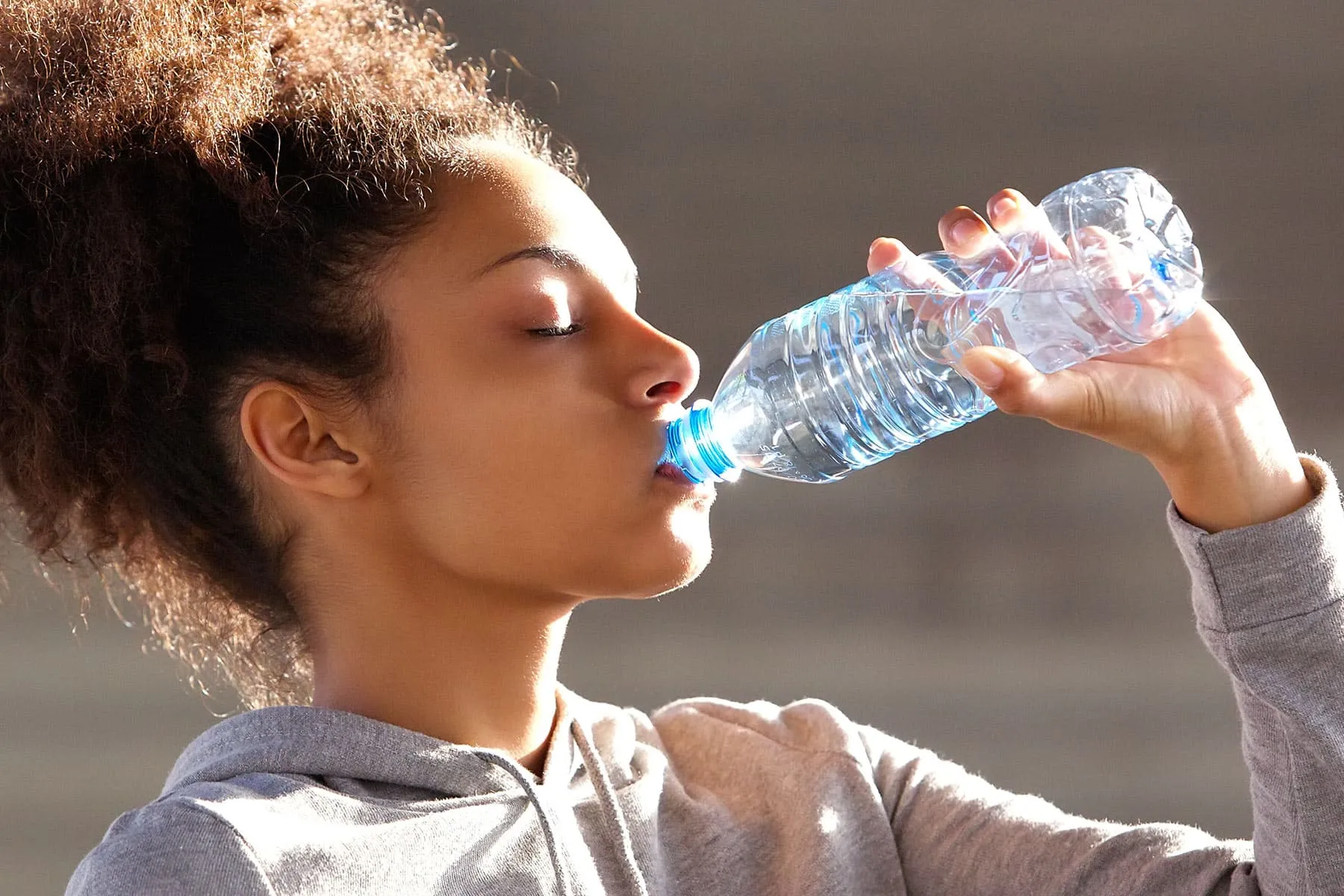
You need about 500ml of fluid, roughly two hours before you start exercising. This gives your body time to absorb the fluid and pass out any excess before you start moving, which is why chugging a bottle right before your warm-up is not the smart move.
Sports physicians recommend that individuals drink about 500ml of fluid around two hours before exercise, allowing time for proper hydration and for any extra fluid to be excreted.
In a Nigerian context, this could look like a full sachet or half a bottle of water with your pre-workout meal, whether that is oats, moi moi, or a banana and groundnut combo before you head to the gym.
Here is a simple guide for pre-workout hydration:
- Two hours before: drink about 500ml of water with your meal
- Thirty minutes before: sip another 150 to 200ml if the weather is particularly hot
- Right before you start: check your urine. Pale yellow means you are good, dark yellow means you need more fluid
How Much Water Should You Drink During a Workout?
During exercise, you should aim to replace fluids at a rate close to what you are losing through sweat, without overdoing it. This usually lands somewhere between 400ml and 800ml per hour for moderate training, but it can go higher for intense sessions in full sun.
Sports medicine experts note that during exercise, people should start drinking early and continue at regular intervals, aiming to replace fluid at a rate that matches sweat loss without exceeding what the body can tolerate.
Athletes should start drinking early and at regular intervals in an attempt to consume fluids at a rate sufficient to replace all the water lost through sweating, or consume the maximal amount that can be tolerated.
That last part matters because your stomach can only absorb so much at once. Trying to force down too much water too quickly during a workout can leave you feeling bloated and sluggish instead of refreshed.
A practical way to figure out your own sweat rate is to weigh yourself before and after a typical workout. For every kilogram you lose, you have lost roughly a litre of fluid, and that number becomes your personal hydration target for future sessions of similar intensity and duration.
Is It Possible to Drink Too Much Water During a Workout?
Yes, and it is called hyponatremia. This happens when you drink so much water that it dilutes the sodium in your blood, and it is actually more dangerous than mild dehydration in some cases.
Risk factors associated with hyponatremia include preexercise overhydration and excessive drinking of more than 1.5 litres per hour during exercise. In other words, more is not always better when it comes to hydration.
This is one reason nutritionists now encourage people to drink according to thirst and sweat loss rather than forcing down water on a rigid schedule regardless of how they feel.
If you are doing a short 30 to 45-minute gym session, plain water is usually all you need. Marathon sachet-drinking during a quick weights session at your local gym is unnecessary and can actually work against you.
What Should You Drink After a Workout for Proper Hydration?
After your workout, you should aim to drink about 150% of the fluid weight you lost, meaning if you lost 1kg of sweat, you need roughly 1.5 litres of fluid to fully rehydrate. This accounts for the fluid your body will continue to lose through urine as you rehydrate.
The recommended approach is to weigh yourself before and after exercise, then multiply the weight lost by 1.5 to calculate exactly how much fluid you need to replace, with post-exercise rehydration targeted at 150% of body mass loss during exercise.
If you skipped the weigh-in, a simple gauge works too. If your urine is still dark two hours after your workout, keep drinking.
For most Nigerians doing a standard hour-long workout, this looks like finishing off with a full 75cl bottle of water plus whatever you drank during the session itself.
Comparison Table: What Should You Actually Drink for Hydration?
| Drink | Approx. 2026 Price | Electrolyte Content | Best For |
| Sachet water | N50 per sachet, N400 to N500 per bag | None | Everyday sipping, short workouts under 45 minutes |
| Bottled water (50cl) | N200 to N300 | None | Gym sessions, pre- and post-workout hydration |
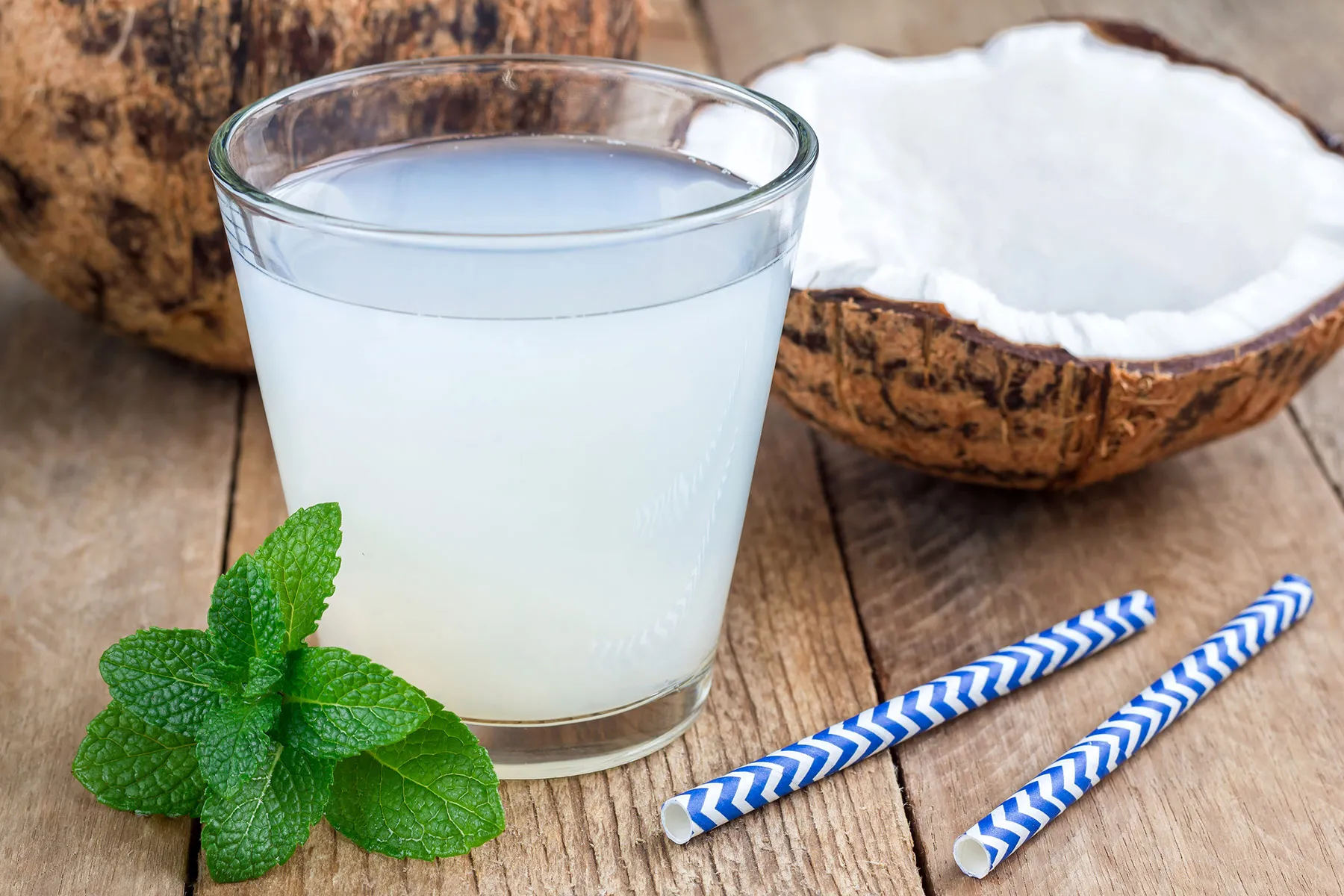
| Coconut water | N300 to N600 per fresh coconut | Naturally rich in potassium | Sessions over 60 minutes, especially outdoor training |
| Zobo (unsweetened) | Homemade, minimal cost | Some potassium, antioxidants | Recovery drink after intense sessions |
| Sports drinks (Lucozade Sport, Powerade) | N600 to N1,000 | Sodium and potassium added | Endurance training over 90 minutes, football, long runs |
For most gym-goers doing weights or a 45-minute cardio session, plain water covers your hydration needs completely. You only really need something with added electrolytes if you are training for over an hour, sweating heavily, or exercising outdoors during the hottest part of the day.
Do You Need Electrolytes for Hydration, or Is Water Enough?
Plain water is enough for most workouts under an hour. Once you cross the 90 minute mark, especially in football, long runs, or outdoor training, sodium and carbohydrate replacement becomes genuinely useful.
For endurance activities lasting longer than 90 minutes and for sports involving repeated bursts like football or tennis, nutrition guidelines recommend drinks that include both carbohydrates and sodium alongside water.
Drinks for endurance periods over 90 minutes and game sports should contain not only water but also carbohydrates, with sodium supplied when sweat rate is very high, and the activity lasts more than two hours.
This is why footballers reach for something more than sachet water at halftime. Their bodies are losing salt, not just water, and plain water alone will not replace it.
For everyday Nigerians hitting the gym three or four times a week for an hour at a time, this level of electrolyte replacement usually is not necessary. A banana or a handful of groundnuts after your session does a similar job for a fraction of the cost of imported sports drinks.
Signs You Are Not Getting Enough Hydration
Your body gives you warnings long before dehydration becomes dangerous, and learning to spot them can save your workout and your health. Watch out for these signs during your next session.
- Dark yellow urine, rather than pale yellow or clear
- Unusual fatigue that hits earlier than normal in your workout
- Dizziness or a headache creeping in mid-session
- Muscle cramps, particularly in your calves or hamstrings
- A noticeable drop in your usual strength or endurance
People blame poor performance on “not eating enough” when the real issue was that they walked into the gym already dehydrated from a hot commute in traffic. Before you change your diet, check your hydration first.
FAQs
- How much water should I drink daily as someone who works out regularly in Nigeria?
Most active adults need around 2.5 to 3.5 litres of total fluid daily, including water from food and drinks, and this increases on workout days or during particularly hot weeks. - Is sachet water safe enough for hydration during workouts?
Sachet water is fine for hydration itself, but quality varies by producer, so buy from NAFDAC-registered brands and avoid sachets that have been sitting in the sun for long periods. - Can I use Coke or Fanta to rehydrate after a workout?
No, sugary soft drinks are not designed for hydration and can actually slow fluid absorption due to their high sugar content, so stick to water, coconut water, or unsweetened zobo instead. - Does drinking cold water during a workout cause stomach upset?
For most people, cold water is absorbed just as well as room temperature water and can even help cool your core faster during hot weather training, so there is no need to avoid it.