

You don’t need imported whey protein or a personal chef to build muscle in Nigeria.
You need enough protein, enough calories, and consistency, and honestly, beans and eggs will get you there faster than any fancy supplement.
What Is a Muscle Gain Diet?
A muscle gain diet simply means eating slightly more calories than your body burns while getting enough protein to repair and build muscle tissue.
It’s not about eating everything in sight. People often think “bulking” means unlimited jollof and suya every day, but that’s how you gain fat instead of muscle.
The real formula is straightforward: calorie surplus, adequate protein, and resistance training.
Miss any one of these three, and your gains will stall. As a result, your muscle gain diet needs structure, not just volume.
How Much Protein Do You Need for a Muscle Gain Diet?
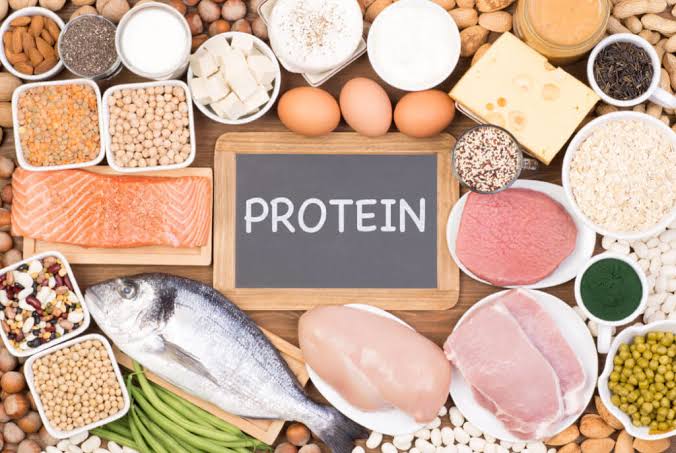
For muscle growth, aim for roughly 1.6 to 2.2 grams of protein per kilogram of body weight daily, according to a 2018 meta-analysis published in the British Journal of Sports Medicine.
So if you weigh 70kg, that’s about 112g to 154g of protein spread across your day.
This might sound like a lot, but Nigerian food actually makes it manageable. A plate of beans (200g cooked) gives you around 15g of protein. Meanwhile, three eggs add another 18g, and a generous serving of chicken or fish can easily contribute 25 to 30g more.
Because protein needs feel intimidating on paper, it’s better to think in meals, not numbers.
If each of your three main meals contains a solid protein source, you’re most likely hitting your target without obsessive counting.
What Foods Should Be in a Nigerian Muscle Gain Diet?
Your muscle gain diet doesn’t need to look like an American bodybuilder’s meal prep.
It needs to work with what’s available at your local market and what your budget allows.
Here’s what actually builds muscle on Nigerian grocery lists.
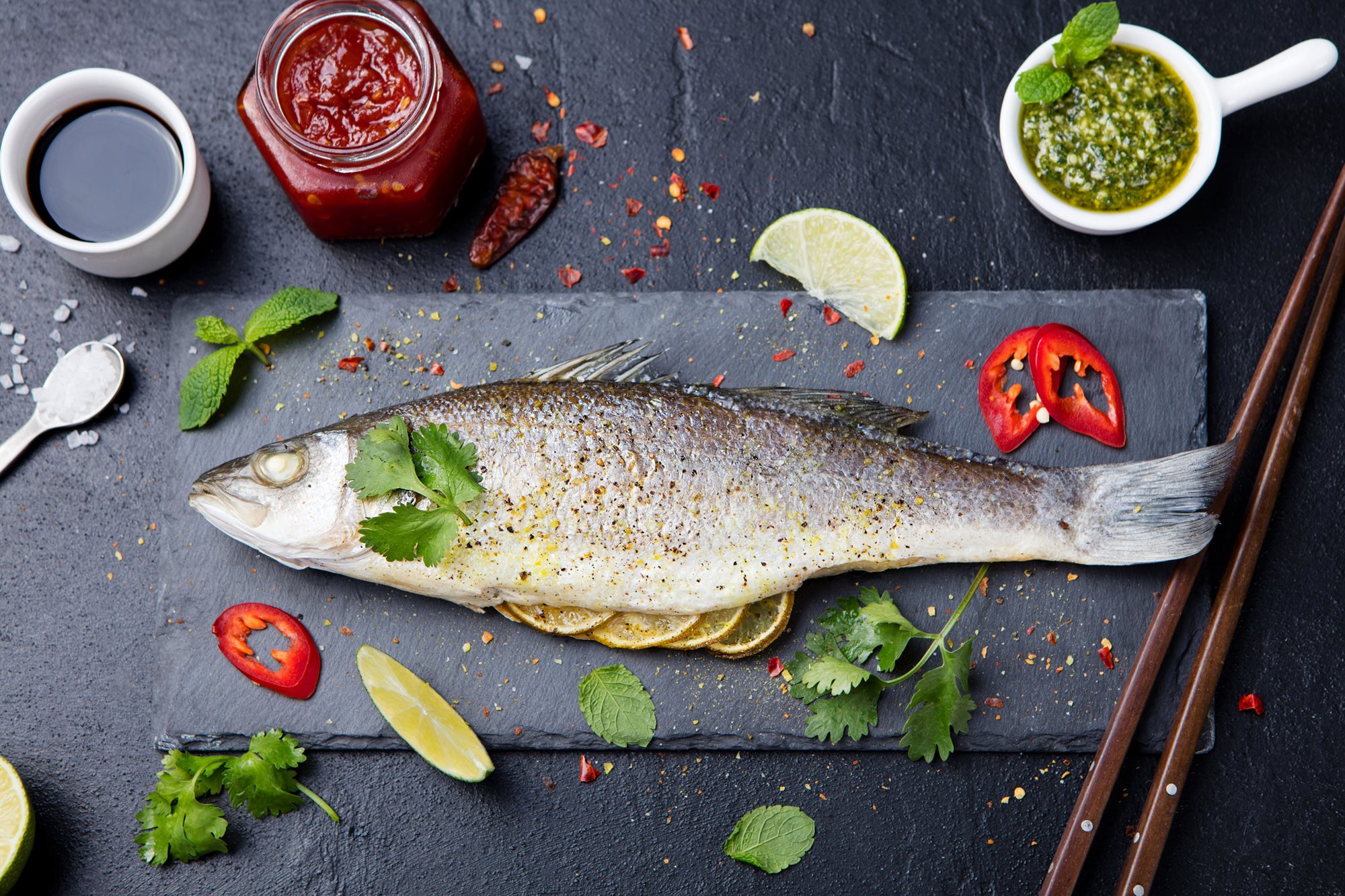
Protein sources: eggs, beans (oloyin or honey beans work well), chicken, fish (titus, mackerel, or croaker), turkey, groundnuts, and moimoi. Dairy options like milk and yoghurt also help, though many Nigerians deal with lactose sensitivity, so pay attention to how your body reacts.
Carbohydrate sources for energy: rice, yam, sweet potato, semovita, oats, plantain, and bread. These fuel your workouts and help your body use protein for repair instead of burning it for energy.
Healthy fats: groundnut oil in moderation, avocado, palm kernel, and nuts. Fats support hormone production, and testosterone plays a direct role in muscle growth, so don’t skip this category entirely.
Sample Nigerian Muscle Gain Diet Plan for One Day
Building a muscle gain diet becomes easier once you see it laid out. Below is a realistic day of eating for someone around 70kg who trains four times a week.
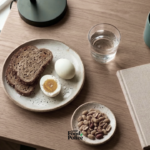
- Breakfast: Four scrambled eggs, two slices of bread, and a glass of milk
- Mid-morning snack: A handful of roasted groundnuts and one banana
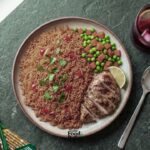
- Lunch: A generous plate of rice with beans, plus grilled chicken
- Pre-workout snack: Oats with peanut butter
- Dinner: Pounded yam with efo riro and fish
- Before bed: A cup of milk or yoghurt for slow-digesting protein overnight
This plan delivers roughly 2,800 to 3,000 calories and around 140g of protein, depending on portion sizes. Adjust based on your own weight and appetite, because everyone’s baseline is different.
Bulking Diet vs Cutting Diet: What’s the Difference?
A bulking diet focuses on a calorie surplus to support muscle growth, while a cutting diet involves a calorie deficit to lose fat while preserving muscle.
Confusing the two is one of the most common mistakes among gym beginners in Nigeria.
| Feature | Bulking Diet | Cutting Diet |
| Calorie goal | Surplus (300-500 above maintenance) | Deficit (300-500 below maintenance) |
| Main aim | Build muscle mass | Lose fat, retain muscle |
| Protein intake | 1.6-2.2g per kg bodyweight | 1.8-2.4g per kg bodyweight |
| Carb intake | Moderate to high | Lower, more controlled |
| Typical duration | 3-6 months | 8-16 weeks |
| Best for | Beginners, underweight individuals | Those with higher body fat wanting definition |
If you’re skinny and struggling to gain weight, a bulking diet is your starting point.
However, if you already carry excess fat, cutting first often makes more sense before chasing a bulk.
Do You Need Supplements for a Muscle Gain Diet?
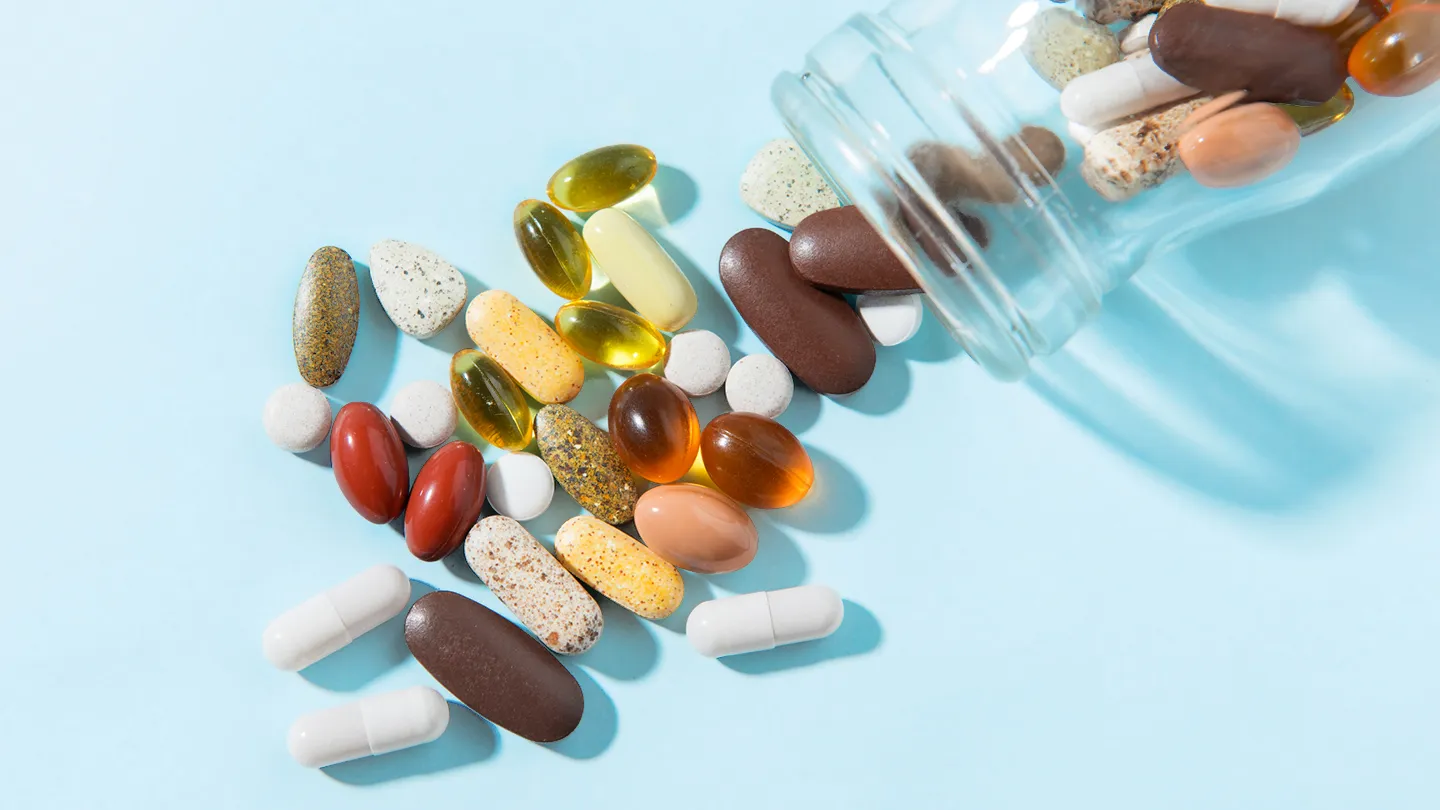
No, supplements are not required for a muscle gain diet, though they can help fill gaps when whole food isn’t accessible. Whey protein, for instance, is convenient but expensive in Nigeria.
Because of this cost, I recommend prioritising food first. A tin of milk, a crate of eggs, and a bag of beans will outperform an unregistered “gym supplement” from a roadside vendor every single time.
Always check for NAFDAC approval before buying any supplement, since counterfeit products are unfortunately common.
If budget allows and you genuinely struggle to hit your protein target through food alone, a whey protein shake can serve as a convenient top-up, not a replacement for real meals.
How Long Does It Take to See Results from a Muscle Gain Diet?
Most people notice visible changes within 8 to 12 weeks of consistent eating and training, though strength gains often show up sooner, sometimes within the first three to four weeks. Patience matters more than perfection here.
Genetics, training intensity, sleep quality, and consistency all influence your timeline. As a result, comparing your progress to someone else’s Instagram transformation rarely helps and often discourages people unnecessarily.
Instead, track your own numbers: bodyweight weekly, strength in the gym, and how your clothes fit. These three markers tell you far more than the scale alone ever could.
Common Mistakes That Sabotage a Muscle Gain Diet
Even with the best intentions, small habits can quietly derail your progress. Watch out for these frequent slip-ups.
- Eating too little, too inconsistently. Skipping meals because you’re “not hungry” undermines your calorie surplus. Set reminders if you have to.
- Ignoring hydration. Water supports every metabolic process involved in muscle repair, yet many people underestimate how much they need, especially in Nigeria’s heat.
- Relying only on protein, forgetting carbs. Carbohydrates fuel your workouts and spare protein for actual muscle repair rather than energy production. Cutting carbs too aggressively while bulking backfires.
- Sleeping too little. Growth hormone release peaks during deep sleep, so consistently getting less than 6 hours undercuts everything else you’re doing right.
FAQs
- Can I build muscle eating only rice and beans?
Yes, rice and beans together form a complete protein and can support muscle gain when eaten in sufficient quantity alongside resistance training. However, adding eggs, fish, or chicken improves nutrient variety and micronutrient intake. - How many meals should I eat daily for muscle gain?
Three to five meals daily work well for most people, though total daily calories and protein matter more than meal frequency itself. Choose a schedule that fits your lifestyle and helps you hit your targets consistently. - Is garri good for a bulking diet?
Garri can contribute useful carbohydrates and calories to a bulking diet, but it lacks significant protein on its own. Pair it with a protein source like beans, fish, or milk to make it work harder for your muscle gain goals. - Can I gain muscle without going to the gym?
Diet alone supports minimal muscle growth, since resistance training provides the actual stimulus muscles need to grow. Bodyweight exercises at home, such as push-ups, squats, and dips, can substitute for gym equipment if paired with adequate protein intake.