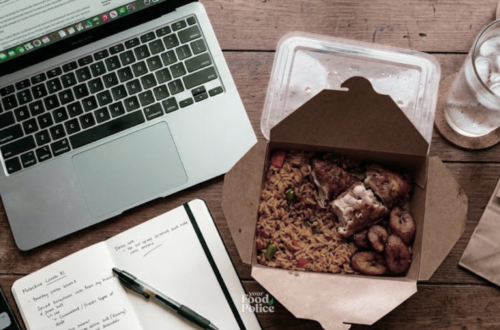

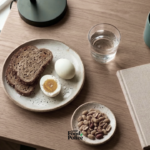
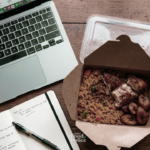


Meal prep for work in Nigeria means cooking your lunches once a week, usually on Sunday, so weekday mornings don’t turn into a scramble for cash or Chowdeck.
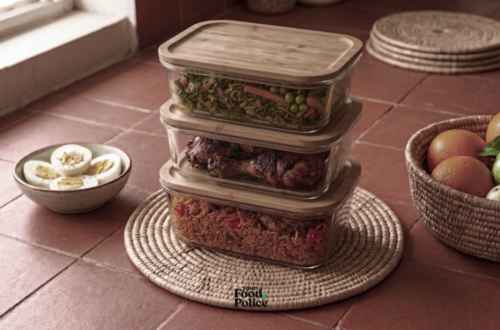
One prep session and six containers can carry a working professional from Monday to Friday without a single lunch decision left to chance.
Tired people default to whatever is closest, which usually means a buka run or a delivery app. A Sunday system removes that decision entirely.
What Is The Sunday Meal Prep System?

The Sunday meal prep system is a fixed weekly routine where you cook, portion, and store five workday lunches in one sitting, typically two to three hours on a Sunday afternoon.
Instead of cooking daily or relying on delivery, you batch-cook two or three base recipes and rotate them across the week.
This works because Nigerian staples like jollof rice, beans, and stews hold up well in the fridge and reheat cleanly. As a result, one pot of stew can carry three different lunches when paired with rice one day and yam the next.
How Do You Start Meal Prepping For Work In Nigeria?
You start by picking two proteins, one starch, and one vegetable side, then cooking all of it in a single Sunday session before portioning it into containers. From there, the system runs itself for the rest of the week.
Here’s the process I recommend to people who are new to it:
- Plan five lunches around two base meals. For example, chicken stew with rice for three days, then beans and plantain for two days. Repetition is fine. Variety within reason keeps you from getting bored.
- Shop on Saturday, not Sunday. Markets get crowded on Sundays, and prices tend to swing more when supply is tighter.
- Cook proteins first. Chicken, beef, or fish take the longest, so start them while you prep vegetables.
- Cook your starch separately from your protein. Rice, beans, and yam should be portioned fresh into containers rather than mixed with stew, since mixed dishes spoil faster.
- Cool everything before sealing the lid. Steam trapped in a closed container creates moisture, and moisture is what breeds bacteria fastest.
- Portion into five containers immediately. Don’t leave the food in one large pot and portion daily. Every time you reopen a shared pot, you introduce new bacteria.
- Label two containers “Thursday” and “Friday” and freeze them. Fridge-stored food starts losing quality after day three, so freezing your back half of the week protects both taste and safety.
Why Sunday Specifically Works Best
Sunday gives you a full day to shop, cook, and clean without competing with work deadlines. Monday prep, by contrast, usually gets rushed or skipped entirely once real life gets in the way.
What Equipment Do You Need To Start?
:max_bytes(150000):strip_icc()/sea-meal-prep-containers-muzzi-madeline-01-b7e01c1a6e1e42499935b50e98e07788.jpeg)
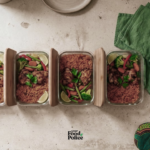
You need containers, and that’s genuinely the only non-negotiable purchase. Everything else in your kitchen already exists.
| Item | Price Range (2026) | Notes |
| Plastic meal prep container sets | ₦6,500 – ₦13,000 | BPA-free, microwave and freezer-safe, available on Jumia Nigeria |
| Glass containers with lids | ₦19,500 – ₦33,000 | More durable, better for reheating without leaching plastic, also on Jumia |
| Disposable takeout-style boxes | ₦11,000 – ₦25,000 per bulk pack | Useful if you’re prepping for a household, not just yourself |
Glass costs more upfront, but since you reheat lunch daily, it avoids the plastic-in-microwave problem entirely. If money is tight this month, a basic five-piece plastic set does the job just fine.
What Are Good Work Lunch Ideas In Nigeria?
Good work lunch ideas in Nigeria are dishes that don’t separate, dry out, or turn watery after a day or two in the fridge. Jollof rice, beans and plantain, and yam with egg sauce all fit that description well.
Here are five combinations that hold up across the week:
- Jollof rice with grilled chicken and coleslaw. The coleslaw should be added fresh each morning, not prepped with the rest, since cabbage goes soggy fast.
- Beans and plantain with fried fish. Beans actually taste better on day two once the flavours settle.
- Yam and egg sauce. Boil the yam on Sunday, then reheat daily so it doesn’t turn mushy.
- Ofada rice with ayamase stew. The pepper sauce freezes exceptionally well, so this is a strong candidate for your Thursday or Friday container.
- Moi moi with a side of fried plantain. Moi moi steams cleanly into individual portions, which makes it one of the easiest dishes to prep in bulk.
Building In Vegetables Without Losing Nutrients
Add raw vegetables like cucumber, carrot sticks, or a small salad on the morning of, rather than cooking them into the batch. This protects both texture and vitamin content, which brings us to the next question.
How Long Does Meal Prepped Food Stay Safe In The Fridge?

Most cooked Nigerian dishes stay safe in the fridge for three to four days when stored properly, and freezing extends that further. This isn’t a Nigeria-specific rule. It’s basic food science that applies wherever food is cooked and stored.
The core guideline, according to the USDA’s Food Safety and Inspection Service, is that leftovers must be refrigerated within two hours of cooking, and stored in shallow containers no more than three inches deep so the food cools evenly instead of staying warm in the centre.
That second point matters more than most people realise. A deep pot of stew cooling slowly in the fridge can stay warm in the middle for hours, which is exactly the window bacteria need to multiply.
Two rules keep you safe:
- Chill fast. Get food into the fridge within two hours of cooking, sooner if your kitchen is hot, per FDA storage guidance.
- Eat within four days, or freeze. By day four, quality and safety both start dropping, which is why your Thursday and Friday containers should go straight into the freezer on Sunday.
Is Office Meal Prep Cheaper Than Buka Food Or Chowdeck?
Office meal prep is almost always cheaper than daily buka runs or food delivery, mainly because you’re buying ingredients in bulk instead of paying for someone else’s labour, packaging, and delivery margin on every single meal.
Here’s how a five-lunch work week compares using current 2026 Naira prices:
| Method | Approximate Weekly Cost (5 lunches) | Source |
| Home meal prep | ₦8,000 – ₦12,000 | Based on 2026 staple prices: rice around ₦61,000 per 50kg bag, frozen chicken around ₦6,000/kg |
| Mama put / buka | ₦9,500 – ₦15,000+ | Plate of rice and stew averages ₦1,500–₦2,500, higher with meat add-ons |
| Chowdeck / delivery apps | Often the highest | ChowPass subscription runs ₦3,500 a month, and a 2026 consumer complaint alleges the platform marks up base food prices beyond what’s charged in-store |
The gap widens once you factor in how food spending already strains Nigerian households generally.
Nigerian households spend nearly 60% of their income on food, the highest share of any country tracked in the relevant data, which makes every naira saved on lunch genuinely count.
Delivery apps aren’t the enemy here. They’re just expensive for daily use, and Sunday prep is the cheaper habit for the five weekdays that matter most.
Does Reheating Destroy The Nutrients In Your Food?
Reheating causes some nutrient loss, mainly in water-soluble vitamins like vitamin C, but protein, fibre, iron, and minerals stay largely intact through both storage and reheating.
So your meal prep isn’t nutritionally worthless by Thursday, it’s just slightly lower in one specific vitamin category than it was fresh.
Boiling or steaming vegetables can cause a 95 to 99 percent reduction in vitamin C content, regardless of how the food is stored afterwards.
That loss happens mostly at the first cooking stage, not during the reheat. In other words, your ugu or spinach loses most of its vitamin C the moment it hits the pot, whether you eat it that night or on Wednesday.
To protect what’s left, add fresh vegetables like cucumber, tomato, or raw cabbage on the morning of, rather than cooking everything into the batch.
FAQs
- Can I meal prep for all 5 workdays in one Sunday session?
Yes, but freeze your Thursday and Friday portions instead of leaving them in the fridge. Cooked food is generally safest within three to four days of refrigeration, so freezing the back half of the week protects both taste and safety. - What’s the healthiest lunch to prep for the office in Nigeria?
Beans and plantain with a lean protein like grilled chicken or fish tends to hold up best nutritionally and physically across several days. Add raw vegetables fresh each morning rather than cooking them into the batch. - How do I stop my jollof rice from spoiling fast?
Cool the rice completely before sealing it, store it in a shallow container rather than a deep pot, and refrigerate it within two hours of cooking. Reheat only the portion you’re eating, since repeated reheating speeds up spoilage. - Is meal prep actually cheaper than Chowdeck?
Generally yes, since you’re buying ingredients at market prices instead of paying delivery fees, service charges, and a platform markup on every order. A week of home-prepped lunches typically costs less than five days of delivery, especially once subscription fees are added in.