







Simple answer? No, sugar does not directly cause diabetes. Type 2 diabetes develops when your body’s cells stop responding properly to insulin, and while eating too much sugar can drive the weight gain and insulin resistance that lead to it, sugar isn’t the single cause behind every case.
These are the questions that get asked most after someone’s HbA1c test comes back high.
They assume the extra sugar in their tea did it single-handedly, and while sugar plays a part, the full picture is more layered than that.
Does Eating Sugar Directly Cause Diabetes?
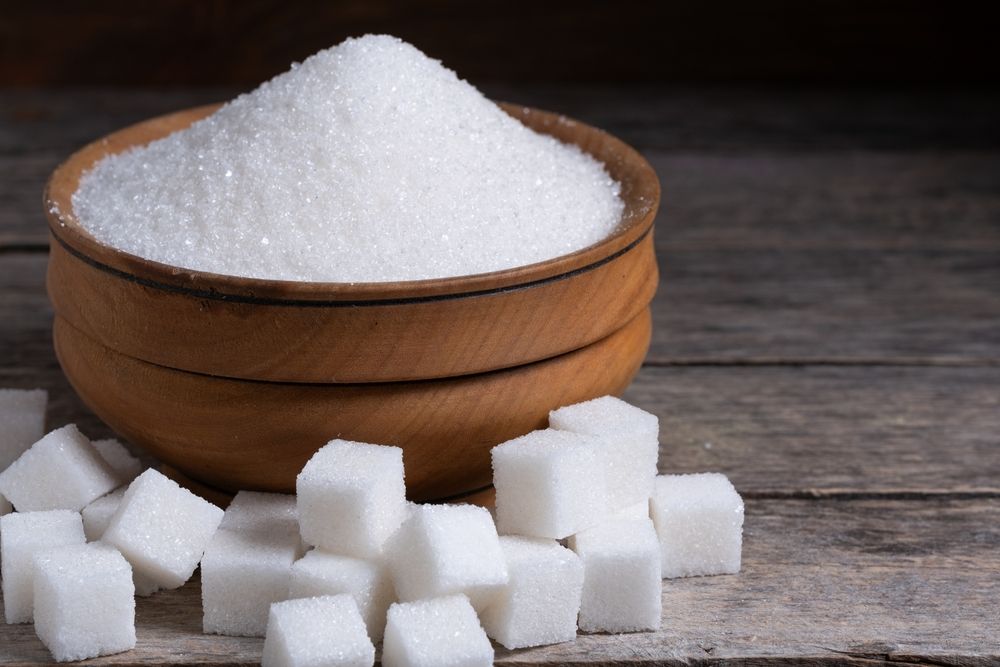
No, eating sugar does not directly cause diabetes on its own.
What sugar does is add extra calories that, over time, can lead to weight gain, and excess body fat is one of the biggest drivers of insulin resistance, the condition that sits underneath most type 2 diabetes cases.
A bottle of Coke or a cup of tea loaded with three spoons of sugar won’t spike your diabetes risk by itself. However, if that habit repeats daily for years alongside a mostly sedentary lifestyle, the extra calories add up, and that’s where the damage happens.
So What’s the Actual Mechanism?
When you eat sugar, your pancreas releases insulin to move that sugar out of your blood and into your cells for energy.
Over time, if your cells are constantly flooded with sugar and insulin, they can start to ignore insulin’s signal, a state doctors call insulin resistance.
Researchers have paid particular attention to fructose, the type of sugar found in sweetened drinks and many processed snacks.
The unregulated way fructose gets processed by the liver appears to drive both liver and whole-body insulin resistance, which is one reason sugary drinks get singled out more than sugar in general.
How Much Sugar Is Safe to Eat per Day?

The World Health Organisation recommends keeping added sugar under 10 percent of your daily calories, with extra benefits if you stay under 5 percent. For an average adult, that works out to roughly 25 to 50 grams of sugar a day, or about 6 to 10 teaspoons.
That number disappears fast in a Nigerian diet.
A single bottle of Coke already contains close to 40 grams of sugar, which means one soft drink can use up your entire daily allowance before you’ve even touched your zobo or your evening garri.
Which Nigerian Foods and Drinks Are Highest in Hidden Sugar?
| Food/drink | Typical serving | Approx. sugar content |
| Soft drink (Coke, Fanta) | 50cl bottle | 35-40g |
| Sweetened zobo | 1 cup (250ml) | 15-25g |
| Chapman | 1 glass | 20-30g |
| Sugarcane (chewed) | 1 stick | 10-15g |
| Honey | 1 tablespoon | 17g |
Sugar estimates vary by brand, vendor, and preparation, so treat this as a guide rather than a fixed reference.
Is Type 1 Diabetes Caused by Sugar?
No, sugar does not cause Type 1 diabetes. Type 1 diabetes is an autoimmune condition where the body’s immune system attacks the cells in the pancreas that produce insulin, and diet has nothing to do with triggering it.
Type 2 diabetes is the one where sugar and lifestyle factors matter, and it accounts for the vast majority of diabetes cases both globally and in Nigeria. Confusing the two often leads people to blame themselves unfairly for a condition they had no control over.
How Common Is Diabetes in Nigeria?
Diabetes affects a growing number of Nigerians every year, and the numbers are already significant. The Diabetes Association of Nigeria estimates that about six million Nigerians are currently living with diabetes, while another 8.2 million are at risk of developing it.
What makes this more concerning is how many cases go undiagnosed. Across the wider African region, a large share of adults with diabetes don’t even know they have it, which is exactly why regular blood sugar checks matter, especially if diabetes runs in your family or you carry extra weight around your waist.
Why Does This Matter for Busy Professionals and Students?
Long office hours often mean quick meals grabbed on Chowdeck, and student life often means instant noodles and sugary drinks between lectures. Neither habit causes diabetes overnight, but stacked together over years, they raise your risk quietly, without any obvious warning sign until a routine test flags it.
How Can You Cut Down on Sugar Without Feeling Deprived?
You can lower your sugar intake gradually, without cutting out every sweet thing you enjoy. Here’s a practical approach that sticks:
- Swap one sugary drink a day for water or unsweetened zobo. This single change can remove 30 to 40 grams of sugar without much effort.
- Check labels on packaged snacks and drinks. Many “healthy” options, like flavoured yoghurt or juice drinks, carry more sugar than a bottle of soft drink.
- Add protein or fibre to your meals. Beans, moimoi, and vegetables slow down how fast sugar hits your bloodstream, which keeps insulin spikes smaller.
- Reduce sugar in tea and pap gradually. Cutting from three spoons to two, then eventually one, retrains your taste buds over a few weeks.
- Save dessert and soft drinks for occasions, not a daily habit. Enjoying puff-puff at a party is different from having it every evening after work.
FAQs
- Can I get diabetes just from eating too many sweets?
Eating sweets occasionally won’t give you diabetes on its own. However, a long-term pattern of high sugar intake combined with weight gain and low activity significantly raises your risk of developing type 2 diabetes over time.
- Does natural sugar in fruit cause diabetes the same way added sugar does?
No, natural sugar in whole fruit behaves differently in your body because it comes packaged with fibre, which slows down absorption. Added sugar in drinks and snacks hits your bloodstream much faster and in larger amounts.
- Is brown sugar or honey better than white sugar for diabetes risk?
Brown sugar and honey affect your blood sugar almost the same way white sugar does, since they’re still mostly made of sugar. They may offer small trace nutrients, but they shouldn’t be treated as a “safe” swap if you’re managing your sugar intake.
- Can someone with diabetes eat sugar at all?
Yes, people with diabetes can eat sugar in small, controlled amounts as part of a balanced meal plan. Complete avoidance usually isn’t necessary, but portion size and timing matter far more than they do for someone without diabetes.