






Managing your weight comes down to two things working together: what you eat and how much you move. Get your plate right, add regular exercise, and your weight will follow.
That sounds simple, yet most weight advice online is either too foreign to apply in Nigeria or too vague to act on. Below are 10 weight management tips built around Nigerian food, Nigerian prices, and Nigerian routines.
Why Does Weight Management Feel So Hard in Nigeria?
Weight gain sneaks up because our food culture rewards big portions and our cities discourage walking. A plate of jollof rice with turkey at a party, a bottle of Coke with lunch, and a keke ride instead of a ten-minute walk all add up. None of these choices is bad on its own. However, when they repeat daily, they push you into a calorie surplus without you noticing.
Tip 1: Fix Your Plate Portions Before You Eat
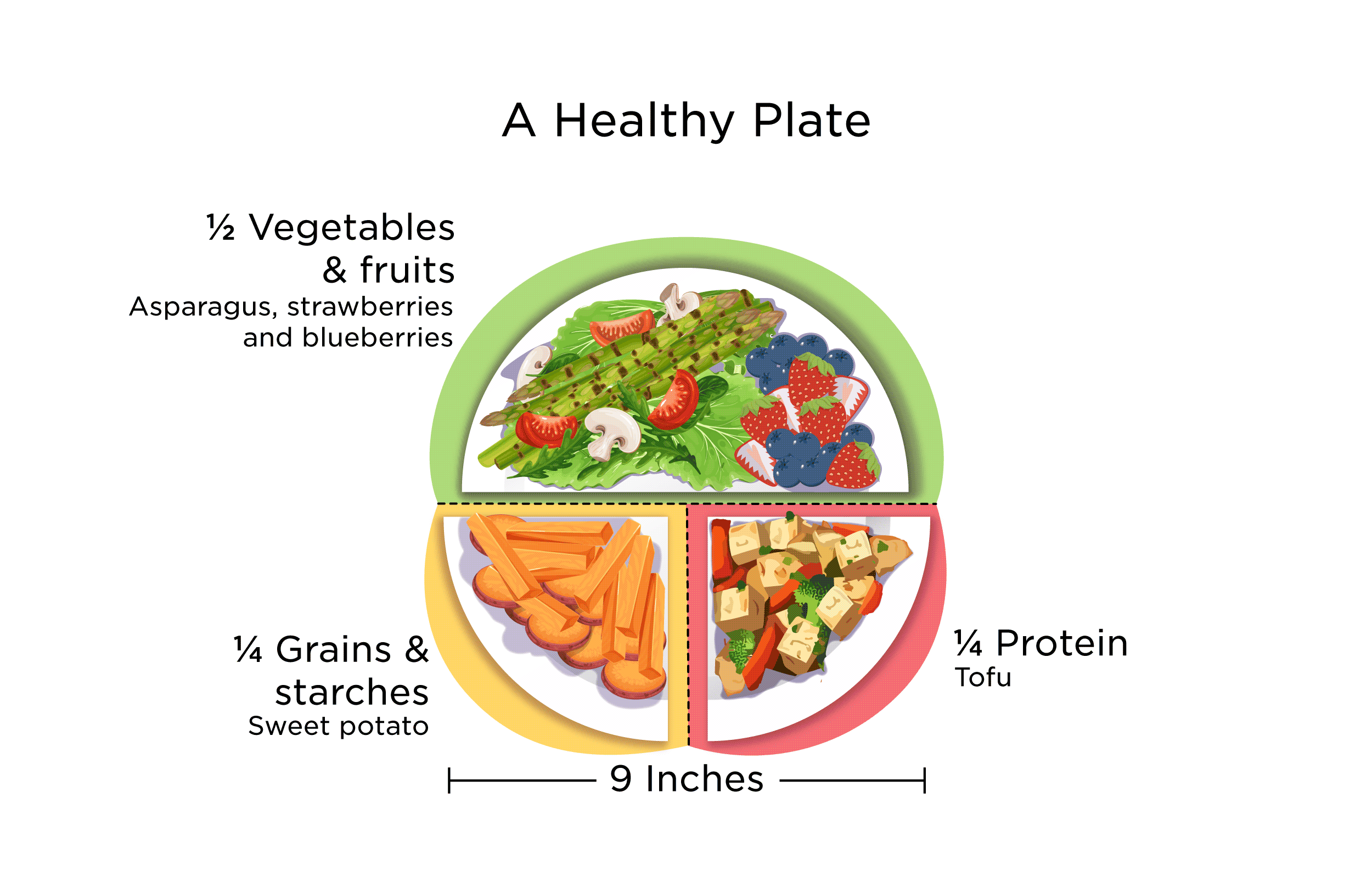
Portion control beats food restriction every time. Instead of banning rice, garri, or amala, simply adjust how much lands on your plate.
A useful trick is the half-quarter-quarter method. Fill half your plate with vegetables like ugu, efo riro greens, or a side salad. Fill one quarter with your protein, such as fish, chicken, or beans. Fill the last quarter with your carbohydrate, whether that’s rice, semo, or yam.
This method works at home, in a buka, and even when you order from Chowdeck. Ask for extra vegetables and a smaller swallow portion, and most restaurants will happily oblige.
Tip 2: Load Up on Protein at Every Meal
Protein keeps you full longer than rice or bread alone, and that fullness is what actually protects your weight. Research published in the British Journal of Nutrition found that higher protein intake increases satiety and supports fat loss because it slows digestion and steadies blood sugar. In practice, this means a spoon of beans, an egg, or a piece of fish with every meal will curb the hunger that usually drives snacking two hours later.
Good, affordable Nigerian protein sources include:
- Boiled eggs (around ₦150 to ₦200 each in most markets)
- Beans and moin moin
- Titus or mackerel fish
- Chicken laps from a local market
- Soya milk or tofu (awara)
Aim to include one of these at breakfast, not just lunch and dinner. Skipping protein in the morning is one of the biggest reasons people overeat by evening.
Tip 3: Cut Down Sugary Drinks and Snacking

Liquid calories from soft drinks, malt, and sweetened zobo add up fast, and they rarely make you feel full. A single 50cl bottle of a popular soft drink can carry over 200 calories, essentially the same as a small plate of food, minus any nutritional benefit.
Try these swaps instead:
- Replace soft drinks with chilled zobo made without excess sugar
- Choose water or unsweetened tea between meals
- Save sugary drinks for weekends or special occasions, not daily lunch
If you want to understand why these drinks are under so much scrutiny lately, our breakdown of Nigeria’s sugar tax and what it means for your favourite drinks explains the policy and the health reasoning behind it.
Tip 4: Move Your Body for at Least 150 Minutes a Week
Exercise is the other half of the equation that food alone can’t replace. The World Health
Organisation recommends that adults get at least 150 minutes of moderate activity a week, which works out to roughly 20 to 30 minutes a day. That target is realistic even with a Lagos or Abuja work schedule.
You don’t need a gym membership to hit it. A brisk walk around your estate, dancing to Afrobeats for 20 minutes, or taking the stairs instead of the lift all count. As a result, the goal isn’t intensity, it’s consistency.
Tip 5: Drink Water Before You Eat
Thirst often disguises itself as hunger, and a glass of water 15 to 20 minutes before meals helps you eat less without trying. In my practice, this is one of the simplest changes clients report noticing results from within a week.
Here’s a quick way to build the habit:
- Keep a bottle of water on your desk or bedside
- Drink one full glass as soon as you wake up
- Drink a glass before each main meal, especially lunch
- Carry a small bottle when you’re out, so buying a soft drink isn’t your only option
Tip 6: Rebalance Your Swallow Portions, Don’t Eliminate Them
:max_bytes(150000):strip_icc()/20220425-Eba-Maureen-Celestine-16-Step3-1-8cbf0f408804485e9a14a158a32b06c3.JPG)
You do not need to give up eba, fufu, or pounded yam to manage your weight. What matters is the size of the portion relative to your protein and vegetables.
A standard wrap of eba weighing around 200g contains roughly 380 to 400 calories, similar to a cup of white rice. Halving that portion and adding an extra piece of fish or a bigger scoop of vegetable soup keeps you satisfied while trimming calories, without making the meal feel like punishment.
Tip 7: Meal Prep on a Realistic Budget
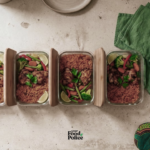
Meal prepping saves money and keeps you from making impulsive food choices when you’re hungry and tired after work. For students or workers on a tight budget, this is often the difference between eating well and eating whatever is closest.
A simple weekday prep plan might include a big pot of beans, a tray of grilled or baked chicken, and chopped vegetables that get combined differently each day. For a full walkthrough on stretching this further, see our guide to planning a healthy week of meals on a ₦10,000 budget.
Tip 8: Protect Your Sleep
Poor sleep raises the hunger hormone ghrelin and lowers leptin, the hormone that tells your brain you’re full. In other words, a few nights of five-hour sleep can leave you hungrier the next day, even if you haven’t burned more energy.
Aim for seven to eight hours where possible. If your schedule genuinely doesn’t allow that, a short 20-minute nap can partly offset the hormonal effect, though it isn’t a full substitute for proper rest.
Tip 9: Track What You Eat, Even Loosely
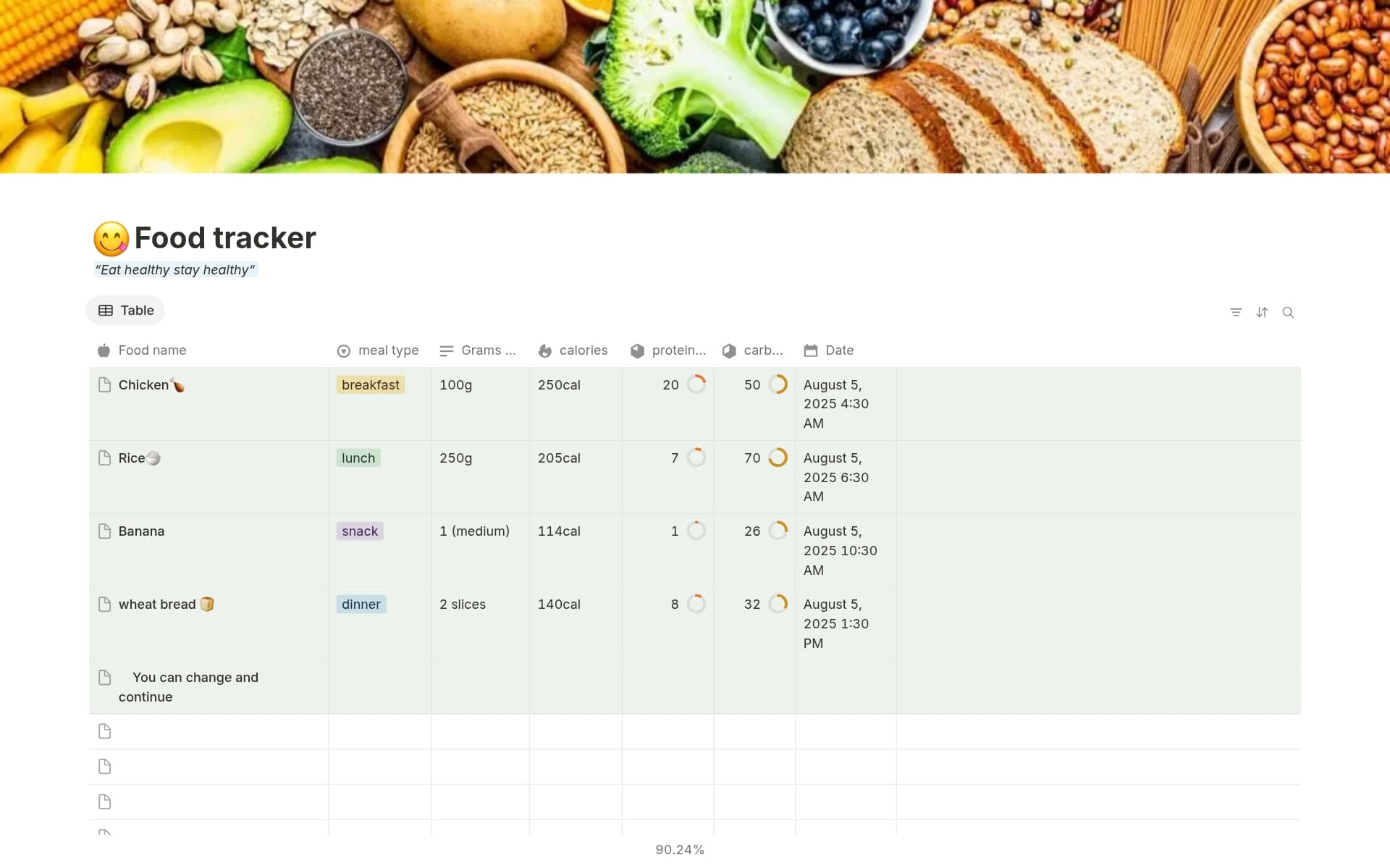
You don’t need to weigh every spoonful of jollof rice to benefit from tracking. Simply writing down your meals for a week, or snapping a photo before you eat, reveals patterns you’d otherwise miss, like the extra bread you grab at 4 pm or the second bottle of Coke on Fridays.
Free apps work fine for this, and so does a plain notebook. The goal is awareness, not obsession. Once you see the pattern, adjusting it becomes much easier.
Tip 10: Add Strength Training, Not Just Cardio
Cardio burns calories while you’re doing it, but strength training builds muscle that keeps burning calories even at rest. This is why two people who exercise the same number of minutes a week can see different results depending on what type of exercise they choose.
You don’t need weights to start. Bodyweight moves like squats, push ups, and planks, done two to three times a week, are enough to build meaningful strength. If you’re also trying to gain muscle affordably, our piece on muscle gain on a Nigerian food budget breaks down protein targets and cheap local options.
How Many Calories Does Nigerian Daily Activity Actually Burn?
Not all movement is equal, and knowing the rough numbers helps you plan your week realistically.
| Activity | Calories burned (30 mins, moderate pace) | Typical cost | Where to do it |
| Brisk walking | 120 to 150 | Free | Estate roads, parks |
| Afrobeats dancing | 180 to 220 | Free | Living room, dance class |
| Football (recreational) | 250 to 300 | Free to ₦2,000 for a pitch | Local field, school pitch |
| Skipping rope | 250 to 300 | ₦500 to ₦1,500 for a rope | Backyard, balcony |
| Cycling | 200 to 250 | ₦20,000+ for a bike, or rentals | Estate, dedicated bike paths |
| Gym strength training | 150 to 200 | ₦5,000 to ₦20,000 monthly | Local gym |
FAQs
- How fast can I lose weight safely in Nigeria?
A safe, sustainable pace is about 0.5kg to 1kg per week, achieved through a moderate calorie deficit and regular exercise. Faster loss usually means muscle loss or an unsustainable diet you’ll abandon within weeks.
- Does garri make you fat?
No single food makes you fat on its own. Garri becomes a problem for your weight only when your total daily calorie intake consistently exceeds what your body uses.
- Can I manage my weight without going to the gym?
Yes. Walking, dancing, bodyweight exercises, and portion control at home can manage your weight effectively, especially when paired with consistent sleep and protein intake.
- Is skipping meals a good weight management strategy?
Skipping meals often backfires because it leads to overeating later in the day. Eating regular, protein-rich meals tends to control hunger and support weight management better than skipping.