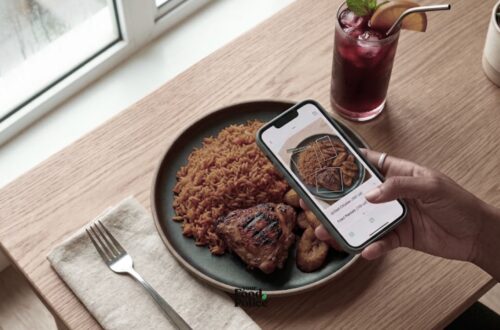





Four popular AI calorie-tracking apps underestimate meals by 250 to 345 calories on average, according to new research from the U.S. National Institutes of Health.
That gap is roughly the calorie equivalent of a full tablespoon of groundnut oil and two slices of agege bread – enough to quietly undo a calorie deficit you thought you had.
The findings were presented at NUTRITION 2026, the annual meeting of the American Society for Nutrition, held July 25–28 in National Harbor, Maryland.
How Were These Apps Actually Tested?
Most accuracy claims about nutrition apps come from the companies themselves. This study did something different.
Researchers at the NIH Clinical Center were already running a controlled diet trial comparing low-carb ketogenic meals with standard meals.
Every dish in the trial was prepared in a metabolic kitchen where ingredients are weighed to the nearest 0.1 gram. That precision gave the team something rare: a set of meals where the exact calorie count was already known.
They photographed 102 of these meals and submitted the images to four apps – MyFitnessPal, LoseIt!, CalAI, and Appediet. Then they compared what the apps estimated against what was actually on the plate.
“This kind of direct, high-quality comparison hasn’t been available before,” said Aaron Hengist, a postdoctoral fellow with the NIH’s National Institute of Diabetes and Digestive and Kidney Diseases (NIDDK).
Where Did the Apps Get It Wrong?
Fat was the biggest blind spot.
Across all four apps, fat content was underestimated by roughly 30 grams per meal. That alone accounts for about 270 missing calories, since fat carries 9 calories per gram.
Carbohydrate estimates were more consistent across the board.
However, MyFitnessPal and LoseIt! performed better on high-calorie meals than on smaller ones.
So if you’re tracking a light lunch of boiled yam and egg sauce, the error margin could be proportionally worse.
In a second round of testing with over 200 additional meals, the researchers found that keto-style meals gave the apps the most trouble. These meals tend to be higher in fat, and since fat is already the nutrient the apps struggle with most, the errors stacked up.
Why This Matters if You’re Calorie Tracking in Nigeria
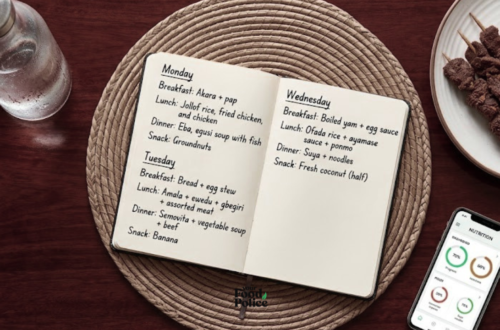
AI calorie trackers have grown popular among health-conscious Nigerians, particularly those in fitness communities or using apps alongside gym routines.
But here’s the problem most users don’t think about: these apps were trained primarily on Western meals.
A plate of jollof rice with fried plantain and peppered chicken doesn’t look like a grilled salmon fillet with roasted vegetables.
Nigerian meals often involve oil-heavy stews, fried components, and layered dishes where the fat is cooked into the food rather than sitting visibly on top.
If these apps already underestimate fat in carefully plated Western meals under studio lighting, imagine what happens when you snap a picture of your amala and gbegiri in a dim office canteen.
On top of that, portion sizes at most bukas and mama put spots aren’t standardised.
The mound of rice you get depends on who’s serving and how they’re feeling that day. An app looking at a photo has no reliable way to judge depth or density, especially with stews and soups pooled around swallow.
Your Food Police Take
I’ll be honest – this study confirmed what I’ve suspected for a while. Photo-based calorie tracking is convenient, but convenience and accuracy are not the same thing.
A 345-calorie gap per meal across three meals is over 1,000 calories a day.
For someone eating at a planned deficit of, say, 500 calories, that doesn’t just slow progress. It erases the deficit entirely and puts you in a surplus without knowing it.
Then you wonder why the scale isn’t moving despite “tracking everything.”
That said, I’m not telling you to delete your app.
These tools still have value as a general awareness tool, helping you notice patterns like how often you eat fried food or how little protein you’re getting.
But if you’re relying on a photo alone without adjusting portions or manually entering quantities, you’re working with a rough sketch, not a blueprint.
As a nutritionist, my advice is simple: use the app as a starting point, not a final answer.
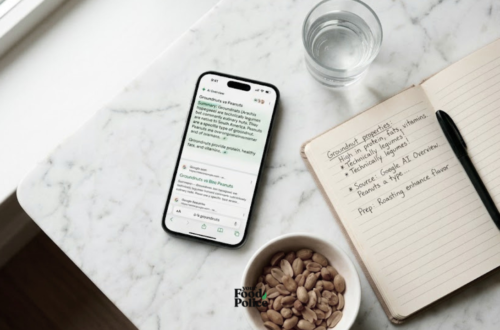
Weigh your food when you can, especially calorie-dense ingredients like oil, garri, and groundnuts. And if the app says your ewa agoyin with fried plantain and agege bread is only 400 calories, respectfully disagree.
What Would Actually Make These Apps Useful?
The researchers behind this study suggested combining photo-based tracking with traditional food-logging methods for better accuracy. That’s reasonable.
But for Nigerian users specifically, what would really help is an app trained on local meals with local portion data.
Until that exists, treat your calorie app the way you’d treat a market trader’s first price – a starting figure, not the final number. Adjust accordingly.