




No, Indomie is not inherently bad for you when eaten occasionally, but it is highly processed, low in fiber and protein, and loaded with sodium, so it should not carry your daily nutrition on its own.
Let’s go through the actual ingredients, what the additives really do in your body, and how to fix the nutrition gaps without giving up the pack
What’s in a Pack of Indomie Noodles?

A standard 70g pack of Indomie has two parts: the noodle block and the seasoning sachets.
The noodle block is mostly wheat flour and palm oil, while the seasoning powder carries most of the sodium and flavour compounds.
- The Noodle Block
According to product labels listed by retailers, the noodle block contains wheat flour, vegetable oil (usually refined palm oil with the antioxidant TBHQ), iodised salt, a humectant, acidity regulators, a thickener, and a colouring agent. These are standard additives used across the instant noodle industry, from Golden Penny to imported brands sold in the market.
- The Seasoning Powder
The seasoning sachet is where the flavour, and most of the sodium, comes from. It typically lists iodised salt, flavour enhancers including monosodium glutamate (MSG), sugar, yeast extract, soy powder, and spices like garlic and ginger powder. This is the part that turns plain boiled noodles into something you want to eat after a long day in Lagos traffic.
Is MSG in Indomie Dangerous?
No, MSG is not dangerous at the amounts found in a pack of noodles. The FDA classifies MSG as “generally recognised as safe,” and decades of research have failed to consistently link it to the headaches and palpitations some people report.
The FDA notes that a typical serving with added MSG contains under 0.5 grams, while symptoms in sensitive people only showed up after consuming 3 grams or more on an empty stomach.
In other words, your average pack of noodles is nowhere close to a dose that triggers reactions in studies. If you personally notice flushing or headaches after eating noodles, that is worth paying attention to, but it is not evidence that MSG is universally harmful.
How Much Sodium Is in One Pack, and Does It Matter?
Sodium is the real issue, not MSG. Depending on the flavour, a single 70g pack of Indomie carries somewhere between 850mg and 1,140mg of sodium, according to nutrition databases that track the product.
The World Health Organisation recommends adults stay under 2,000mg of sodium a day, which means one pack alone can eat up nearly half or more of your entire daily allowance.
NAFDAC’s Director of Food Safety and Applied Nutrition has stated that the average Nigerian already consumes around 10 grams of salt a day, nearly double the WHO recommendation, largely because of processed and pre-packaged foods. NAFDAC is currently working on new regulations to cap sodium in packaged foods for exactly this reason.
What Is TBHQ, and Should You Worry About It?
TBHQ is not something to panic about at normal food levels, but it is worth knowing what it does. TBHQ (tertiary-butylhydroquinone) is a preservative added to the palm oil in the noodle block to stop it from going rancid on the shelf.
The European Food Safety Authority set an acceptable daily intake of 0.7mg per kilogram of body weight, a figure confirmed by the Joint FAO/WHO Expert Committee on Food Additives.
For an adult weighing around 65kg, that works out to roughly 45mg a day, far more than what you’d get from your noodles.
However, because TBHQ shows up in many processed snacks, chips, and fried foods too, the real risk comes from eating a diet built almost entirely around packaged food, not from one pack of noodles.
Does Eating Indomie Cause Cancer or Organ Damage?
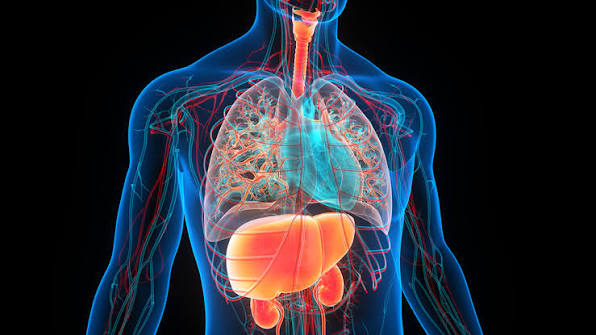
No, there is no credible evidence that eating Indomie causes cancer or organ damage in normal amounts.
This rumour tends to spread on social media without any study attached to it, and it’s usually mixed up with unrelated scare stories about wax coating or plastic in noodles, which are not supported by any Nigerian or international food safety data.
What the research does support is a different, less dramatic concern: eating instant noodles very frequently, alongside an already low-fiber, low-vegetable diet, is linked to poorer metabolic health over time.
Does Frequent Noodle Eating Raise Your Risk of Heart Disease or Weight Gain?
Yes, frequent instant noodle consumption has been linked to higher cardiometabolic risk in research, particularly in women.
A widely cited South Korean study published in the Journal of Nutrition and summarised by Harvard’s T.H. Chan School of Public Health found that women who ate instant noodles two or more times a week had a significantly higher likelihood of developing metabolic syndrome compared to those who ate them less often.
Interestingly, the same association did not hold for men in that study, which the researchers linked to differences in hormones and overall dietary patterns between the sexes.
This means the danger sits in frequency and what you pair it with, not in the noodles existing at all.
How Can You Make Your Indomie Healthier at Home?

You can meaningfully improve a pack of Indomie in under ten minutes without losing the taste you love. Here’s how I’d do it in my own kitchen.
- Use only half the seasoning sachet. This alone cuts a big chunk of the sodium while barely changing the flavour.
- Add one egg per pack. This boosts protein from under 10g to closer to 16g, which keeps you fuller for longer and slows down the blood sugar spike from the refined noodles.
- Throw in vegetables you already have. Diced carrots, cabbage, ugu, or green beans add fiber and micronutrients like vitamin A and potassium that the noodle block does not provide on its own.
- Pair it with a protein side. Grilled chicken, beef or eggs turns a snack-sized meal into something that can hold you until your next meal.
FAQs
- Is it bad to eat Indomie every day?
Eating it daily is not advisable because of the sodium and low fiber and protein content over time. Two to three times a week, with added protein and vegetables, is a more balanced approach for most healthy adults. - Does Indomie make you fat?
Indomie itself does not directly cause weight gain, but its calorie density combined with low fiber can make it easy to overeat or pair it with other high-calorie sides without noticing. Weight gain ultimately comes down to a sustained calorie surplus, not one specific food. - Is Indomie safe for children?
Indomie is not toxic for children, but its high sodium content makes it unsuitable as a regular meal for young kids, whose sodium tolerance is lower than an adult’s. Occasional servings with added protein and vegetables are a reasonable compromise. - Why does Indomie taste so addictive?
The combination of salt, MSG, and fat in the seasoning sachets is specifically engineered to hit what food scientists call the umami and “moreish” flavour profile. This is common across the entire instant noodle industry, not unique to Indomie.