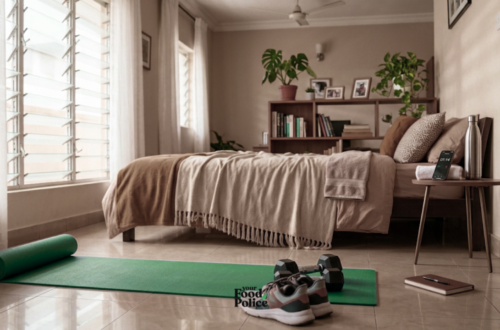





You don’t need to love exercise to start moving. You only need a routine small enough that skipping it feels more awkward than doing it. Ten minutes a day, done consistently, beats a two-hour gym plan you abandon by week two.
Why Nigerians Give Up on Exercise So Fast
Most people quit because the starting point was too big. A person who hasn’t moved in months shouldn’t jump into an hour-long workout video, yet that’s exactly what motivation videos push people toward.
Traffic makes it worse. By the time you’ve spent two hours in traffic, the last thing on your mind is a jog.
Add the heat, the cost of gym memberships, and the shame some people feel showing up “unfit” in public, and it’s no surprise so many Nigerians associate exercise with failure rather than progress.
According to the World Health Organisation, adults should aim for at least 150 minutes of moderate activity a week. That number sounds intimidating on paper. Broken into small daily chunks, though, it’s something most people can actually fit in.
Do You Need a Gym Membership to Get Fit?
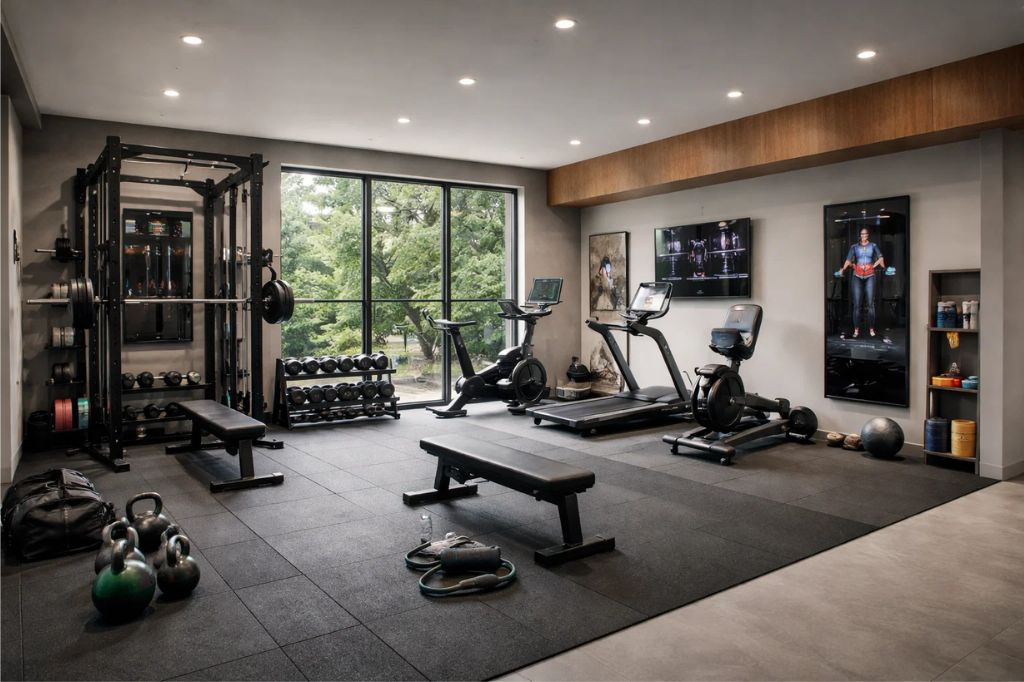
No. A gym membership can help, but it isn’t required to build a consistent exercise habit. Body weight training, brisk walking, and home routines can produce real fitness gains without a single naira spent on equipment.
The table below compares three common starting options for Nigerians in 2026.
| Option | Typical Monthly Cost | Equipment Needed | Best For |
| Home bodyweight workouts | ₦0 | None | Beginners, tight budgets, busy schedules |
| Fitness app subscription | ₦2,000–₦6,000 | Phone or smart TV | People who want structure and guided videos |
| Gym membership (mid-range) | ₦15,000–₦35,000 | Gym access | People who want equipment variety and a gym environment |
If cost or shyness has kept you from starting, this table should settle it. Your living room floor is a good enough gym.
Walking Still Counts
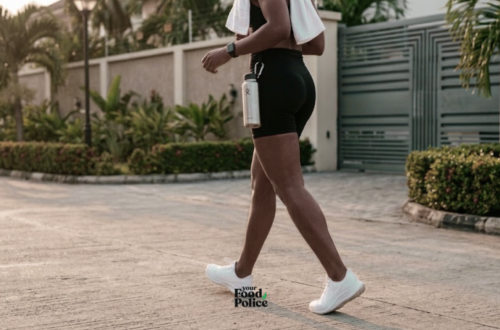
A brisk 20-minute walk to the bus stop, market, or church counts as exercise. Don’t discount movement just because it doesn’t look like a workout video. Consistency matters more than intensity when you’re building the habit.
The 10-Minute Rule
Behavioural scientists call this the “tiny habits” approach, starting with a version of the habit so small it feels almost silly not to do it.
Instead of committing to 45 minutes of exercise, commit to 10. As a result, you remove the biggest reason people quit: the plan feeling too heavy to sustain.
Once ten minutes becomes automatic, your body and schedule will naturally push you toward more. Meanwhile, you’ll have already built the one thing that actually determines long-term fitness success: the habit of showing up.
A Step-by-Step Starter Plan for Your First Two Weeks

Follow this sequence for your first fourteen days. Each step builds on the one before it, so resist the urge to skip ahead.
- Days 1-3: Walk for 10 minutes after any one meal. Pick the same time daily so it becomes automatic.
- Days 4-6: Add 5 minutes of body weight movement, squats, wall push-ups, or marching in place.
- Days 7-9: Extend your walk to 15–20 minutes. Keep the body weight movement unchanged.
- Days 10-12: Introduce one new exercise, such as lunges or plank holds, for 2–3 minutes.
- Days 13-14: Combine everything into a single 20–25 minute session and notice how much easier it feels compared to day one.
By the end of two weeks, you won’t be “fit” in the dramatic sense. However, you’ll have proof that you can stick to something, which matters more for long-term success than any single workout.
Home Workouts That Need Zero Equipment
You don’t need dumbbells to build strength. Household items and your own body weight can do most of the work.
Body weight Moves to Start With
- Wall or knee push-ups – 3 sets of 8-10 reps
- Body weight squats – 3 sets of 12-15 reps
- Standing marches or high knees – 1 minute
- Plank holds (on knees if needed) – 20-30 seconds
A filled 5-litre keg can substitute for light dumbbells. A sturdy chair works for step-ups or tricep dips. None of this requires spending money you don’t have.
What If You Genuinely Hate Every Form of Exercise?
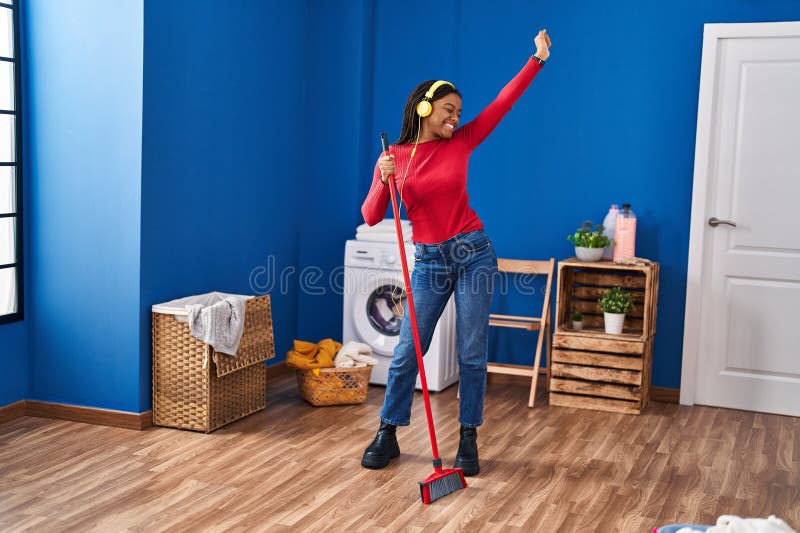
Then stop calling it exercise. Dancing to Afrobeats in your room, doing chores at a brisker pace, or playing football with friends on a Sunday all raise your heart rate and count toward your weekly activity. The goal is movement you can tolerate long enough to repeat.
People who frame fitness as “something I must suffer through” quit faster than people who frame it as “something I do because it makes my week better.”
How to Stay Consistent Without Relying on Willpower
Willpower runs out. Systems don’t. Instead of hoping you’ll feel motivated, build small structures that make the habit easier to keep.
- Attach it to an existing habit. Exercise right after you brush your teeth or right before your evening shower, so it rides on a habit you already have.
- Tell one person your plan. An accountability partner adds gentle pressure that keeps you honest.
- Track it simply. A tick on a calendar or a note-app streak is enough. You don’t need a fitness tracker to see progress.
- Plan for bad days in advance. Decide now that a missed day means “start again tomorrow,” not “start again next month.”
Consistency, not intensity, is what turns a plan into a lifestyle.
FAQs
- How many minutes a day should a beginner exercise?
Ten to twenty minutes a day is a realistic starting point for most beginners. This is enough to build the habit without triggering the burnout that comes from overly ambitious plans. - Can I lose weight by just walking?
Yes, brisk walking done consistently can support weight loss, especially when paired with a reasonable diet. It’s a low-impact option that most beginners can sustain without injury. - Do I need to exercise every day to see results?
No, four to five days a week is enough for most beginners to see noticeable changes in energy and fitness. Rest days matter just as much as workout days for recovery. - What’s the cheapest way to start exercising in Nigeria?
Body weight workouts and walking are the cheapest options, since both require zero equipment or membership fees. They’re also the most accessible for people with unpredictable schedules or limited space.