
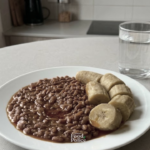

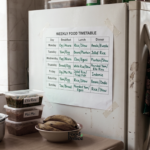
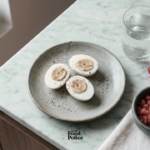


Yes, you can lose weight while eating jollof, beans, and eba. Weight loss comes down to eating fewer calories than your body burns, and Nigerian food fits into that math just as well as any other cuisine.
Can You Lose Weight Eating Nigerian Food?
Absolutely. No single Nigerian dish is “fattening” on its own; the trouble is usually portion size, cooking style, and how often you eat out. People cut out the wrong things while still eating three plates of party jollof on the weekend.
A 2021 meta-analysis in Annals of Medicine estimated that 21 million Nigerian adults were overweight and another 12 million were living with obesity as of 2020.
That’s roughly a third of the adult population carrying extra weight, which tells you this is a pattern shaped by portion culture, snacking habits, and food that’s engineered to be eaten fast between traffic and deadlines.
The good news is that fixing the pattern doesn’t mean abandoning the food. It means eating it smarter.
How Many Calories Should You Cut Each Day?
Most people need a deficit of 500 to 750 calories a day to lose about 0.5 to 1kg per week, based on standard energy-balance guidance used by dietitians worldwide.
For a Nigerian adult with a moderately active lifestyle, that usually lands somewhere between 1,500 and 1,800 calories a day, though this varies with height, age, and how much you move.
You don’t need a food scale for every meal to hit this. What you need is a realistic sense of portions, because that’s where most Nigerian diets quietly go wrong.
A “small” plate of rice at a buka is often 400g or more, which alone can be up to 600 calories before you add stew, meat, and a drink.
Once you know your rough target, the plan below builds meals around it without turning food into a chore.
The 7-Day Realistic Nigerian Meal Plan
This plan sits around 1,600 to 1,700 calories a day. Swap proteins and swallows freely based on what’s in your kitchen or your area’s market. Portions matter more than the specific food, so use these as a template, not a rulebook.
Monday
- Breakfast: Two boiled eggs, two slices of whole wheat bread, a small cup of unsweetened tea
- Lunch: Grilled chicken breast, one cup of brown rice, steamed vegetables (ugu or cabbage)
- Dinner: Small portion of beans porridge (ewa agoyin style, light oil) with plantain
Tuesday
- Breakfast: Akara (2 pieces, air-fried or shallow-fried) with pap
- Lunch: Efo riro with lean beef, small eba (fist-sized)
- Dinner: Peppered fish with a side salad
Wednesday
- Breakfast: Oats or custard with groundnuts and a banana
- Lunch: Moi moi (2 wraps) with a side of stewed vegetables
- Dinner: Grilled turkey, roasted sweet potato, coleslaw made with light mayo
Thursday
- Breakfast: Custard with milk
- Lunch: Okro soup with dry fish, small portion of semo
- Dinner: Chicken and vegetable stir-fry, no rice
Friday
- Breakfast: Yam porridge (asaro), small portion, with vegetables mixed in
- Lunch: Grilled fish, jollof rice (one small scoop, not a “party” scoop)
- Dinner: Light pepper soup with catfish
Saturday
- Breakfast: Two eggs with tomato and onion, one slice of bread
- Lunch: Beans and plantain, minimal palm oil
- Dinner: Suya (small portion) with cucumber and onions
Sunday
- Breakfast: Yam and egg sauce (small portion of yam, egg sauce loaded with tomato, pepper, and onion)
- Lunch: Native jollof rice (small scoop) with grilled chicken and a side of fried plantain (2-3 slices)
- Dinner: Pepper soup with goat meat or catfish, small portion
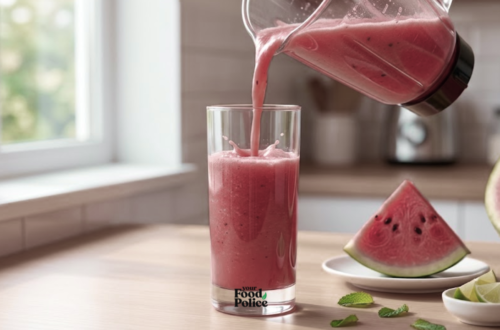
Snacks throughout the week can include boiled groundnuts, garden eggs, roasted plantain (small piece), or a piece of fruit like watermelon or pawpaw. Keep fried snacks like puff-puff and chin chin as occasional treats, not daily habits.
Why This Plan Works Without Starving You
Every meal here has protein, fibre, and a controlled starch portion, which keeps you full longer than a plate of rice alone would. Protein also has the highest thermic effect of the three macronutrients, meaning your body burns more calories digesting it compared to carbs or fat.
Because the plan uses foods already common in most Nigerian kitchens, you’re not hunting for imported ingredients or paying premium prices for “diet food.”
What This Plan Costs You Each Week
Nigerian food prices shift often, so treat these as 2026 estimates from typical local markets rather than fixed numbers.
| Food Item | Typical Quantity | Estimated Price (₦) |
| Chicken breast (frozen) | 1kg | 3,500-4,500 |
| Beans (brown or oloyin) | 1 derica | 1,200-1,500 |
| Brown rice | 1kg | 1,800-2,200 |
| Eggs | Crate of 30 | 4,800–6,000 |
| Frozen fish (titus or mackerel) | 1kg | 3,000–3,800 |
| Plantain | 4 fingers | 800–1,200 |
| Ugu or other leafy vegetables | 1 bunch | 300–500 |
| Groundnut oil | 1 litre | 2,200–2,800 |
A week of home-cooked meals from this plan typically costs between ₦14,000 and ₦18,000 for one person, depending on your area and how much meat or fish you include. That’s often cheaper than ordering from Chowdeck or a buka three times a week, where a single meal can run ₦2,500 to ₦4,000.
Smart Swaps If You Don’t Like What’s on the List
Nobody eats the same seven meals forever, so here’s how to trade items without wrecking your calorie target.
| If You Don’t Like… | Swap With | Why It Still Works |
| Brown rice | Ofada rice (small portion) | Similar fibre content, still filling |
| Beans porridge | Moi moi | Same protein source, less oil |
| Grilled chicken | Grilled turkey or fish | Comparable lean protein, lower fat than fried options |
| Eba | Wheat swallow or semo | Slightly higher fibre, similar calories in equal portions |
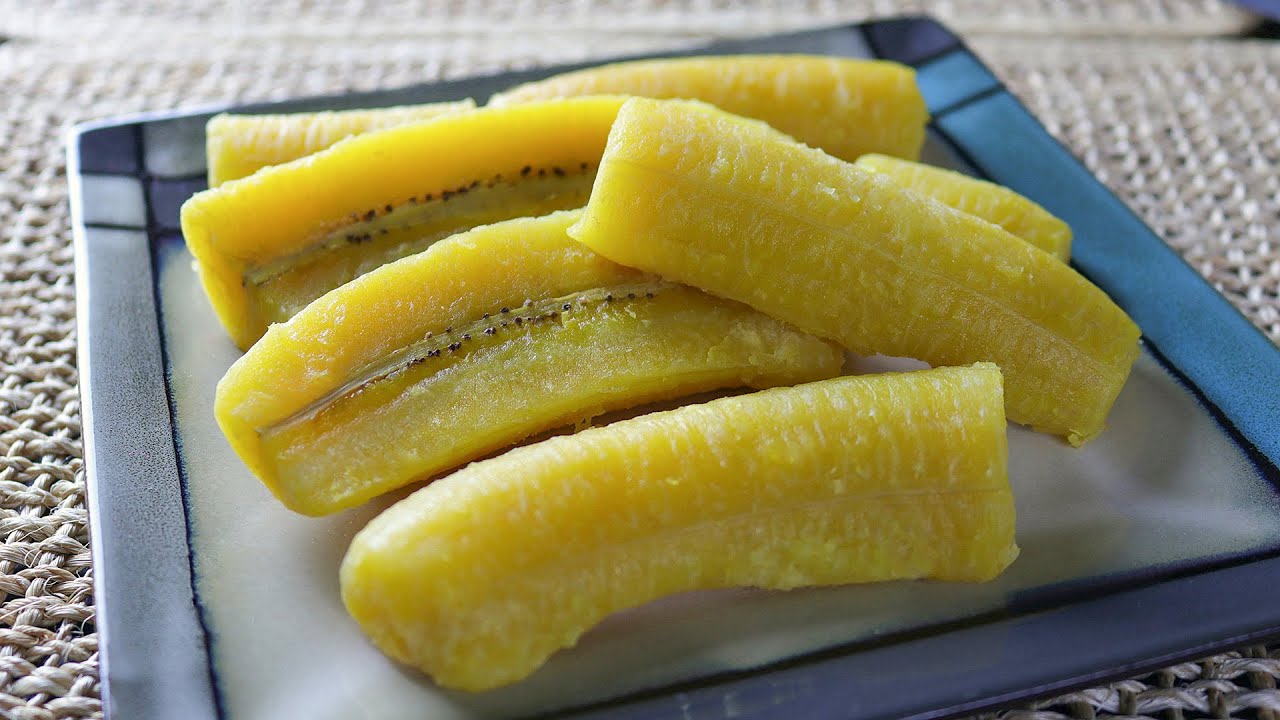
| Fried plantain | Boiled or roasted plantain | Cuts 100–150 calories per serving from oil alone |
Mistakes That Stall Nigerian Weight Loss Diets
Even with a solid meal plan, a few habits quietly undo the progress. Watch out for these.
- Drinking your calories. Sugary zobo, Chapman, and soft drinks can add 200 to 400 extra calories a day without filling you up at all.
- Underestimating oil. A “light” stew can still carry 3 to 4 tablespoons of palm or vegetable oil, which adds up to 400+ calories before you even touch the protein.
- Skipping meals, then overeating later. Skipping breakfast often leads to a bigger, heavier dinner that erases the deficit you were trying to build.
- Treating weekends as a free pass. Two days of party jollof, small chops, and drinks can offset five days of careful eating.
How to Personalise This Plan in 5 Steps
Everyone’s calorie needs and food access differ, so use this process to make the plan yours.
- Estimate your daily calorie target based on your age, activity level, and current weight, then aim for a 500 to 750 calorie deficit from that number.
- List the proteins and swallows you already eat weekly so the plan uses food you’ll actually finish, not food you’ll abandon by Wednesday.
- Measure your portions for one week using a normal cup or your palm as a guide, just to see how your usual servings compare to what’s listed here.
- Prep in batches on a low-activity day, since cooked beans, moi moi, and grilled proteins store well for two to three days.
- Track your weight weekly, not daily, because daily fluctuations from water and sodium can be misleading, especially after a salty Nigerian meal.
FAQs
- Can I lose weight eating garri every day?
Yes, in moderate portions. A cup of garri is roughly 360 calories, similar to a cup of cooked rice, so the issue is usually the amount eaten and what’s added to it, not the garri itself. - Is eba worse than rice for weight loss?
No, they’re nutritionally similar in calorie terms per equal portion. The bigger difference usually comes from the soup or stew served alongside, especially how much oil and meat it carries. - How fast should I expect to lose weight on a Nigerian diet?
A safe, sustainable rate is 0.5 to 1kg per week. Faster loss usually means muscle and water loss rather than fat, and it’s harder to keep off. - Do I need to avoid swallow completely to lose weight?
No, cutting out swallow entirely isn’t necessary. Reducing the portion size and pairing it with a vegetable-heavy soup works just as well for most people.