






Smoothies can help with weight loss, but only if you build them right. They can just as easily sabotage your goals if you don’t. It all comes down to what goes into the blender and how much of it you drink.
Do Smoothies Really Help With Weight Loss?
Smoothies help with weight loss when they’re built around fibre, protein, and controlled portions, but they can add hundreds of extra calories when loaded with sugary fruit, honey, and full-fat milk.
Your ingredients decide the outcome, not the blender.
A smoothie can carry more calories than a full plate of jollof rice and chicken and it’s not a scare tactic, that’s just how liquid calories work. A 500ml smoothie with banana, mango, honey, and condensed milk can easily cross 600 calories before you’ve added a single “extra.”
Meanwhile, a smoothie built with a smaller fruit portion, a scoop of protein, and water or unsweetened almond milk can be under 250 calories. Same blender, same word, wildly different results.
Why the Word “Smoothie” Is Doing a Lot of Heavy Lifting
“Smoothie” isn’t a nutrition category, it’s just a texture. A smoothie can be a genuinely balanced meal, or it can be dessert wearing a health halo. Knowing the difference matters more than the label will.
How Many Calories Are in a Typical Nigerian Smoothie?
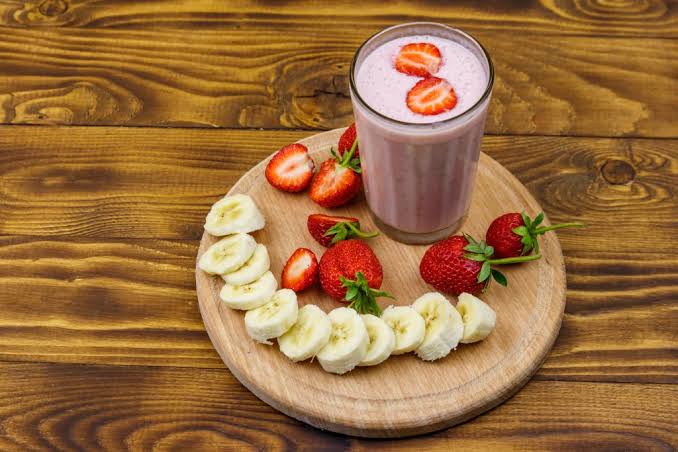
A typical Nigerian smoothie made with two or three fruits, milk, and a sweetener can range from 250 to over 700 calories, depending heavily on the fruit choice and added sugar. Pawpaw and watermelon-based blends sit on the lower end, while banana and mango-heavy ones climb fast.
| Smoothie Type (500ml) | Approx. Calories | Notes |
| Pawpaw, cucumber, lime, water | 150 – 200 | Low sugar, high water content |
| Watermelon, mint, lime | 180 – 220 | Naturally hydrating, low calorie |
| Banana, groundnut, milk | 400 – 500 | Higher calorie, more protein and fat |
| Mango, pineapple, honey, condensed milk | 550 – 700+ | Highest sugar load, dessert-level calories |
Estimates based on standard 500ml servings using common Nigerian ingredients.
As a result, two people can drink “a smoothie” and end up with a 400-calorie gap between them without realising it. That gap matters more than most people assume when weight loss is the goal.
The Banana Problem
Bananas make smoothies creamy and filling, which is great; however, it also adds roughly 105 calories per medium fruit, more than most other tropical fruits. Using half a banana instead of a whole one keeps the texture without doubling the calorie intake.
Can a Smoothie Replace a Full Meal for Weight Loss?
A smoothie can replace a meal for weight loss, but only when it includes enough protein and fibre to actually keep you full, not just fruit and liquid. Without that, you’ll likely be hungry again within an hour and reaching for something extra.
Research published in the American Journal of Clinical Nutrition has found that liquid calories tend to be less filling than solid food of the same calorie count. This means a fruit-only smoothie, even a healthy-looking one, may not satisfy hunger the way a plate of beans and plantain would.
What a Meal-Replacement Smoothie Really Needs
For a smoothie to genuinely stand in for lunch, aim for at least 15 to 20 grams of protein, some healthy fat, and fibre from the fruit itself. A scoop of unsweetened protein powder, a spoon of groundnut paste, or plain yoghurt all work well for this.
Why Fruit Alone Isn’t Enough
Fruit brings vitamin C, potassium, and natural sugars, but on its own, it digests fast and leaves you hungry again quickly. Pairing it with protein slows that digestion down and stretches the fullness further into your afternoon.
What Ingredients Turn a Smoothie Into a Weight-Gain Trap?
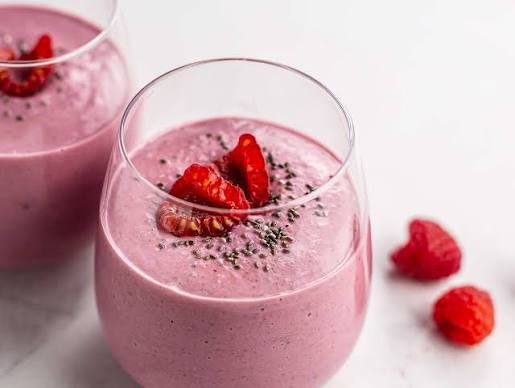
Honey, condensed milk, sugary yoghurt, and too much fruit in one blend are the main culprits that turn a smoothie from helpful to harmful for weight loss. None of these ingredients is “bad” on its own; the problem is stacking several of them into one drink.
Condensed Milk, the Calorie Bomb
A single tablespoon of condensed milk adds roughly 60 calories and a hefty dose of added sugar, and most people pour in far more than one tablespoon. Swapping it for a splash of unsweetened milk or water changes the calorie math dramatically.
Too Many Fruits in One Cup
Blending mango, banana, pineapple, and orange into a single cup feels healthy, but it often means eating a full day’s worth of fruit servings in one sitting. As a result, the natural sugar adds up fast, even without a drop of added sweetener.
Skipping the Fibre
Peeling and straining out pulp removes much of the fibre that would otherwise slow sugar absorption and keep you full. Blending whole fruit with the pulp intact, rather than juicing it, keeps that fibre working for you.
How Do You Make a Weight-Loss-Friendly Smoothie at Home?
Building a smoothie that supports weight loss comes down to balancing protein, fibre, and portion size before you even switch the blender on. Here’s a simple process I recommend to clients.
- Pick one fruit, not three. Choose a single fruit as your base, pawpaw, watermelon, or half a banana all work well to keep sugar and calories in check.
- Add a protein source. A scoop of protein powder, plain yoghurt, or a spoon of groundnut paste keeps you full for longer.
- Use water or unsweetened milk as your liquid. Skip condensed milk and sugary juice; they add calories without adding fullness.
- Add vegetables for volume. Spinach, cucumber, or a small piece of ugu blend in almost tastelessly while adding fibre and micronutrients.
- Skip the extra sweetener. Ripe fruit is usually sweet enough on its own; taste before reaching for honey or sugar.
- Stick to one cup, not two. Portion control matters even for “healthy” drinks, so measure rather than guessing.
Follow even three or four of these steps, and your smoothie shifts from a calorie gamble to a genuine weight-loss tool.
Are Store-Bought Smoothies From Nigerian Supermarkets Good for Weight Loss?
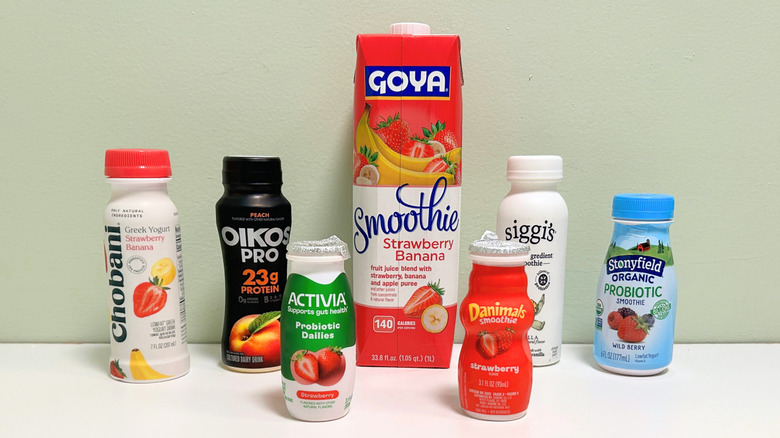
Store-bought smoothies can work for weight loss, but many carry added sugar levels that undercut the goal, so checking the label matters more than trusting the packaging.
NAFDAC-regulated products are required to list sugar content, and that number is worth reading before you buy.
Bottled smoothies marketed as “100% natural” can still contain significant added sugar if they’re blended from concentrate rather than fresh fruit. Because bottled versions also strip out most of the fibre during processing, they tend to feel less filling than a fresh, home-blended cup.
A Quick Label-Reading Habit
Check the sugar content per 100ml on the NAFDAC-approved label before assuming a bottled smoothie fits your goals. If sugar sits above 10 grams per 100ml, treat it more like a dessert drink than a meal replacement.
Making Smoothies Work for You, Not Against You
None of this means smoothies are the enemy, quite the opposite. They can be one of the easiest substitutes in a weight-loss routine. The difference between a helpful smoothie and a harmful one usually comes down to three or four small choices, not a total diet overhaul.
Start with one change this week: swap your usual two-fruit, honey-loaded blend for a single-fruit, protein-added version instead. Small shifts like this compound faster than most people expect.
FAQs
- Can drinking a smoothie every day help you lose weight?
Drinking a smoothie daily can support weight loss if it’s built with protein, fibre, and controlled portions rather than heavy fruit and added sugar. Without that balance, a daily smoothie habit can just as easily add extra calories over time.
- Are green smoothies better than fruit smoothies for weight loss?
Green smoothies are often lower in calories and sugar than fruit-heavy blends, since vegetables like spinach and cucumber add volume without much added sugar. However, they’re only better if you’re not compensating by adding extra honey or fruit to mask the taste.
- Do smoothies burn belly fat?
No single food or drink burns fat from one specific area of the body, and smoothies are no exception. What smoothies can do is support a calorie deficit when built with protein and fibre, which contributes to overall fat loss over time.
- Is it better to eat fruit whole or blend it into a smoothie for weight loss?
Eating fruit whole generally keeps you fuller for longer, since chewing and intact fibre slow digestion more than blending does. Blended smoothies can still work for weight loss, but they usually need added protein to match the fullness of whole fruit.

