




Pre-workout food is any meal or snack you eat before exercise to give your body the fuel it needs to perform well. It keeps your energy steady, your muscles sharp, and your recovery faster.
The goal is simple: eat in a way that boosts energy without weighing you down. That means the right balance of carbohydrates, protein, and a little fat, timed well before your workout.
Why Does Pre-Workout Nutrition Matter?
Many people either skip eating before exercise or grab the wrong things. Both mistakes cost you performance.
According to the International Society of Sports Nutrition (ISSN), eating a carbohydrate-protein meal 1-4 hours before training significantly improves endurance and strength output compared to training fasted.
In addition, pre-workout nutrition helps reduce muscle breakdown during exercise. It also speeds up recovery after. So what you eat before a session shapes how you feel during it and how quickly you bounce back afterwards.
How Long Before a Workout Should You Eat?
Timing matters just as much as food choice. Eating a full meal too close to training causes bloating and sluggishness. On the other hand, training on empty leaves you drained halfway through.
| Time Before Workout | What to Eat | Why It Works |
| 3–4 hours before | Full balanced meal (carbs + protein + fat) | Gives full digestion time; maximises glycogen stores |
| 1–2 hours before | Moderate snack (carbs + some protein) | Quick energy boost without heaviness |
| 30–60 minutes before | Small, easy-to-digest snack (mostly carbs) | Fast fuel; avoids digestive discomfort |
| Under 30 minutes | Banana or sports drink only | Light, immediate energy; no digestion burden |
Use this table as your guide, not a rigid rulebook. Everyone digests at a slightly different pace, so adjust based on how your body responds.
7 Best Pre-Workout Foods
1. Oats

Oats are slow-digesting, which means they release energy steadily throughout your workout. They are rich in complex carbohydrates and beta-glucan fibre, making them one of the most reliable pre-workout foods available.
A 2023 study found that athletes who consumed oat-based meals before endurance training showed greater sustained energy levels compared to those who ate simple carbohydrates alone.
Try a bowl of oat porridge with a banana and a drizzle of honey about 2 hours before your session. It is simple, affordable, and genuinely effective.
2. Bananas
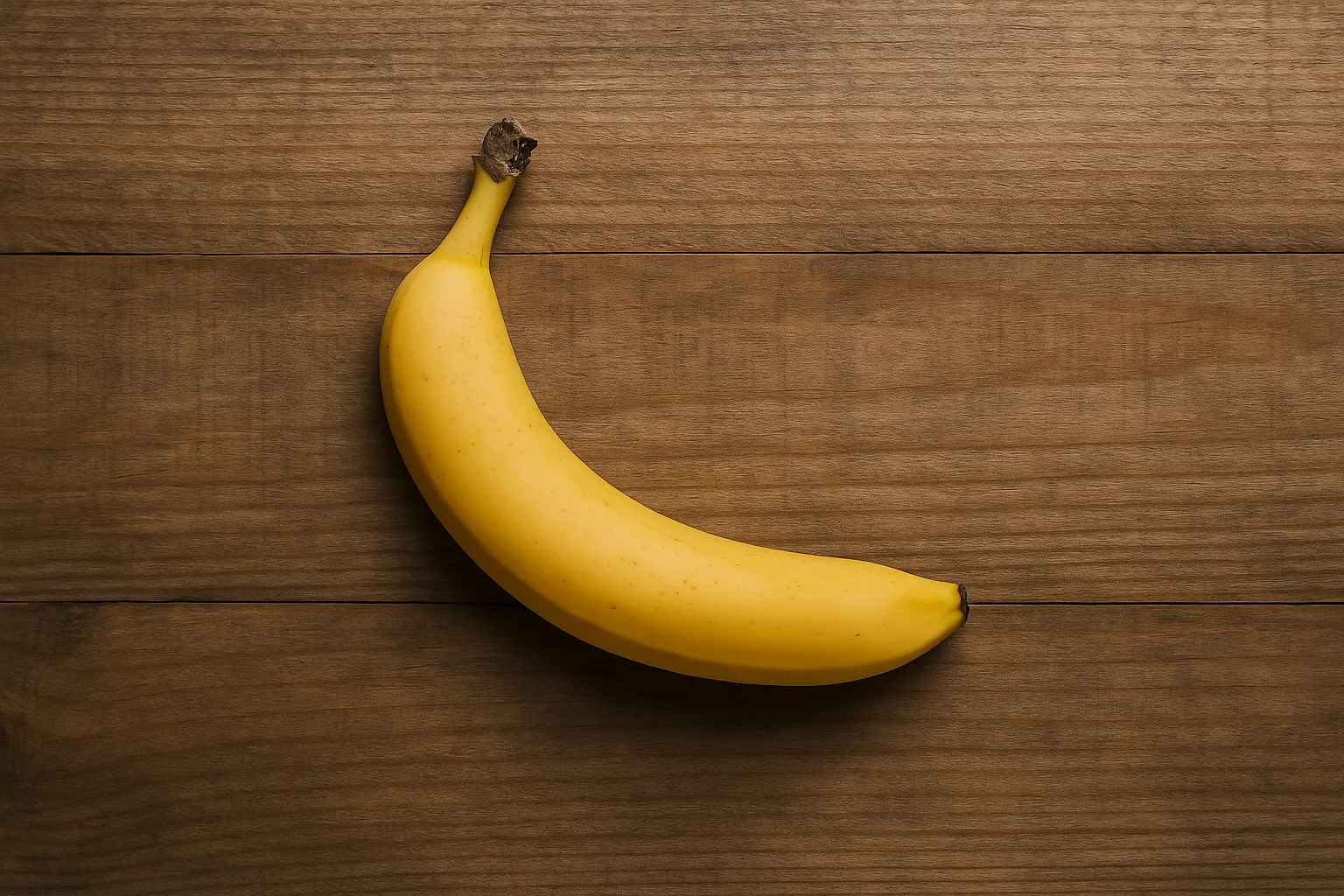
Bananas are loaded with natural sugars, mainly fructose and glucose, plus potassium, which helps prevent muscle cramps during exercise.
Because of this quick absorption, bananas work best when eaten 30–60 minutes before your workout. They are also easy to digest, so they will not leave you feeling heavy.
Meanwhile, their vitamin B6 content supports energy metabolism, helping your body convert food into fuel more efficiently. Carry one in your gym bag. You’ll thank yourself later.
3. Chicken and Rice
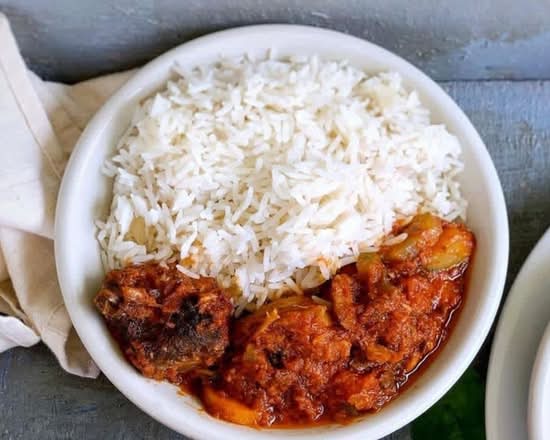
Ask any serious lifter what their go-to pre-workout meal is, and many will say chicken and rice. There is a reason this duo is so popular.
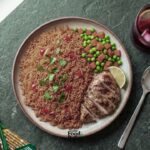
Lean chicken provides high-quality protein that supports muscle protein synthesis, while white rice offers fast-digesting carbohydrates to top up your glycogen stores.
White rice, in particular, is easier to digest than brown rice before a session. As a result, it gets into your bloodstream faster and fuels your muscles more quickly. Eat this meal 2–3 hours before lifting for best results.
4. Greek Yoghurt and Fruit
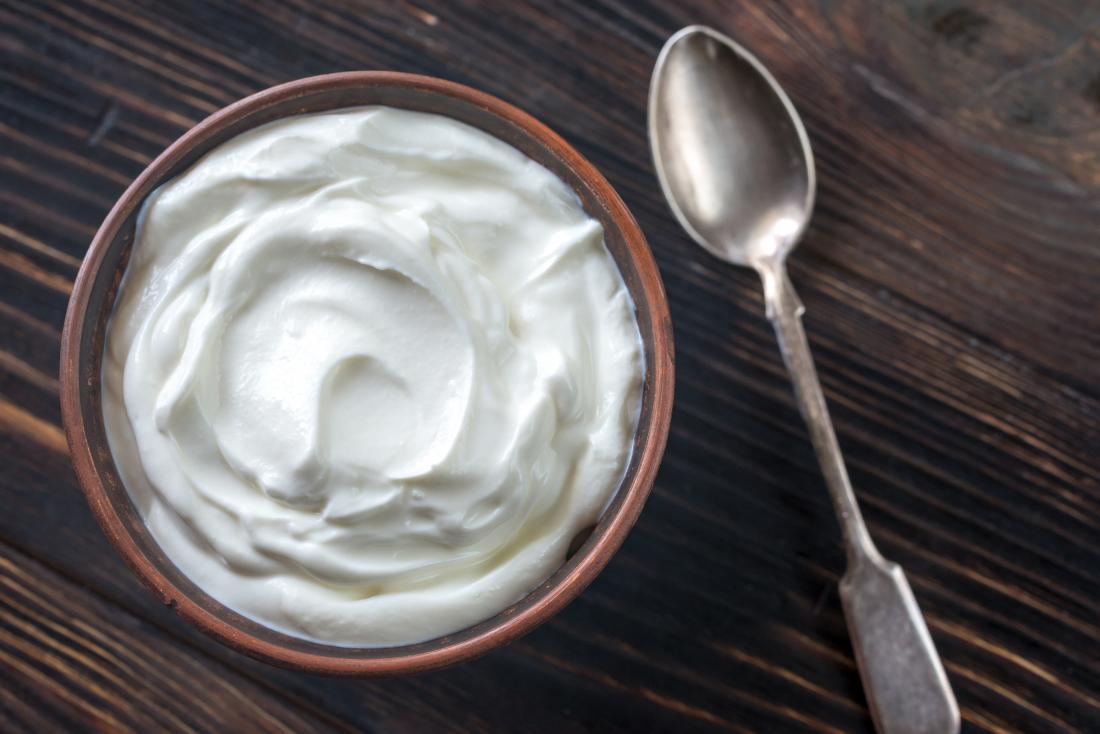
Greek yoghurt is a protein powerhouse. A standard 170g serving contains roughly 17g of protein and is rich in casein and whey, both of which support muscle repair.
Pair it with some fruit like berries, mango, or sliced banana, and you have a balanced pre-workout snack that covers your carb and protein needs together.
This combination works especially well 1–2 hours before a moderate-intensity session. Furthermore, the probiotics in Greek yoghurt support gut health, which matters more for performance than most people realise.
5. Eggs
:max_bytes(150000):strip_icc()/Simply-Recipes-Hard-Boiled-Eggs-LEAD-03-42506773297f4a15920c46628d534d67.jpg)
Eggs are one of the most nutrient-dense foods on the planet. They contain all nine essential amino acids, making them a complete protein source. For strength training in particular, that quality of protein matters.
However, eggs digest more slowly than carbohydrates, so they work best eaten 2–3 hours before exercise. Scrambled eggs on toast, or a simple omelette with vegetables, gives you both the protein and the carbs your muscles need before a hard session.
6. Protein Smoothies

A well-made protein smoothie can hit every nutritional target in one glass. Blend a scoop of protein powder with a banana, some oats, milk or a dairy-free alternative, and a handful of spinach. You get carbohydrates, protein, fibre, vitamins, and hydration all at once.
Because smoothies are already blended, they digest faster than whole foods. This makes them an excellent choice 30-90 minutes before a session. In addition, they are easy to customise based on your calorie and protein goals.
7. Coffee

Caffeine is one of the most well-researched ergogenic aids in sports science.
A standard cup of coffee (roughly 90-150mg of caffeine) taken 30-60 minutes before exercise is enough to sharpen focus, reduce perceived effort, and improve output. Just make sure you are well hydrated alongside it, as caffeine has mild diuretic effects.
What Should You Avoid Before a Workout?
Knowing what NOT to eat is just as important as knowing what to eat. Some foods actively hurt your performance, even if they seem harmless.
- High-fat meals- Fat slows digestion significantly. A greasy burger 1 hour before training will sit in your stomach and make you feel heavy and sluggish.
- High-fibre foods in large amounts- Fibre is great for general health, but too much right before exercise increases the risk of bloating, gas, and cramping.
- Alcohol- Even small amounts impair coordination, reduce strength output, and slow recovery. It also dehydrates you.
- Sugary drinks and sweets- A sugar spike followed by a sharp crash mid-workout is a real phenomenon. Simple sugars without fibre or protein rarely sustain energy.
- Unfamiliar or spicy foods- Before a big session or race, stick to what your gut knows. Trying something new is a gamble you do not want to lose.
How Do You Build the Perfect Pre-Workout Meal?
Building a great pre-workout meal is not complicated. Follow these five steps consistently and you will notice the difference in your performance.
1. Start with a carbohydrate base. Carbs are your primary fuel source during exercise. Choose complex options like oats, rice, sweet potato, or whole grain bread for longer sessions. For quick snacks before short workouts, simpler carbs like bananas or fruit work well.
2. Add a lean protein source. Protein before training helps protect muscle tissue from breaking down during exercise. Aim for 20-30g from sources like chicken, eggs, Greek yoghurt, or protein powder.
3. Keep fat moderate and well-timed. A small amount of healthy fat from nuts, nut butter, or avocado is fine, especially when eating 2-3 hours out. However, avoid large portions of fat closer to your session.
4. Hydrate properly. Dehydration of even 1–2% of body weight can reduce performance noticeably. Drink 400-600ml of water in the 2 hours before exercise.
5. Test and adjust. No one eats perfectly from day one. Track how different foods make you feel during your workout. Over time, you will find what works best for your body, your sport, and your schedule.
What About Morning Workouts When You Have No Time?
Morning exercisers face a real challenge, eating a full meal at 5:30am before a 6am session simply is not practical. Fortunately, you have options.
For sessions under 60 minutes, a banana or a small glass of juice is often enough. Your glycogen stores from the previous evening are still partly available, especially if you ate well at dinner.
For longer or more intense sessions, try a quick smoothie or two slices of toast with peanut butter. Eat it 30-45 minutes before you start, keep portions small, and see how you feel. Many people adapt surprisingly well once they build the habit.
What Are the Best Plant-Based Pre-Workout Foods?
Great news for vegans and vegetarians, plant-based diets can absolutely support high performance. The key is making sure you are hitting your carbohydrate and protein targets from plant sources.
• Oats with plant-based protein powder
• Banana with almond or peanut butter
• Smoothie made with soy milk and frozen banana
• Brown rice
Soy protein in particular is a complete plant protein, meaning it contains all essential amino acids. It is one of the best choices for plant-based athletes looking to support muscle building and recovery.
The Takeaway
Properly fueling your exercise routine is straightforward when you apply a few fundamental principles consistently.
Prioritise carbohydrates for sustained energy and incorporate protein to safeguard your muscle tissue.
Ensure your hydration is adequate and time your intake appropriately. Most importantly, remain attentive to your body’s unique responses, as personal feedback is often more significant than broad nutritional guidelines.
Selecting the appropriate pre-workout nutrition can enhance the quality of your training, improve endurance, and accelerate your progress, regardless of whether you are a runner, a lifter, or a casual gym enthusiast.
FAQs
Q: Is it okay to work out on an empty stomach?
A: It depends on the workout. Short, low-intensity sessions of 30-45 minutes can often be done fasted without much performance drop. However, for high-intensity training, strength sessions, or anything lasting over an hour, eating beforehand almost always improves performance and reduces muscle breakdown.
Q: How many calories should a pre-workout meal have?
A: There is no single right answer, it depends on your size, your goals, and how far in advance you are eating. A general guideline is 300-600 calories for a full pre-workout meal eaten 2-4 hours before exercise, and 100-200 calories for a quick snack 30-60 minutes out.
Q: Do I need a pre-workout supplement?
A: Pre-workout supplements are not necessary for most people. Many contain caffeine, which you can simply get from coffee. Some contain beta-alanine and creatine, which have legitimate performance benefits, but these work through consistent daily use, not just a single pre-session dose. Real food almost always covers your needs.
Q: What if I feel sick eating before exercise?
A: Some people genuinely struggle with eating before training, especially early in the morning. In that case, start very small, a few bites of banana or half a slice of toast. Over time, your digestive system usually adapts. Also, review your timing: eating too close to a session is a common cause of nausea. Give yourself more time between eating and training.
Q: Does it matter what I eat if I only do 30-minute workouts?
A: For short, low-intensity sessions, pre-workout nutrition matters less. A light snack or even nothing is usually fine. However, if that 30-minute session is high-intensity, like HIIT or heavy lifting, then eating something beforehand will help you get more out of it.