

Eating healthy in Nigeria costs about ₦2,500 to ₦6,000 per person per day as of October 2026 if you cook at home, and as little as ₦1,000 to ₦1,700 at a bare-bones floor level.
So, how much does it cost to eat healthy in Nigeria over a month? Roughly ₦30,000 to ₦180,000. Protein choices drive most of that gap, not vegetables.
Many people assume healthy eating means imported oats, salmon, and expensive oils. It does not. In public health nutrition, we compare the cost per nutrient, not the cost per kilo.
This article shows what to buy first and how to stretch each naira without losing iron, zinc, folate, and vitamin A.
Key takeaways
- A home-cooked healthy diet costs about ₦1,000 to ₦6,000 per person per day in 2026, or ₦30,000 to ₦180,000 a month.
- Dried beans deliver protein at roughly one-quarter to one-seventh the cost of chicken or eggs.
- On a tight budget, beans, leafy vegetables, and eggs should be the first foods in your basket, with fruit, fish, and chicken added as money allows.
- Garri and beans prices fell by about 40% year on year by April 2026, yet tomatoes and other fresh produce still swing sharply from month to month.
- Cooking fuel, food waste, and cooked meals from outside are the hidden costs that quietly break a food budget.
How Much Does It Cost to Eat Healthy in Nigeria Each Day?

A healthy day of eating in Nigeria costs about ₦1,000 to ₦1,700 at a bare-bones floor level, ₦2,500 to ₦3,500 on a lean budget, ₦4,000 to ₦6,000 on a balanced budget, and ₦7,000 or more if you rely on cooked meals from outside.
These figures cover one adult cooking at home, using prices as of October 2026.
| Budget tier | Cost per day | Cost per month | What a typical day looks like |
| Floor | ₦1,000 to ₦1,700 | ₦30,000 to ₦51,000 | Beans, garri, rice or ogi, leafy vegetables, tomato-pepper stew, eggs about three times a week |
| Lean | ₦2,500 to ₦3,500 | ₦75,000 to ₦105,000 | Beans with rice or ogi, two eggs, leafy vegetable stew, one seasonal fruit |
| Balanced | ₦4,000 to ₦6,000 | ₦120,000 to ₦180,000 | Fish or chicken three to four times a week, eggs, beans, two vegetables, daily fruit |
| Eating out | ₦7,000 or more | ₦210,000 or more | Three cooked meals with protein from outside, plus drinks and snacks |
Table 1: Estimated daily and monthly cost of a healthy diet for one adult in Nigeria, October 2026.
A floor day: ₦1,000 to ₦1,700
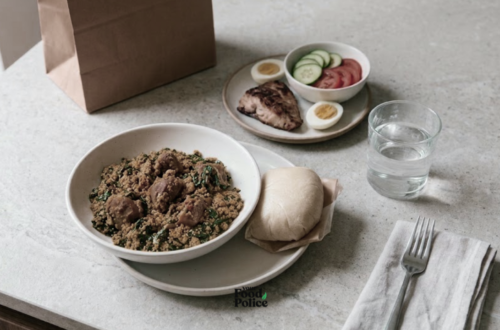
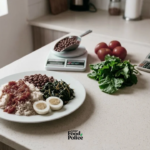
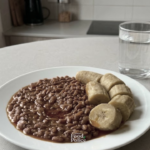
A floor day rests on three anchors: dried beans, a cheap grain, and a leafy vegetable. Breakfast could be ogi (maize pap) with moi moi (steamed bean pudding). Lunch could be rice or boiled yam with tomato-pepper stew and sautéed ugu (pumpkin leaves).
Dinner could be beans porridge with a small portion of garri. Add eggs at any meal about three times a week. Together, these meals supply protein, iron, folate, zinc, and vitamin A, with fibre from beans and vegetables.
A lean day: ₦2,500 to ₦3,500
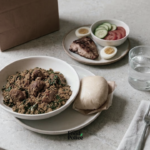
A lean day keeps the same anchors but adds eggs on most days and one seasonal fruit. Breakfast could be moi moi with pap, or two boiled eggs with boiled yam. Lunch could be rice with tomato-pepper stew and sautéed ugu.
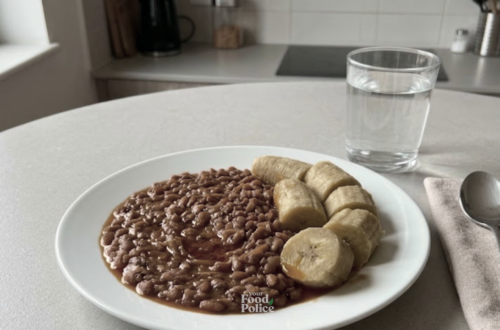
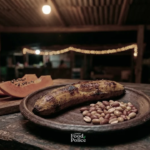
Dinner could be beans porridge with ripe plantain, followed by an orange or banana. The fruit brings vitamin C, which helps your body absorb the iron in beans.
A balanced day: ₦4,000 to ₦6,000
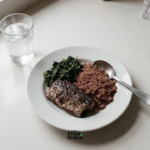
A balanced day adds fish or chicken three to four times a week, fruit every day, and a second vegetable. This adds about ₦1,500 to ₦2,500 to the lean budget. In return, you gain more vitamin B12, zinc, and easily absorbed iron, plus more variety on the plate.
An eating-out day: ₦7,000 or more
Buying cooked meals with protein often costs ₦2,500 to ₦3,500 per plate. That adds up to ₦7,500 to ₦10,500 before drinks and snacks. Meanwhile, you pay for the cook’s time, fuel, and rent in every plate.
What the National Numbers Say About 2026 Prices and Pay
Staple food prices are lower than a year ago, yet a healthy diet remains out of reach for many households.
The UN’s 2026 State of Food Security and Nutrition in the World report says 191.2 million Nigerians could not afford a healthy diet in 2025. Meanwhile, the national minimum wage stays at ₦70,000 a month.
The same report puts the minimum daily cost of a healthy diet in Nigeria at $4.17 in 2025, up from $2.78 in 2017, in purchasing power parity (PPP) dollars.
On pay, the National Minimum Wage (Amendment) Act 2024 set the national minimum at ₦70,000 a month. Some states pay more, so check your own state’s figure
The National Bureau of Statistics (NBS) tells a more encouraging story on staples. White garri averaged ₦808.96 per kilogram in April 2026, down 39.86% from ₦1,345.10 a year earlier. Brown beans fell 44.89% to ₦1,338.93 per kilogram over the same period.
Food inflation also eased to 16.06% year on year in April 2026, compared with 24.68% in April 2025.
| Item (1 kg) | Average price, April 2026 | Change vs April 2025 |
| White garri (sold loose) | ₦808.96 | Down 39.86% |
| Brown beans (sold loose) | ₦1,338.93 | Down 44.89% |
| Tomatoes | ₦1,177.92 | Down 8.23% |
| Onion bulbs | ₦1,164.39 | Down 22.56% |
Table 2: National average prices of four staples in April 2026 and their year-on-year change. Source: NBS Selected Food Price Watch
Fresh produce is less predictable, however. NBS data for May 2026 show tomato prices rising 32.48% in one month, from ₦1,177.92 to ₦1,560.56 per kilogram. Because of this, the cost of healthy eating can jump if your stew base depends on fresh tomatoes.
Prices also differ widely between states, so the healthy food prices Nigeria shoppers see in one market can look very different in another. Check your own market before you lock in a budget.
Healthy Foods That Give the Most Nutrition per Naira

Dried beans give the most protein per naira, at roughly one-quarter to one-seventh the cost of chicken or eggs. Leafy vegetables add iron, vitamin A, and folate at very low cost. Meanwhile, garri and rice supply cheap energy but little else, so each plate needs one food from every group.
| Food | Typical price | Protein | Approximate cost per 10 g of protein |
| Dry brown beans | ₦1,339 per kg | About 23 g per 100 g dry | About ₦58 |
| Eggs | ₦250 each | About 6 g per egg | About ₦420 |
| Chicken (with bone) | ₦3,500 to ₦5,500 per kg | About 150 g per kg bought, after bone waste | About ₦230 to ₦370 |
Table 3: Approximate cost of 10 grams of protein from three common foods (dry weight for beans, purchase weight for chicken). Calculated from the prices shown.
Beans: the cheapest protein, with one catch
Dried beans are rich in protein, iron, zinc, and folate. Their iron is harder to absorb than the iron in meat or fish, so eat them with vitamin C from tomatoes, peppers, or citrus. Pair beans with rice or ogi as well, because cereals and legumes complete each other’s amino acids.
Eggs, fish, and chicken: small portions, big payoff
Animal foods cost more per gram of protein. Even so, they supply vitamin B12 (found almost only in animal foods), zinc, and well-absorbed iron. On a tight budget, a few eggs a week do much of this job at a modest cost. Two eggs or a palm-sized piece of fish or chicken is a full portion.
Vegetables and fruit: the nutrient bargain
The WHO recommends at least 400 grams of fruit and vegetables a day, and starchy roots such as yam, cassava, and potatoes do not count toward it. A day’s portion of leafy greens, about 150 g, usually costs ₦150 to ₦400. If 400 g is out of reach, start with the leafy greens and add fruit when you can.
What to Buy First When Money Is Tight
Buy beans first, leafy vegetables second, and eggs third. These three foods cover protein, iron, folate, vitamin A, and zinc at the lowest cost per nutrient. Add fruit, fish, and chicken only after those are secure. Skip sugary drinks and packaged snacks, which cost money and add almost no nutrients.
- Dry beans. The cheapest protein, plus iron, zinc, and folate. Aim for about 100 g dry per day.
- A cheap grain or root. Garri, rice, ogi, or yam for energy. Pick whichever costs least per kilogram in your market this week.
- Leafy vegetables. Ugu, efo, or other local greens for vitamin A, folate, and iron. About 150 g a day is a good target.
- Eggs. Three or four a week for vitamin B12, zinc, and complete protein.
- Local fruit in season. Banana, orange, or pawpaw for vitamin C, which helps you absorb iron from beans.
- Fish or chicken. Small portions once or twice a week, when your budget allows.
How To Work Out Your Own Healthy Food Budget
The whole exercise takes about 15 minutes and shows exactly where your money goes.
- List yesterday’s food. Write down every meal, snack, and drink, including cooking oil, seasoning, and sugar.
- Price each portion. Divide the kilo price by the portion size. For example, 100 g of dry beans at ₦1,339 per kilogram costs about ₦134.
- Add the fuel. Include ₦150 to ₦500 per day for cooking gas, less if you share a pot.
- Check it against the ladder. Mark which of the six foods above you ate, and which ones you skipped.
- Swap the biggest non-essential cost. Replace drinks, snacks, or ready meals with beans, greens, or eggs, then price the day again.
Cut the Hidden Costs: Fuel, Waste, and Small-Quantity Buying
Cooking fuel, food waste, and buying in tiny quantities can add ₦300 to ₦1,000 a day to a food budget that looks cheap on paper. Cutting them is often easier than cutting food.
- Soak beans overnight and cook one big pot. Beans use the most fuel, so reheating portions saves money.
- Share cooking with neighbours or roommates when you can.
- Buy dry beans, rice, and garri in larger quantities with others. A bigger purchase usually costs less per kilogram than buying by the cup.
- Buy tomatoes, peppers, and leafy vegetables for three days at a time. They spoil fast in hot weather.
- When tomatoes drop in price, cook down extra stew base and refrigerate or freeze it if you can.
- Swap two chicken or fish meals a week for beans or eggs.
- Skip sugary drinks and packaged snacks, which often cost ₦300 to ₦700 per item and add little nutrition.
- Check packaged foods for a NAFDAC registration number before you buy a cheap brand.
When to See a Doctor or Dietitian
See a doctor or dietitian if tight money has pushed you into eating too little or too narrowly, and you notice any warning sign below. Cost pressure can lead to hidden deficiencies before it shows on the scale. Early checks are cheap compared with treating anaemia or severe malnutrition later.
- You are losing weight without trying, especially more than 5% of your body weight over three months.
- You feel constantly tired or dizzy, your palms or inner eyelids look pale, or light activity leaves you breathless. These can point to anaemia.
- You catch infections often, wounds heal slowly, or your hair thins and breaks easily.
- Your feet, legs, or face are swollen, especially if the swelling affects a child. Get urgent medical review.
- A child is not growing or gaining weight as expected.
- You live with diabetes, high blood pressure, or kidney disease. Check with your clinician before you change your diet.
FAQs
- Is it cheaper to cook at home or buy food outside in Nigeria?
Cooking at home is almost always cheaper. A home-cooked healthy day runs about ₦1,000 to ₦6,000 depending on your tier, while three cooked meals with protein from outside can pass ₦7,000. Cooking a big pot and reheating portions makes home even cheaper. - Can I eat healthy on ₦1,000 a day in Nigeria?
It is tight but close. About ₦1,000 can cover beans, a cheap grain, leafy vegetables, and a stew base, with a few eggs a week if you share cooking fuel. It leaves little room for fruit or fish, so add those first when you have extra. - How much should a family of four budget monthly for healthy food?
At the floor tier, plan roughly ₦95,000 to ₦165,000 a month for two adults and two children. At the lean to balanced tiers, plan roughly ₦240,000 to ₦580,000. Children eat less than adults, so these totals are lower than four times the adult figure. - Do I need imported or organic foods to eat healthy in Nigeria?
No. Beans, leafy vegetables, eggs, fish, local fruit, and minimally processed staples cover your nutrient needs at a lower cost than imported superfoods. Spend on variety, not on labels.
Your next step today: Open your notes app and write down everything you ate yesterday. Price each portion using Table 2 and Table 3, and circle the most expensive item that is not on the buy-first list. Then, on your next market trip, buy 1 kg of dry beans and one portion of leafy greens, and cook one beans-and-greens meal this week.