






The fastest way to cut your food budget isn’t a new diet or a fancy app, it’s changing how you move through the market itself. Small shifts in timing, bargaining, and buying habits can remove thousands of naira from your monthly spend without touching what you actually eat.
What Are the Best Market Hacks to Save Money on Food?
The biggest market hacks come down to three things: timing your visits, buying in the right quantities, and knowing which sellers to build a relationship with. Get these three right, and you’ll spend less without eating worse.
You can cut your food spending by 15 to 20 percent just by rearranging when and how you shop, not what you buy.
According to the National Bureau of Statistics, food inflation stood at 17.52 percent year-on-year in June 2026, with prices for staples like tomatoes, pepper, and garri among the fastest movers. Every naira you save at the market stretches further than it used to.
Most people treat market shopping as a chore to rush through. However, treating it as a skill, one you can actually get better at, is where the real savings live.
Why Timing Beats Bargaining for Most Shoppers
A trader who has already made good sales for the day has less pressure to hold firm on price. Meanwhile, a trader staring at unsold perishables an hour before close is often ready to let go cheap.
When Is the Best Time to Go to the Market for Cheaper Prices?

Early morning and late afternoon are the two windows where you’ll consistently find the best prices. Early morning gets you first pick and freshest stock at opening prices, while late afternoon rewards you with discounts on perishables sellers don’t want to carry home.
Why Early Morning Market Runs Pay Off
Most Nigerian markets open between 6 am and 7 am, and the first hour often sets the tone for pricing all day. Traders are fresh, less haggled-out, and sometimes offer an “opening price” discount for the first customer or two, a superstition many still hold onto for good luck.
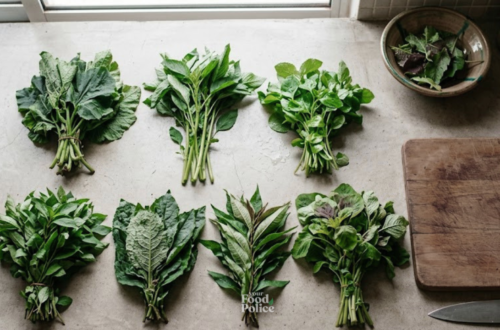
As a result, you also get first pick of the best tomatoes, the freshest fish, and the crayfish that hasn’t started drying out under the sun. Arrive by 7 am at places like Bodija Market in Ibadan or Mile 12 in Lagos, and you’ll beat both the crowd and the midday price creep.
Why Prices Drop Before Closing Time
On the other hand, perishable sellers, tomato, pepper, fish, and vegetable traders especially, often cut prices sharply between 5 pm and 6 pm. They would rather sell at a slim margin than carry unsold stock home, where it spoils overnight.
This works best for items you’ll cook within a day or two. Because you’re buying what’s left, selection is smaller. Still, if flexibility isn’t a problem, a 6pm run can save you 20 to 30 percent on tomatoes and pepper alone.
How Do You Bargain at the Market Without Wasting Your Time?

Effective bargaining starts with knowing the real price range before you speak, then offering slightly below the middle of that range and staying calm while the trader counters. Rushing or over-explaining yourself almost always costs you money.
Know the Range Before You Open Your Mouth
Ask two or three sellers what they’re charging before committing to one. This isn’t rude, traders expect it, and it takes less time than most people assume. Once you know that a derica of rice is going for ₦1,800 to ₦2,200, you can negotiate from a position of knowledge instead of guessing.
Use Silence as a Tool
After you name your price, stop talking. Many buyers fill the silence with justifications, which weakens their position. Let the trader sit with your offer; more often than not, they’ll counter closer to your number than their original one.
Buy With a Market Friend
Splitting a market run with a neighbour or roommate lets you both buy in bulk quantities that unlock lower per-unit prices, then divide the load. A bag of onions split three ways, for example, costs each person far less than three separate small purchases.
Is It Cheaper to Shop at the Market or Order Through Delivery Apps?
Market shopping is almost always cheaper than ordering groceries through delivery apps like Chowdeck or shopping at supermarkets, sometimes by 30 percent or more, because you skip delivery fees, packaging costs, and retail markups. The trade-off is time and stamina.
The gap widens for bulky, non-perishable items like grains and tubers, where delivery fees and packaging add the most. For quick top-ups of two or three items on a busy weekday, though, a delivery app can still make sense once you factor in your time and transport cost to the market.
What Market Mistakes Drain Your Food Budget?
The biggest budget drain is shopping without a list, because it leads to impulse buys and duplicate purchases you don’t need. Close behind that is buying small quantities repeatedly instead of stocking up on non-perishables when prices drop.
Shopping Hungry, Shopping Wasteful
Hunger makes everything at the market look necessary. Eat something small before you go, and you’ll likely walk away with a cheaper basket.
Ignoring the “Off-Brand” Stalls
Many shoppers stick to one familiar seller out of habit, even when a stall two rows over sells the same yam at a better price. Walking the full line of sellers before buying, especially for grains and tubers, is one of the simplest savings habits you can build.
How Can Students and Busy Professionals Save More on Market Runs?

Students and professionals save the most by batching their market trips, splitting bulk purchases with roommates or colleagues, and sticking to a written list built around a weekly meal plan. Here’s a simple process to follow.
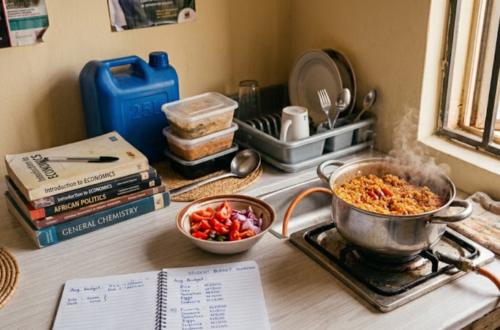
- Plan your meals for the week first. Decide what you’re cooking before you shop, not after. This alone cuts impulse buying dramatically.
- Write a list and stick to it. A list turns a wandering market walk into a focused, faster trip.
- Batch your trips. One well-planned weekly run beats three rushed midweek visits, since transport costs and impulse buys add up fast on repeat trips.
- Split bulk items with a hostel mate or colleague. Tubers, grains, and onions are cheaper per unit in bulk, so team up to unlock that price without the storage burden alone.
- Store what you buy properly. Fresh pepper and tomatoes blended and frozen in bags last weeks longer than left whole in a warm room, protecting your investment.
Students on tight allowances especially benefit from step four. Splitting bulk items with two or three hostel mates turns an unaffordable bulk price into a manageable one, while still locking in the discount.
Building a Market Habit That Actually Sticks
None of these hacks require special equipment or a nutrition degree to apply. What they need is repetition, until timing your trips and checking two or three sellers before buying becomes second nature.
Start with just one change this week, whether that’s an earlier market run or a written list before you leave the house.
Once that becomes routine, layer in the next one. Small, consistent shifts in how you shop add up to real savings over a month, even while food prices keep climbing nationally.
FAQs
- Is it better to buy food weekly or daily at the market?
Weekly buying works best for grains, tubers, and other non-perishables, since it cuts down on repeat transport costs and impulse purchases. Perishables like tomatoes, pepper, and leafy vegetables are often better bought two or three times a week in smaller amounts to avoid spoilage.
- How much can I realistically save by bargaining at the market?
Most shoppers can knock 10 to 20 percent off the first price quoted with calm, informed bargaining. The savings are usually higher on items with more price flexibility, like fruits and vegetables, than on staples with fixed wholesale costs like rice.
- Are supermarket prices ever better than market prices in Nigeria?
Occasionally, during promotions or bulk sales events, supermarkets can briefly match or beat market prices on packaged goods. For fresh produce and unpackaged staples, though, the open market almost always wins on price.
- What’s the easiest market hack for a complete beginner?
Start with a written shopping list built from your weekly meals. It sounds basic, but a list prevents the impulse buys that quietly inflate almost every first-time shopper’s total.