

To bulk successfully, you need to eat more calories than your body burns every day, with enough protein to build new muscle tissue. Everything else, the meal timing, the supplements, the fancy gym shakes, is just detail on top of those two non-negotiables.
I know that sounds too simple. But the ones who actually bulk are the ones who nail the basics consistently. Not the ones chasing the latest trend.
This article breaks down exactly what to eat, how much, and how to do it affordably on a Nigerian budget.
What Does “Bulking” Actually Mean?

Bulking means deliberately eating in a caloric surplus so your body has the raw materials to build muscle. You train hard, you eat more than you burn, and your body uses that extra energy to lay down new muscle tissue.
There are two common approaches. A dirty bulk means eating anything and everything to hit a massive surplus.
You gain muscle fast, but you also pack on a lot of fat. A clean bulk (or lean bulk) means eating a modest surplus of 250-500 calories above your maintenance level. Slower muscle gain, but most of what you add is actual muscle.
For most Nigerians, a clean bulk makes more sense. You’re not trying to look like a football in four months.
A surplus of 350-480 calories per day is the sweet spot for maximising muscle gain while minimising fat gain in natural trainees.
How Many Calories Do You Need to Bulk?
Start by estimating your Total Daily Energy Expenditure (TDEE), then add 300-500 calories on top of it. That surplus is your bulking target.
A simple way to estimate your maintenance calories
Use the Mifflin-St Jeor equation, or just multiply your body weight in kg by 33-35 if you train 3-5 days a week. So a 70kg man who trains four days a week needs roughly 2,310-2,450 calories to maintain his weight. To bulk, he’s targeting 2,700-2,900 calories daily.
Don’t overthink the math. Pick a number, eat consistently at that level for two weeks, and track your weight. If you’re not gaining 0.25-0.5kg per week, eat more. If you’re ballooning, pull back slightly.
How Much Protein Do You Actually Need to Build Muscle?
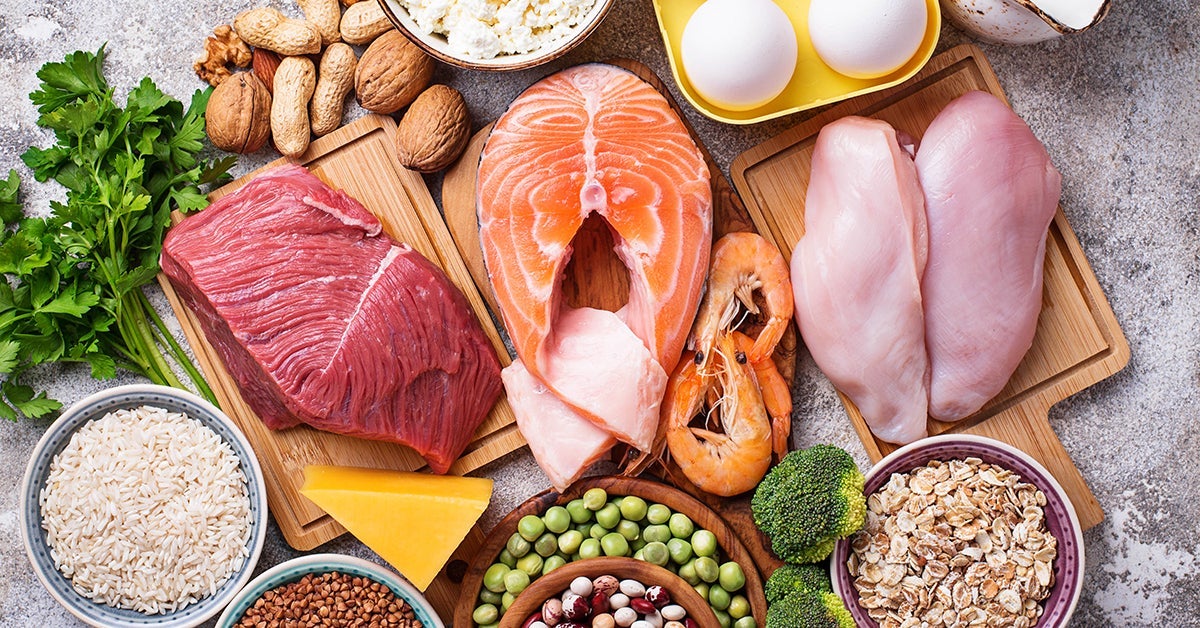
Aim for 1.6-2.2 grams of protein per kilogram of body weight per day. That is the range backed by meta-analyses in sports nutrition research. A 70kg person needs roughly 112-154g of protein daily.
A landmark 2018 meta-analysis by Morton et al., published in the British Journal of Sports Medicine, analysed 49 studies and confirmed that protein intakes beyond 1.62g/kg/day provided no additional muscle-building benefit for most people.
Hitting that number on a Nigerian diet is very doable and doesn’t have to cost a fortune.
Affordable high-protein Nigerian foods
- Eggs (2 large eggs = ~13g protein
- Beans (ewa agoyin, moi moi, akara): 1 cup cooked = ~15g protein
- Titus fish (mackerel): 100g fried = ~22g protein,
- Crayfish: a small quantity packed into soups adds 3-5g protein per serving
- Chicken (thigh/drumstick): 100g grilled = ~26g protein
- Cow meat: lean cuts at ~₦600-800 per 100g serving
- Groundnut (peanut): 50g = ~13g protein
- Sardines (canned): one 155g tin = ~22g protein
Three meals with eggs or beans plus two protein-containing snacks puts most people right in range without a single scoop of imported whey.
What Are the Best Carbs for Bulking on a Nigerian Diet?
Carbohydrates are your fuel. They power your workouts and spare your protein for building muscle instead of burning it for energy. On a bulk, you want carbs at every major meal.
The best carb sources for bulking are energy-dense, affordable, and familiar:
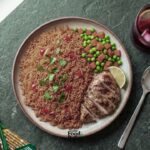
- Rice (white or brown): the cornerstone of Nigerian bulking. One cup cooked = ~206 calories. Easy to eat in volume.
- Yam: boiled, pounded, or as yam porridge. 200g boiled = ~246 calories. Also gives you potassium and B vitamins.
- Plantain: boiled or grilled (not deep-fried every day). One medium plantain = ~218 calories plus potassium and Vitamin C.
- Eba/garri: yes, garri works for bulking. A standard wrap is ~360 calories. Pair it with a protein-rich soup.
- Oats: a solid breakfast option. One cup cooked = ~158 calories with 6g of protein.
- Bread: Great Value, Buttercup, or any locally baked bread. Two slices = ~180 calories. Quick and easy for students.
Nutritional comparison: common Nigerian bulking foods
| Food (1 cup cooked / standard portion) | Calories | Protein (g) | Carbs (g) | Cost (₦) |
| White rice (1 cup) | 206 | 4 | 45 | ~100 |
| Oatmeal (1 cup) | 158 | 6 | 27 | ~150 |
| Boiled yam (200g) | 246 | 3 | 57 | ~120 |
| Eba/garri (standard wrap) | 360 | 2 | 87 | ~80 |
| Boiled plantain (1 medium) | 218 | 2 | 57 | ~100 |
| Beans/ewa (1 cup cooked) | 227 | 15 | 41 | ~130 |
| Groundnut (50g) | 295 | 13 | 9 | ~150 |
| Egg (2 large) | 143 | 13 | 1 | ~200 |
| Titus fish (100g, fried) | 206 | 22 | 0 | ~400 |
| Chicken thigh (100g, grilled) | 209 | 26 | 0 | ~600 |
What Fats Should You Eat When Bulking?
Fats are calorie-dense (9 calories per gram versus 4 for protein and carbs), so they’re a smart tool when you’re trying to eat more without feeling stuffed all day.
Prioritise unsaturated fats from whole foods:
- Groundnut oil and palm oil: the backbone of Nigerian cooking. Use them for cooking, not just deep frying.
- Avocado (avocado pear): half an avocado = ~160 calories and ~15g of healthy monounsaturated fat. In season, ~₦100-300 per fruit in markets.
- Groundnut/peanut butter: two tablespoons = ~190 calories and 8g protein. Groundnut butter from Kano or homemade is more affordable than imported brands.
- Coconut: fresh coconut flesh and coconut milk in stews both add calories and a distinct flavour.
- Fatty fish (Titus, Shawa, Eja Kika): rich in omega-3 fatty acids. WHO recommends at least 2 servings of fatty fish per week for cardiovascular health.
How Should You Structure Your Meals for a Bulk?
You don’t need six meals a day. Three solid meals and one or two snacks are enough for most people. What matters is hitting your daily calorie and protein targets.
A sample Nigerian bulking day (approx. 2,800-3,100 calories, 160g protein)
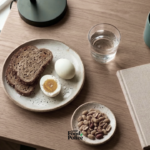
- Breakfast (7am): 4 eggs scrambled with onions and tomatoes + 2 slices of buttered bread + a cup of Milo with full-fat milk. (~700 cal, 35g protein)
- Snack (10am): 50g groundnut + 1 banana. (~400 cal, 14g protein)
- Lunch (1pm): 2 cups of rice + beef stew with 2 pieces of beef + a side of fried plantain. (~900 cal, 45g protein)
- Snack (4pm): a cup of beans pottage or 2 boiled eggs + a fruit. (~350 cal, 20g protein)
- Dinner (7pm): large wrap of eba or pounded yam + egusi soup with 2 pieces of stockfish or Titus fish. (~750 cal, 46g protein)
Adjust portions up or down based on your specific calorie targets.
Do You Need Protein Supplements to Bulk?
No, you don’t. Whole food protein from eggs, beans, fish, and meat is just as effective as powder for building muscle. The research is clear on this.
That said, whey protein is convenient if your schedule makes it hard to eat enough. A 30g scoop of whey gives you ~24g of protein in about 60 seconds.
Local alternatives are cheaper, but always check the NAFDAC registration number before buying supplements in Nigerian markets.
If you’re a student or on a tight budget, skip the supplements and buy more eggs. Your muscles cannot tell the difference.
What Should You Drink When Bulking?

Water first. Muscle tissue is about 75% water, and even mild dehydration hurts gym performance by up to 10%, according to data from the American College of Sports Medicine.
For extra calories:
- Whole milk: 1 glass (240ml) = ~150 calories and 8g protein. Drinking 2-3 glasses a day adds 300-450 easy calories.
- Chocolate drink with milk: ~300 calories per large mug. A Nigerian classic for a reason.
- Zobo without too much added sugar: low in calories but rich in Vitamin C, which helps iron absorption from plant proteins like beans.
- Fresh fruit smoothies: blend banana, mango, groundnut, and milk for a 500-calorie shake at home.
Avoid fizzy drinks and excess alcohol. Alcohol actively suppresses protein synthesis and disrupts sleep, both of which kill your gains.
Common Mistakes That Stall Your Bulk
Getting the food right is half the battle. Here are the most common errors I see in practice.
- Not eating enough total calories
This is number one. People think they’re eating a lot but their portions are actually landing at maintenance level. Track your intake for at least one week with an app like Cronometer or MyFitnessPal to see where you actually stand.
Eating too little protein
Carb-heavy meals (rice, garri, yam) without meaningful protein at every meal means your body has no amino acid pool to draw from when building muscle. Every meal needs a protein anchor.
Being inconsistent on rest days
Some people eat well on training days but drop their calories significantly on rest days. Muscle is built on rest days. Keep your intake consistent across the entire week.
FAQs
Q: Can I bulk without eating meat?
A: Yes, absolutely. Beans, eggs, canned sardines, crayfish, and groundnuts are all strong protein sources that work just as well for building muscle. A vegetarian or mostly vegetarian diet can support a bulk as long as you hit your daily protein target of 1.6-2.2g per kg of body weight.
Q: How long does it take to see results when bulking?
A: Most people see noticeable muscle changes after 8-12 weeks of consistent training and eating at a caloric surplus. In the first 4 weeks, much of the initial strength gain is neurological, not structural. Stick with it past the 6-week mark before judging your results.
Q: Can I bulk eating from a buka or mama put every day?
A: Yes, you can. Bukas typically serve rice, stew, beans, and protein options that suit bulking well. Ask for extra stew or protein, choose dishes with beans or fish, and avoid plates that are mostly oil with little actual food.
You may need to supplement with snacks like eggs or groundnut to consistently hit your calorie targets.
Q: Is garri good for bulking?
A: Yes. Garri is calorie-dense (roughly 360 calories per standard wrap) and pairs well with protein-rich soups like egusi, eforiro, and ofe onugbu.
It is one of the most affordable carbohydrate sources in Nigeria and works perfectly as the carb base of a bulking meal. Just make sure your soup contains enough protein from fish, meat, or crayfish.