





Yes, your diet is most likely why your gym results have stalled. Without the right nutrition, your body simply cannot respond to the work you’re putting in at the gym.
You’re showing up, sweating through sets. But the scale isn’t moving, your arms look exactly the same, and your energy is dwindling by Wednesday. Before you blame your genetics or switch to a new programme, take a hard look at your plate.
Why Is My Diet Affecting My Gym Results?
Your diet affects your gym results because food is literally the fuel, the builder, and the recovery agent your body relies on, all at once.
Your muscles don’t grow during your workout. They grow afterwards, during rest, using the protein, carbohydrates, and micronutrients you ate. If those aren’t available in the right amounts, the adaptation signal your workout sent out gets ignored.
A 2022 review published in the Journal of the International Society of Sports Nutrition confirmed that nutritional status is one of the strongest predictors of training adaptation, second only to the training stimulus itself.
In other words, food matters almost as much as the actual exercise.
The Three Jobs Food Does for Your Body
1. Fuel: Carbohydrates are your primary workout fuel. Without adequate carbs, your body raids muscle tissue for energy, the exact opposite of what you want.
2. Build: Protein provides the amino acids that repair and grow muscle fibres torn during training. Without enough, repair stalls.
3. Recover: Micronutrients, especially magnesium, zinc, and vitamin C, regulate inflammation, hormone balance, and sleep quality after training. These are the things most Nigerians aren’t tracking at all.
How Many Calories Do You Need to See Gym Results?
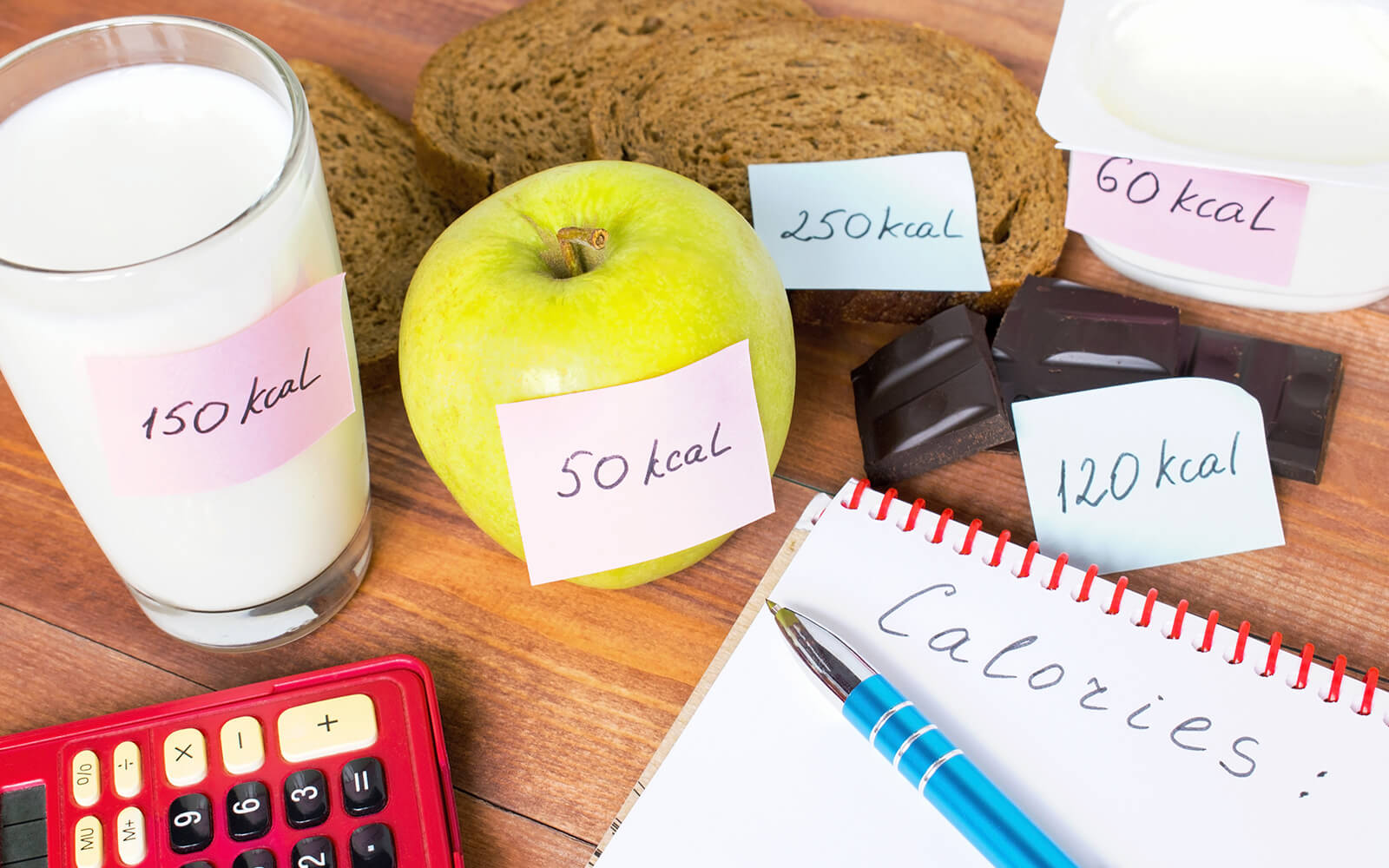
The number of calories you need depends on your goal, but most Nigerians eating “normal” portions are either significantly under or over their target without knowing it.
A grown man training four days a week typically needs between 2,500–3,200 kcal per day to build muscle. A woman doing the same needs roughly 2,000–2,500 kcal. Most people miss this target by 400–700 calories daily, which is enough to completely stall progress.
Nigerian Meals and What They Contain
| Meal | Approximate Calories |
| 3 wraps of eba + egusi soup (medium) | 620 kcal |
| 1 plate jollof rice + 1 piece chicken | 650 kcal |
| Indomie noodles (2 packets) + egg | 500 kcal |
| Beans + plantain (standard buka plate) | 580 kcal |
| Agege bread (3 slices) + groundnut | 480 kcal |
If you’re eating two meals a day from this table, you’re probably landing around 1,100–1,300 kcal. For someone training hard, that’s a deficit so aggressive it’s burning muscle, not just fat.
Are You Eating Enough Protein to Build Muscle?
Most Nigerians are not eating enough protein to support serious gym results. The current evidence-based recommendation for active people is 1.6–2.2g of protein per kilogram of body weight per day. For a 70kg person, that’s 112–154g daily.
A standard buka plate, even one with meat, often delivers only 20–30g of protein. You’d need four to five such meals to hit your target. That’s not practical for most people.
Affordable High-Protein Nigerian Foods
You don’t need protein powder imported from iHerb to hit your protein targets. In fact, here are local options that work just as well:
- Beans (oloyin, brown, black-eyed peas): ~22g protein per cooked cup.
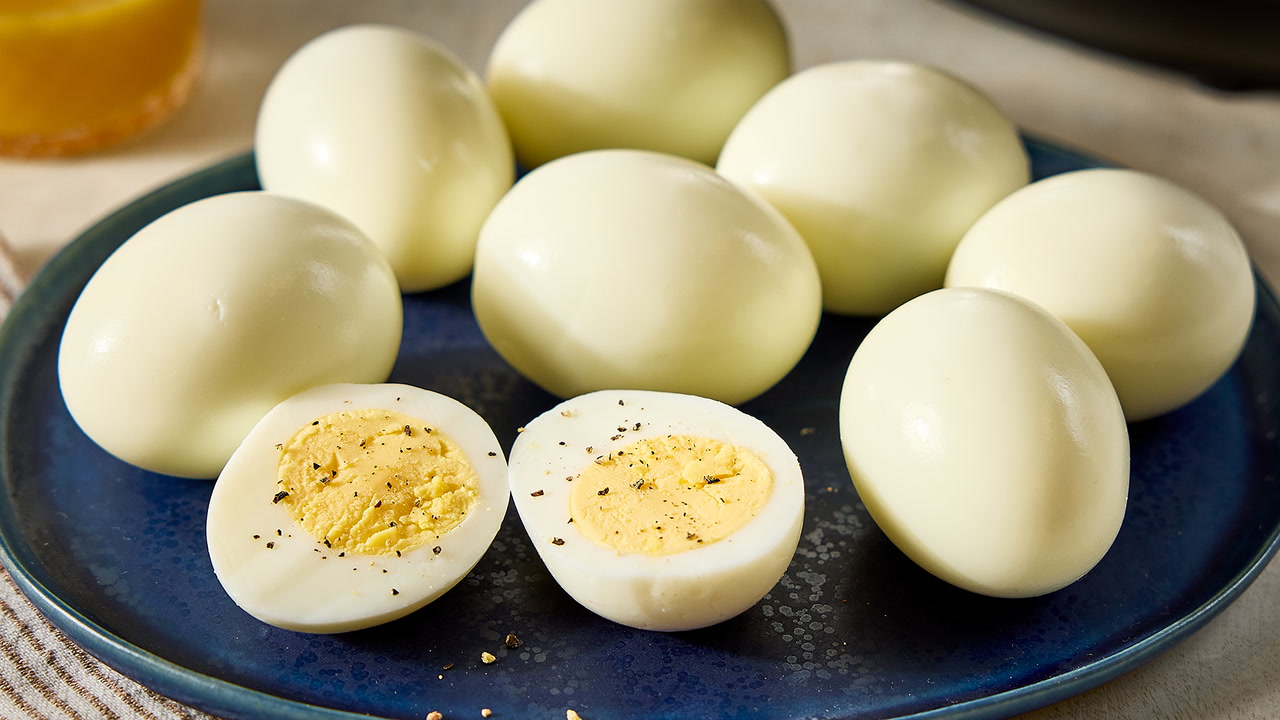
- Eggs: ~6g per egg.
- Dried fish (panla, titus, stockfish): 25–30g protein per 100g serving. Cheap, shelf-stable, and already in most soups.
- Cow liver: 26g protein per 100g, plus iron, B12, and zinc. Often underrated at the gym but genuinely excellent.
- Soy milk / soya powder: 8–10g protein per cup.
Is Eating Less the Reason You’re Not Losing Weight at the Gym?
Paradoxically, yes, eating too little can actually slow or stop weight loss even when you’re training. This is one of the most common and most frustrating patterns I see.
When you eat too little, especially below 1,200 kcal for women or 1,500 kcal for men, your body activates metabolic adaptation. Your thyroid slows down, your hunger hormones spike, and your body becomes ruthlessly efficient at storing fat.
You burn fewer calories even at rest.
Signs You’re Under-Eating
- Constant fatigue, especially after workouts
- Feeling cold most of the time
- Irritability between meals
- Gym performance declining instead of improving
- Weight stuck despite consistent training
The fix isn’t always to eat more of everything, it’s to eat smarter. Specifically, more protein and complex carbs timed around training.
What Should You Eat Before and After the Gym?
Timing matters, but it’s far less complicated than fitness influencers make it seem. Here’s a practical pre- and post-workout nutrition strategy designed around Nigerian food realities:
Step-by-Step: What to Eat Around Your Workout
Step 1 – Pre-workout (1–2 hours before): Eat a meal with complex carbohydrates and moderate protein. For example: a plate of ofada rice with a boiled egg and a small portion of vegetable soup. This keeps blood sugar stable through the session.
Step 2 – During training (if over 60 minutes): Hydrate consistently. For most people, water is sufficient. If you train for 90 minutes or more, coconut water provides natural electrolytes without the sugar load of energy drinks.
Step 3 – Post-workout (within 30–90 minutes): Prioritise protein for muscle repair. Practical options: two to three boiled eggs, a cup of cooked beans with small rice, or plain yoghurt with peanuts. Avoid skipping this window entirely, it’s genuinely important.
Step 4 – Evening meal: Don’t slash calories here thinking it’ll speed up results. Your body still needs fuel for overnight repair. A light but protein-rich dinner, like moi moi works well.
Could Micronutrient Deficiencies Be Ruining Your Progress?
Yes, and this one flies completely under the radar. Micronutrient deficiencies can silently wreck your gym results without triggering any obvious symptoms for months.
Deficiencies in vitamin D, magnesium, and zinc are disproportionately high among young adults in sub-Saharan Africa, all three of which directly affect muscle function, testosterone levels, and recovery speed.
Key Micronutrients for Gym Performance
| Nutrient | What It Does | Nigerian Food Sources |
| Zinc | Testosterone production, immune function | Beef, pumpkin seeds, crab |
| Magnesium | Muscle relaxation, sleep quality | Ugwu, dark leafy greens, nuts |
| Iron | Oxygen delivery to muscles | Liver, red meat, beans |
| Vitamin D | Muscle protein synthesis | Fatty fish, sunlight exposure |
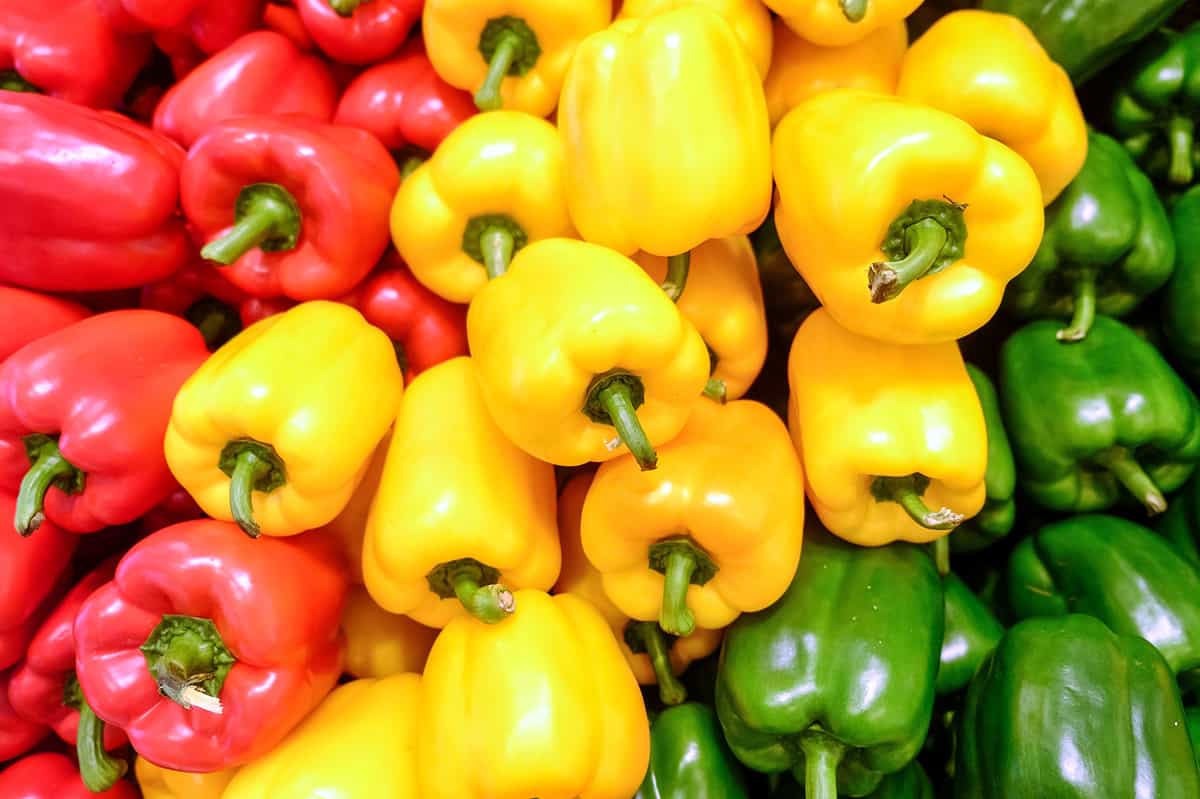
| Vitamin C | Collagen repair, inflammation | Tomatoes, oranges, bell peppers |
Most of these, however, are abundant in traditional Nigerian cooking, especially soups heavy on green vegetables, liver, and assorted meat.
The problem is that many young Nigerians, particularly students and working professionals eating fast food or hostel-cooked Indomie, are bypassing these foods entirely.
Does Eating Late at Night Affect Your Gym Results?
Eating late doesn’t automatically affect your gym results. The total calories and macronutrients you eat across the whole day matter far more than the specific hour you eat them.
However, late-night eating can become a problem in specific ways. If your last meal is large, high in simple carbs, and you sleep shortly after, digestion and sleep quality can interfere with each other.
Poor sleep, in turn, lowers growth hormone release overnight, and that’s when most of your muscle repair happens.
A practical rule: eat your largest carb portions earlier in the day, and keep your last meal lighter and protein-leaning. A cup of warm soya milk or two boiled eggs before bed is fine. A full pot of jollof at midnight, less so.
FAQs
Q: Why are my gym results so slow even though I train consistently?
A: Slow gym results despite consistent training almost always point to a nutrition gap, either too few calories, too little protein, or both. Track what you eat for three days and compare it honestly against your calorie and protein targets.
Q: How much protein do I need per day to build muscle in Nigeria?
A: Aim for 1.6–2.2g of protein per kilogram of your body weight daily. For a 70kg Nigerian man, that’s between 112–154g of protein per day, achievable with beans, eggs, fish, and meat distributed across your meals.
Q: Is it possible to lose weight and build muscle at the same time?
A: Yes, but it’s most effective for beginners and people returning after a break. It requires eating at or very slightly below maintenance calories while hitting high protein targets, not an aggressive deficit, which will cost you muscle.
Q: Can I get good gym results without protein powder?
A: Absolutely. Protein powder is a convenience tool, not a requirement. Nigerian staples like beans, eggs, dried fish, cow liver, and soya products can meet your daily protein needs at a fraction of the cost of imported supplements.