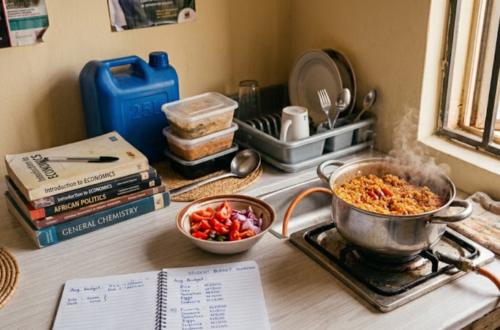



A balanced meal doesn’t have to be expensive. With ₦10,000 and a bit of planning, a single adult can eat nutritious, satisfying food for an entire week in Nigeria, breakfast, lunch, and dinner included.
I know that sounds like a stretch, especially with how prices have been behaving at the market. But it’s genuinely doable. Most people overspend not because healthy food is costly, but because they shop without a plan.
What Does a Balanced Meal Actually Mean?
A balanced meal contains the right proportions of macronutrients, carbohydrates, protein, and fat, alongside micronutrients like iron, zinc, vitamin A, vitamin C, and folate.
You don’t need imported quinoa or Greek yoghurt to hit those targets. Nigerian staples already cover most of it.
For example, a plate of white rice with beans and a small piece of fish gives you carbohydrates, complete protein, omega-3 fatty acids, and B vitamins in one sitting.
That’s a balanced meal. Meanwhile, a plate of jollof rice alone, no matter how perfect the party rice is, isn’t balanced, because it’s mostly carbohydrates with minimal protein or fat.
The goal each day is simple: every meal should contain at least one carbohydrate source, one protein source, and one vegetable or fruit.
Is ₦10,000 Realistic for a Week of Food in 2026?
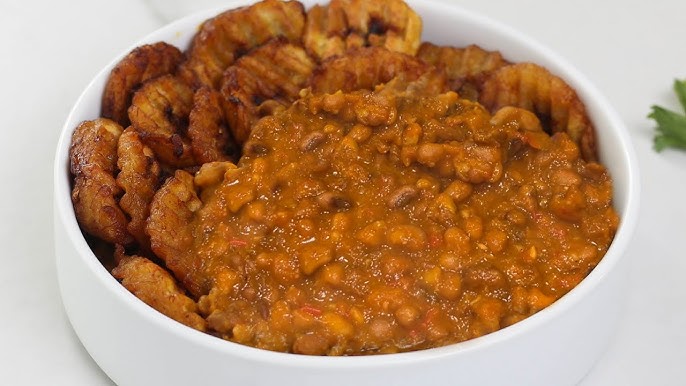
Yes, for one adult eating at home, ₦10,000 covers a week of balanced meals if you shop smart. It breaks down to roughly ₦1,428 per day, or about ₦476 per meal. That’s tight, but workable when you build around affordable protein and bulk staples.
The key is prioritising cheap, nutrient-dense foods. Eggs, beans, crayfish, frozen fish, and offal are some of the most protein-rich foods available in Nigeria, and among the most affordable.
Combine those with rice, oat, garri, or sweet potato as your carbohydrate base, and you’ve already built the skeleton of a functional meal plan.
However, this budget works best for people cooking at home. If you rely on mama put or Chowdeck daily, ₦10,000 won’t stretch as far.
What Should You Buy at the Market?
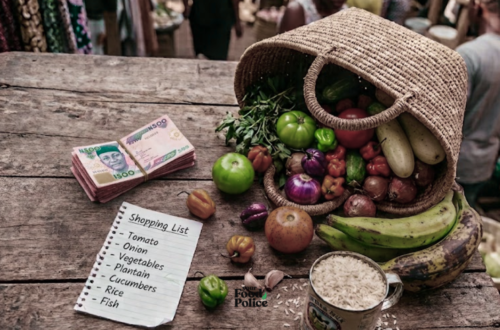
The Shopping List (Total: ~₦9,800–₦10,000)
Here’s a practical market list designed for one adult, one week. Prices reflect Lagos and Ibadan markets in 2026, adjust slightly for your city.
| Item | Quantity | Real Cost |
| Bread | One loaf | 1,600 |
| Rice (parboiled) | Half congo | ₦1,500 |
| Beans (oloyin) | Half congo | ₦1,200 |
| Eggs | 4 pieces | ₦800 |
| Smoked fish | 2 pieces | ₦1,000 |
| Tomatoes, pepper, onion | Enough to make stew | ₦1,400 |
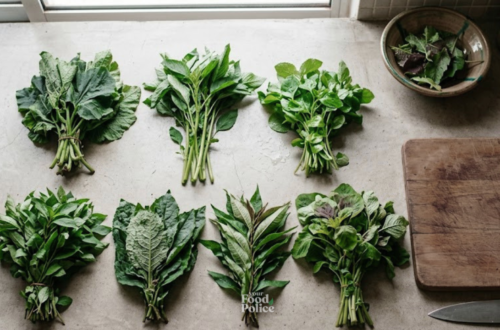
| Spinach/waterleaf | 1 bunch | ₦400 |
| Palm oil | Half bottle | ₦1000 |
| Crayfish | 50g | ₦300 |
| Seasoning, salt, misc | — | ₦300 |
| Sweet potato | 3 pieces | ₦500 |
| Total | ~₦10,000 |
This list gives you enough raw material for 21 meals. You’ll repeat some combinations, and that’s intentional. Repetition is the backbone of budget meal planning.
The Framework
You don’t need a different dish every single day. Instead, build around 4-5 core meals that rotate across the week. This reduces waste, saves time, and keeps your budget tight.
Your staples are rice, beans, eggs, and sweet potatoes. Your proteins rotate between fish, eggs, and beans. Your vegetables change slightly, waterleaf one day, tomato stew the next.
How Do You Get Enough Protein Without Meat?
Plenty. In Nigeria, lean protein doesn’t have to mean chicken breast or beef. On a ₦10,000 budget, your best protein sources are eggs, beans, crayfish, and fish, and together, they cover your daily protein needs comfortably.
According to the Food and Agriculture Organisation (FAO), adult protein requirements sit at roughly 0.8g per kilogram of body weight per day. For a 65kg adult, that’s about 52g of protein daily. One large egg provides about 6g of protein. A cup of cooked beans contributes roughly 15g. A medium piece of titus fish adds another 20-25g. So a day with eggs at breakfast, beans at lunch, and fish at dinner already hits the target.
Additionally, crayfish is underrated as a protein booster. Two tablespoons add around 5–6g of protein, along with calcium and iron. Most Nigerians already use it in cooking, it just doesn’t get credit as a protein source.
What Micronutrients Should You Watch on a Budget Meal Plan?

Iron and Vitamin C
Iron deficiency is the most common nutrient deficiency in Nigeria, particularly among women. A 2020 study published in the Annals of Global Health found that anaemia affects nearly 35% of Nigerian women of reproductive age. Beans, crayfish, and dark leafy vegetables like efo tete, however, are all good sources of non-haem iron.
However, non-haem iron (from plants) absorbs better alongside vitamin C. So, pairing your bean dish with a small tomato or a squeeze of lime dramatically improves how much iron your body actually absorbs.
Vitamin A
Sweet potato is one of the richest sources of beta-carotene (which your body converts to vitamin A) in the entire Nigerian food supply. One medium sweet potato covers more than 100% of your daily vitamin A needs. Palm oil is another local source. Both are already in this meal plan, and both are inexpensive.
Zinc and B Vitamins
Crayfish, eggs, and fish all provide zinc (which supports immunity and wound healing) and B vitamins, particularly B12, which most plant foods lack. If you’re eating eggs and fish a few days a week, your B12 needs are covered without supplementation.
How Do You Avoid Food Waste on This Budget?
Step-by-Step: Cook Once, Eat Multiple Times
Wasting food on a tight budget is the fastest way to blow the plan. Here’s how to stretch your ingredients across the week:
- Cook rice in bulk on Day 1. Make enough for 2-3 days. Refrigerate in a covered bowl and reheat as needed.
- Cook beans in bulk on Day 2. Beans take time, so cook a large pot and store in portions. You can use the same batch for bean porridge and rice-and-beans across several days.
- Make a base stew on Day 1. Blend and fry tomatoes, pepper, and onion together. Divide into portions. Use one portion with fish one day, add spinach the next, or serve plain over rice.
- Boil your eggs in batches. Hard-boil three at a time rather than cooking one egg each morning. Boiled eggs last 3-4 days in the fridge (or a cool spot if no fridge).
- Use your fish wisely. Break one large titus fish into portions across two meals rather than eating a full piece per sitting.
- Store leafy vegetables properly. Wrap waterleaf or spinach in a dry cloth or paper bag and store in a cool place. This keeps them fresh for 2-3 days without a fridge.
- Don’t let stew sit too long. If you made a big pot of stew, reheat it completely once a day to prevent spoilage, especially in the heat.
Is This Meal Plan Nutritionally Complete?
Mostly, yes. This plan consistently provides carbohydrates, protein, fat, iron, vitamin A, vitamin C, zinc, and B vitamins. However, a few gaps are worth knowing about.
Calcium is lower than ideal, since there’s no dairy in this plan. Crayfish contributes some calcium, but if calcium is a concern, especially for young women or growing students, adding a small amount of sardines (with bones) once or twice a week within your budget would help significantly.
Furthermore, calorie intake on this plan sits between 1,800 and 2,200 kcal per day depending on portion sizes, which is appropriate for most sedentary to lightly active adults. If you’re training hard or doing physical labour, you’ll want to increase your portion of rice, sweet potato, or add groundnuts as a snack to push calories up without increasing cost much.
FAQs
Q: Can you actually eat healthy on ₦10,000 a week in Nigeria?
A: Yes. One adult can eat three balanced meals a day on ₦10,000 if they shop at local markets, cook at home, and build their plan around affordable staples like rice, beans, eggs, and fish. The key is planning before you buy, not guessing at the market.
Q: What is the cheapest source of protein in Nigeria right now?
A: Beans and eggs are currently the most affordable high-protein foods in Nigeria. A kilogram of beans costs around and provides multiple high-protein servings. One egg costs roughly ₦200 and gives 6g of complete protein, making it one of the best value-for-money foods available.
Q: Is a balanced meal the same as a diet?
A: No. A balanced meal is simply one that contains a mix of carbohydrates, protein, fat, and micronutrients in appropriate proportions. A diet, in the clinical sense, refers to a specific eating pattern designed for a particular health goal. Balanced eating is a daily habit, not a temporary restriction.
Q: How do you make a meal plan work when you have no fridge?
A: Cook in smaller batches more frequently to reduce storage time. Focus on staples that don’t require refrigeration, garri, oats, dried beans, crayfish, and onions all keep well at room temperature. For cooked food, eat within a few hours and prioritise reheating anything you plan to keep overnight.