





The cheapest vegetables in Nigeria are also some of the most nutritious ones.
Ugwu (fluted pumpkin leaf), waterleaf, scent leaf, and bitter leaf consistently give you the highest nutritional return per naira spent, making them the smartest choices whether you’re cooking on a student budget or feeding a household of five.
What Makes a Vegetable “Worth It” Nutritionally?
A vegetable earns its place on your plate by delivering meaningful amounts of micronutrients, fibre, and phytocompounds relative to its caloric weight and cost.
A high-value vegetable should give you iron, calcium, vitamins A or C, folate, or protein, without costing you ₦500 for a small bunch.
Most cheap vegetables Nigeria markets sell are leafy greens, and leafy greens happen to be among the most nutrient-dense foods on earth.
These plants evolved to have lots of nutrients in their leaves to attract beneficial insects and protect themselves from the environment. The result is that they are nature’s most affordable multivitamin.
Top 7 Cheap Vegetables in Nigeria That Give You the Most Nutrition?
These seven vegetables consistently rank highest when you compare nutrition with naira. They’re available in markets across Lagos, Ibadan, Abuja, Port Harcourt, and most medium-sized towns nationwide.
1. Ugwu (Fluted Pumpkin Leaf)
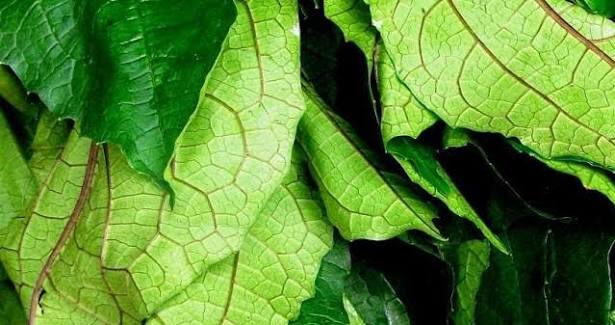
Ugwu is arguably the most complete vegetable in everyday Nigerian cooking.
According to nutritional profiling published on food composition research for Telfairia occidentalis, ugwu leaves provide protein, iron, potassium, calcium, magnesium, and vitamins A, C, K, and E in a single bunch. That is a remarkable range for one ingredient.
For context, the iron content covers about 13% of an adult woman’s daily requirement from a single handful of leaves.
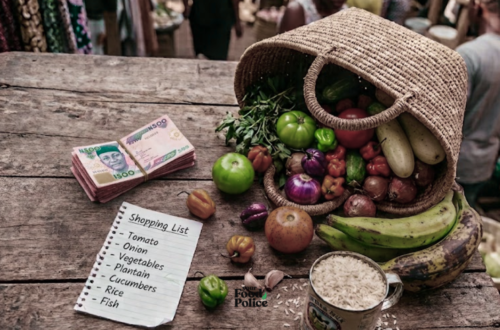
Market price in Lagos and Ibadan runs between ₦200 and ₦500 per bunch, depending on size and season. One bunch is typically enough for a pot of egusi or ofe onugbu, meaning your micronutrient investment per meal is under ₦300.
Ugwu also contains cucurbitacins, a group of triterpenoid compounds with documented anti-inflammatory properties. This is not folk medicine, these are compounds studied in laboratories and published in peer-reviewed journals.
If you eat one meal featuring ugwu per week, you’re getting meaningful contributions of iron, vitamin C, and calcium without spending more than you’d spend on a bottle of water.
2. Waterleaf (Talinum Triangulare)
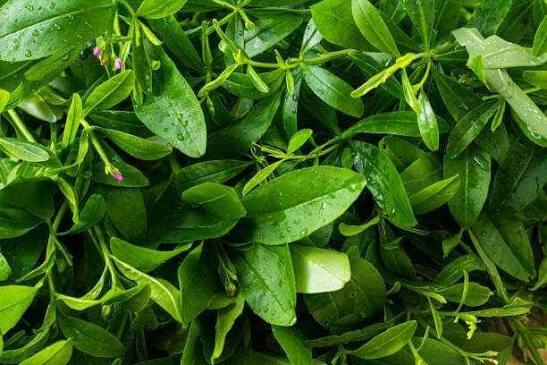
Waterleaf is everywhere in southern Nigerian markets, and it’s frequently the cheapest green on the table, sometimes ₦200 to ₦400 per bundle. Its reputation as a “cheap vegetable” undersells it significantly.
Waterleaf is particularly high in calcium, making it one of the better plant-based calcium sources for Nigerians who don’t consume much dairy.
When used in edikaikong or afang, alongside other vegetables, waterleaf contributes a meaningful share of the meal’s calcium content. It also contributes protein, vitamin C, and iron.
One practical note: waterleaf is about 92% water by weight. It wilts dramatically when cooked. Buy twice as much as you think you need.
3. Scent Leaf (Efirin / Nchuawu)
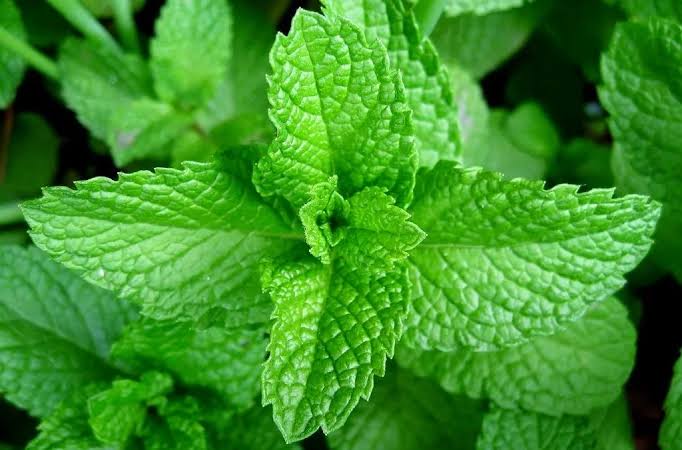
Scent leaf is used as a flavouring herb in most Nigerian kitchens, which means most people underestimate how much nutrition it contributes.
Research on the mineral and phytochemical composition of Ocimum gratissimum confirms it contains calcium, iron, phosphorus, potassium, magnesium, zinc, and vitamin A, along with eugenol and other bioactive compounds with documented antimicrobial properties.
When scent leaf is added in meaningful quantities to pepper soup, ofe akwu, or native jollof, it is doing two things at once: flavouring the meal and contributing micronutrients.
A handful of fresh scent leaves at any market in Nigeria costs ₦100 to ₦200. Per-naira nutritional value is excellent.
4. Bitter Leaf (Onugbu / Ewuro)
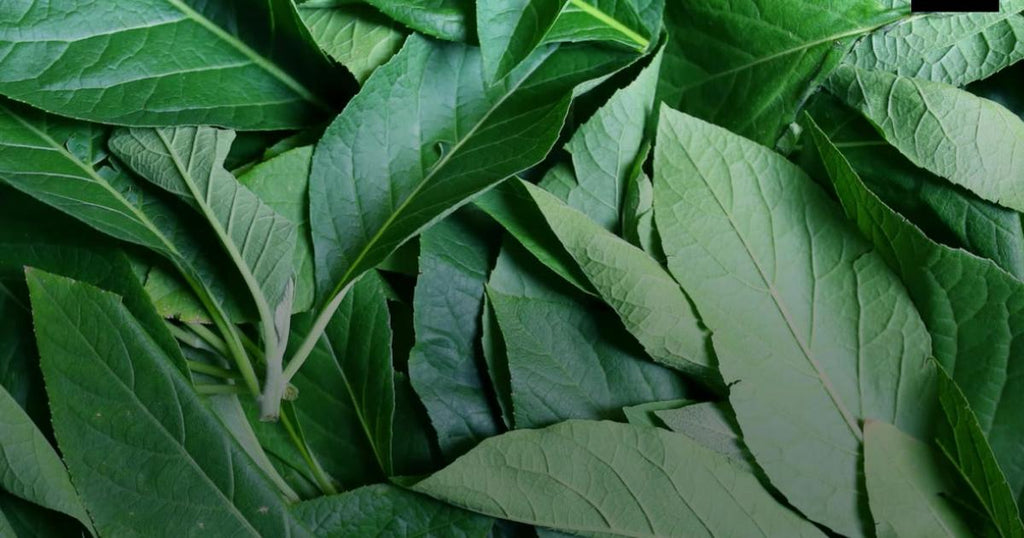
Bitter leaf gets its flavour from andrographolide and related bitter compounds.
These same compounds are the reason it shows up repeatedly in scientific literature on liver protection and blood sugar regulation.
Multiple published studies, including research available through the National Centre for Biotechnology Information, have documented the hepatoprotective properties of Vernonia amygdalina leaf extract, showing its potential to protect liver cells from damage.
Beyond its bioactive content, bitter leaf provides iron, calcium, and vitamin C. The washing and squeezing process used in traditional Nigerian cooking does reduce some water-soluble vitamins, so leaving a little bite in your onugbu soup preserves more of the nutritional value.
5. Ewedu (Jute Leaf / Corchorus)
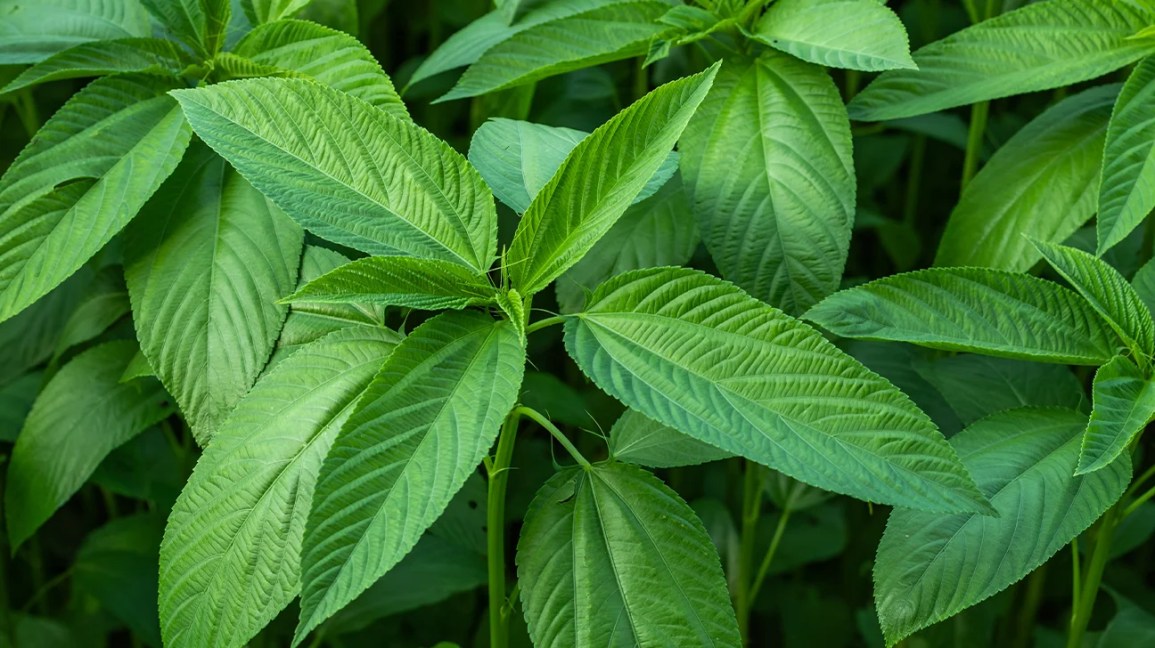
Ewedu is consumed mostly in Yoruba households but deserves far wider adoption based purely on its nutritional profile. It is one of the best plant sources of folate available in Nigeria, providing approximately 123mcg per 100g.
Folate is critical for cell division, DNA synthesis, and is especially important during pregnancy. WHO recommends 400mcg of folate daily for women of reproductive age, and a generous serving of ewedu gets you nearly a third of the way there.
Ewedu also provides calcium, iron, and beta-carotene. Its mucilaginous texture is its defining cooking characteristic, used to thicken soups, and that very mucilage contains soluble fibre that slows glucose absorption and supports gut health.
At ₦150 to ₦400 per bunch, ewedu is one of the most underrated nutritious vegetables Nigeria has to offer.
6. Uziza Leaf
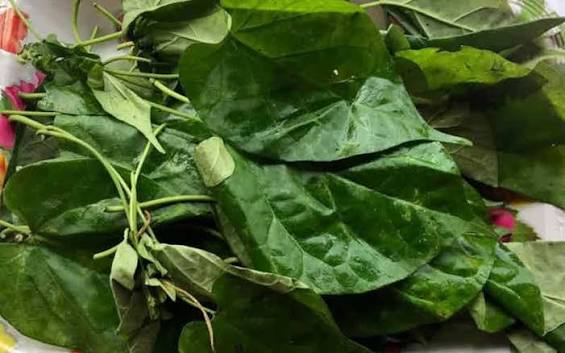
Uziza is primarily used in soups like ofe akwu and pepper soup in southeastern Nigeria, but it has good nutritional value.
It’s a rich source of vitamins A and C, and contains alkaloids with documented anti-inflammatory and analgesic effects in research published by Nigerian university pharmacology departments.
It is typically sold fresh or dried. Fresh uziza in Port Harcourt or Asaba markets runs ₦100 to ₦300 per bunch. The dried version is more concentrated but less vitamin-rich.
7. Spinach (Green Amaranth / Tete)
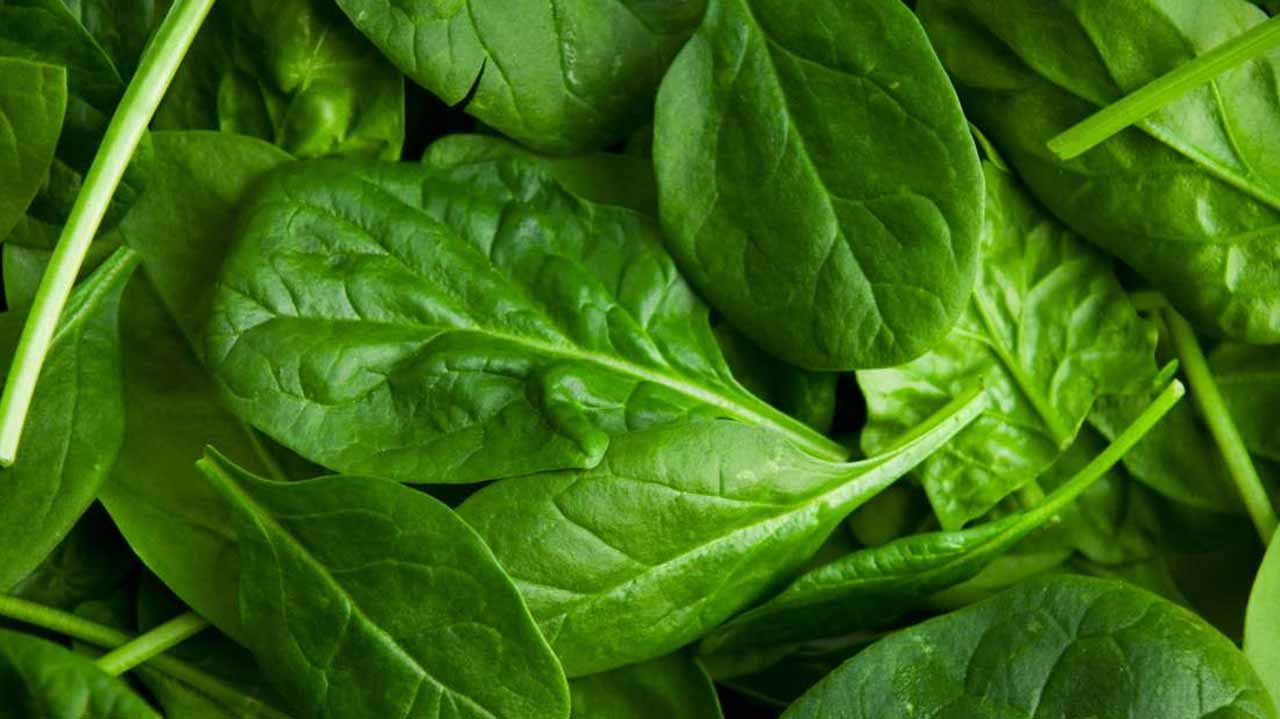
What Nigerians call “green” or tete is often a variety of amaranth greens, not the Western spinach sold in supermarkets. It’s widely available, cheap at ₦300 to ₦500 per bunch, and one of the better sources of iron, calcium, and vitamin K in everyday markets.
Cheap Vegetables Nigeria Markets Sell, Ranked by Nutritional Value Per Naira
| Vegetable | Avg. Price (2026) | Iron (per 100g) | Calcium (per 100g) | Vitamin C (per 100g) | Key Strength |
| ugwu | ₦200-₦500/bunch | 2.4mg | 103mg | 85mg | Iron + Vitamin C combo |
| Ewedu | ₦150-₦400/bunch | 2.3mg | 97mg | 36mg | Highest folate |
| Waterleaf | ₦200-₦400/bundle | 1.8mg | 233mg | 22mg | Best plant calcium |
| Bitter Leaf | ₦100-₦300/bunch | 2.0mg | 81mg | 30mg | Bioactive + liver support |
| Scent Leaf | ₦100-₦200/handful | 3.7mg | 210mg | 14mg | Iron + antimicrobials |
| Tete/Amaranth | ₦200-₦500/bunch | 2.0mg | 215mg | 41mg | Calcium + vitamin K |
| Uziza | ₦100-₦300/bunch | 1.6mg | 56mg | 18mg | Anti-inflammatory compounds |
Note: Nutritional values are approximate based on published literature and vary by growing conditions and cooking method.
How to Get the Most Nutrition from These Cheap Vegetables Nigeria Markets Offer
Buying the right vegetables is only half the work. How you cook them determines what nutrients actually reach your body.
- Don’t overcook. Waterleaf and ewedu need only 3 to 5 minutes of cooking. The longer they boil, the more vitamin C and folate you lose.
- Add oil. Beta-carotene in ugwu, uziza, and ewedu is fat-soluble. Without palm oil, red oil, or any dietary fat, your body absorbs very little of it. This is one reason Nigerian cooking with palm oil is nutritionally smarter than it’s often given credit for.
- Don’t wash after cutting. Cutting vegetables then washing them loses water-soluble vitamins (B vitamins, vitamin C) through the cut surfaces. Wash, then cut.
- Use the cooking water. When waterleaf, tete, or ewedu is boiled and that water is poured away, you lose significant minerals. If your recipe allows, use it as soup base.
- Combine iron sources with vitamin C sources. Your body absorbs iron from plant foods (non-haem iron) poorly on its own. ugwu, which contains both iron and vitamin C in the same leaf, is ideal. Alternatively, adding tomatoes or fresh pepper to a bitter leaf or waterleaf soup boosts iron absorption from those vegetables.
Are Fresh or Dried Vegetables More Nutritious?
For most of these vegetables, fresh beats dried on vitamin C and folate content, but dried versions concentrate minerals like iron and calcium per gram. The practical answer is: use fresh when you can get it, dried when fresh isn’t available or practical.
Dried uziza, crayfish, and stockfish combinations in Nigerian soups are nutritionally rational because the mineral concentration in dried ingredients partly compensates for what the fresh vegetables give up in water-soluble vitamins.
How Much of These Vegetables Should You Actually Eat?
The WHO recommends a minimum of 400g of fruits and vegetables per day, spread across at least five portions. Most Nigerian adults fall well short of this based on dietary surveys conducted by the Nigerian Institute of Medical Research.
In practical terms, one large serving of ugwu soup, one bowl of ewedu and gbegiri, and one portion of tete stir-fried across a day gets you close to that target without any expensive or exotic ingredients.
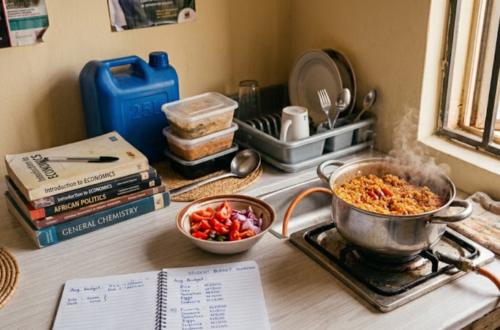
If you’re cooking at home in a hostel or a flat with a two-burner gas cooker, these vegetables are your most reliable allies. A ₦500 budget for vegetables can realistically cover two days of nutritionally complete side dishes.
FAQs
1. Which is the most nutritious vegetable in Nigeria?
Ugwu (fluted pumpkin leaf) is widely considered the most nutritionally complete, offering iron, calcium, vitamin C, beta-carotene, and protein in a single bunch. It is also one of the most widely available and affordable vegetables in Nigerian markets year-round.
2. Are cheap vegetables in Nigeria safe to eat raw?
Some, like waterleaf and scent leaf, can be eaten raw if properly washed, but most are traditionally cooked. The main safety concern is pesticide residue and contamination from dirty irrigation water, so thorough washing under clean running water before cooking is essential.
3. Which Nigerian vegetable is best for anaemia?
A: Ugwu and scent leaf are the best choices for iron intake, but combine them with vitamin-C-rich ingredients like tomatoes or peppers to maximise how much iron your body actually absorbs. Bitter leaf and ewedu also contribute meaningful iron per serving.
4. What is the cheapest nutritious vegetable in Nigeria?
A: Waterleaf and tete (amaranth greens) are consistently the cheapest nutritious vegetables in Nigerian markets, often available for ₦100 to ₦200 per bundle. Both are high in calcium and iron and are versatile enough for soups, stir-fries, and salads.