







It depends on the type of workout and your personal goals.
For most Nigerians doing moderate morning exercise, eating a light meal or snack 30 to 60 minutes before your workout gives you better energy and performance.
But if you’re doing a short, low-intensity session and your goal is fat loss, training fasted can also work. There is no single correct answer, and this article will help you figure out what works for your body and your schedule.
Does Eating Before a Workout Actually Improve Performance?
Yes, it does, for most people and most workout types. Food is fuel. When you wake up after 7 to 8 hours of sleep, your glycogen stores (the energy your muscles rely on for intense exercise) are partially depleted.
Eating before a workout replenishes those stores and gives your muscles something to work with.
The International Society of Sports Nutrition’s position stand on nutrient timing confirmed that pre-exercise carbohydrate and protein intake can meaningfully support performance and body composition improvements.
If your morning workout is a serious gym session, a long run, or a football match at the community pitch, eating beforehand makes a measurable difference.
Does This Mean You Must Eat Before Every Workout?
No. For sessions under 45 minutes or low-intensity activities like a brisk walk, a gentle yoga flow, or a light jog, your body can usually rely on stored glycogen and fat without needing fresh fuel first. The stakes are lower, and many people do these sessions comfortably on an empty stomach.
What Happens to Your Body When You Work Out on an Empty Stomach?
When you exercise fasted, your body shifts toward using stored fat as fuel rather than carbohydrates from food. This sounds appealing, and it’s why fasted cardio became popular in fitness circles. The reality is a bit more nuanced.
A 2016 meta-analysis published in the British Journal of Nutrition confirmed that fasted exercise burns a higher percentage of fat during the session itself.
However, a separate systematic review and meta-analysis published in the Journal of Functional Morphology and Kinesiology found that performing exercise in a fasted state did not influence total weight loss or changes in fat mass when compared to fed exercise.
Total calorie balance across the day is what matters most.
The risk with fasted training is intensity drop-off. Many people feel fine during a light run but hit a wall the moment they try to do a HIIT circuit or heavy compound lifts without eating first. If that’s you, eat something small before your workout.
Can Fasted Workouts Cause Muscle Loss?
This is the question everyone in the gym is asking.
Short-term fasted cardio in the morning is unlikely to cause significant muscle breakdown for most people.
The concern becomes more relevant if you’re already in a large caloric deficit, training for a long time, or not hitting your daily protein targets.
If muscle retention is your goal, make sure your overall daily protein intake is adequate (1.6 to 2.2g per kg of body weight is the current evidence-based recommendation) and don’t rely on a single fasted session to define your outcomes.
What Should You Eat Before a Morning Workout in Nigeria?
The best pre-workout meal is one that’s easy to digest, moderate in carbohydrates, and not so heavy that it sits in your stomach like a stone. Here are practical Nigerian options:
- Akara and pap is genuinely one of the best pre-workout combinations you probably aren’t thinking about. Akara provides protein and a small amount of fat, while ogi (pap) is a fast-digesting carbohydrate that hits your bloodstream cleanly. A light serving 45 to 60 minutes before your session works well.
- Bread with groundnut (not a full bottle, just a handful) works well for students in hostels and people in a rush. The carbs in bread give you energy; the fat and protein in groundnut slow digestion just enough to give you sustained energy through a moderate session.
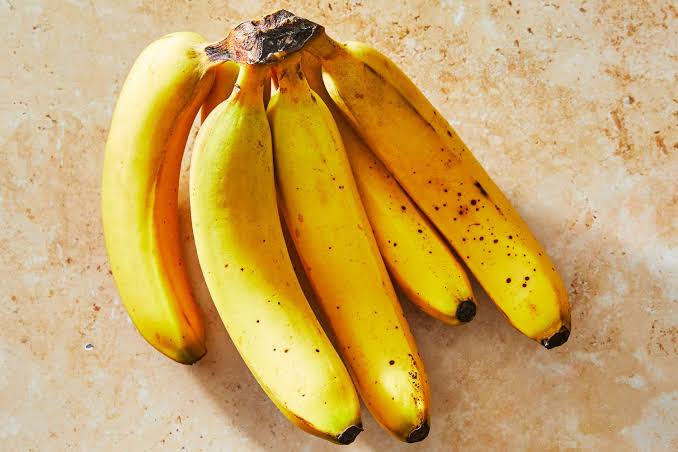
- A ripe banana with a small cup of soy milk is another option that many Nigerian gym-goers overlook. Bananas are high in fast-digesting carbohydrates and potassium, and soy milk gives you a small protein hit before you train.
- If you have more time and you’re preparing for a longer session, oats with warm water or milk and a sprinkle of groundnuts gives you complex carbohydrates for sustained energy plus some protein.
What Foods Should You Avoid Before a Morning Workout?
Avoid anything that’s high in fat, very spicy, or heavy. This isn’t the time for a full plate of egusi soup and eba. High-fat meals slow gastric emptying, which means food stays in your stomach longer and can cause cramping, nausea, or bloating mid-session.
Spicy food can irritate your stomach when you’re working hard and breathing heavily.
Also avoid large portions of beans before training, even though beans are nutritious. The gas and bloating they tend to cause in some people can make any physical activity uncomfortable.
Pre-Workout vs Post-Workout Eating: Which One Matters More?
| Factor | Pre-Workout | Post-Workout |
| Primary goal | Energy and performance | Recovery and muscle repair |
| Key nutrient | Carbohydrates | Protein + Carbohydrates |
| Timing window | 30 to 90 mins before | Within 30 to 60 mins after |
| Consequences of skipping | Reduced performance, fatigue | Slower recovery, reduced muscle gain |
| Priority for fat loss | Lower | Higher |
| Priority for muscle gain | Moderate | High |
Both matter, but if you had to choose one to optimise first, post-workout nutrition has a slight edge for body composition goals.
The anabolic window, the period when your muscles are especially receptive to nutrients, is real, though it’s wider than the “eat within 30 minutes or lose your gains” narrative suggests.
What Should You Eat After a Morning Workout?

Your post-workout meal should combine protein for muscle repair and carbohydrates to replenish glycogen. Nigerian food is actually excellent for this, and most people don’t realise it.
1. Eggs and yam is a powerhouse post-workout combo. Two to three eggs scrambled provides roughly 12 to 18g of protein. A medium portion of boiled yams gives you easily digestible carbohydrates. This is a meal you can make in under 15 minutes.
2. Rice and fish, the everyday Nigerian staple, works perfectly here. White rice is a fast-digesting carbohydrate that spikes glycogen replenishment, and fish (tilapia, catfish, croaker) is a complete protein source.
3. Moi moi with a side of rice is another underrated post-workout meal. Moi moi made properly is a concentrated source of protein from beans, and the combination with rice covers your carbohydrate needs.
4. If you’re in a rush and can’t cook, a cup of powdered milk mixed in water with a banana is a fast, accessible recovery option before you jump into your morning obligations.
How Does Timing Your Workout Meals Work in Practice?
Here’s a simple framework to follow:
- Wake up and assess how much time you have before training.
- If you have 60 to 90 minutes before your workout, eat a moderate-sized pre-workout meal such as oats with milk, or akara and pap.
- If you have 30 minutes or less, eat something small and fast-digesting like a banana or two slices of bread with a small handful of groundnut.
- If you’re training in under 20 minutes and your session is under 45 minutes at low-to-moderate intensity, you can train fasted without performance loss.
- After your workout, eat a protein-and-carbohydrate meal within 60 minutes. Don’t skip this.
- Stay hydrated throughout. Sweat during exercise counts as water loss, and dehydration compounds fatigue. A bottle of water before, during, and after your session is non-negotiable.
Does Eating Before a Workout Help With Weight Loss?
Not directly. Whether you eat before a workout or train fasted, weight loss ultimately comes down to your total caloric intake across the day.
As this meta-analysis in the Journal of Functional Morphology and Kinesiology showed, body composition changes from exercise are similar regardless of whether you train fasted or fed, once overall caloric intake is accounted for.
What eating before a workout does is help you train harder, which increases the total calories burned. If fasting before your session means you jog at 60% of your capacity instead of 85%, you’ve potentially undercut any advantage the fast was supposed to give you.
Is It Safe to Work Out on an Empty Stomach Every Day?
For most healthy adults doing moderate exercise, occasional fasted training is safe. Doing it daily long-term depends on your overall dietary intake, training intensity, and individual response.
If you regularly feel dizzy, nauseous, or unusually fatigued during fasted sessions, that’s your body signalling that it wants fuel first.
People with diabetes, hypoglycaemia, or anyone on medications that affect blood sugar should not train fasted without guidance from a doctor or dietitian. Low blood sugar during exercise can become dangerous quickly.
FAQs
1. Should I eat before or after my morning workout for weight loss?
Either approach can support weight loss, as it depends on your total daily calorie intake, not just workout timing. If eating a small snack before your session helps you train harder and longer, it may lead to more calories burned overall.
2. What is the best food to eat 30 minutes before a workout in Nigeria?
A ripe banana, two slices of bread with groundnut, or a cup of pap with akara are all practical, affordable options. These are fast-digesting enough to give you energy without causing stomach discomfort during exercise.
3. Is it bad to work out on an empty stomach in the morning?
Not necessarily. For light to moderate sessions under 45 minutes, fasted training is safe for most healthy adults. However, if you’re doing intense exercise like heavy lifting or HIIT, eating something small beforehand will likely improve your performance.
4. How long after a workout should I eat?
Try to eat a meal or snack combining protein and carbohydrates within 30 to 60 minutes after finishing your workout. This window supports muscle recovery and glycogen replenishment, especially if your next meal is still hours away.