







Yes, several Nigerian foods can replace the effects of common gym supplements, and some of them cost less than a plate of rice.
Watermelon, beetroot, banana, groundnut, and kolanut all deliver the same nutrients- citrulline, nitrates, potassium, protein, and caffeine that supplement companies charge thousands of naira for in powder form.
That doesn’t mean every supplement is useless; your kitchen already stocks a working alternative to most of them, and I’ll show you exactly which food does what.
Do Nigerian Foods Actually Work as Gym Supplements?
For pre-workout energy and everyday protein needs, yes.
For highly specific goals like maximum-dose creatine loading, whole foods can’t fully match a lab-measured powder, but they get you most of the way there for free.
The trick is knowing which food replaces which product, and eating it at the right time. That’s what the rest of this article covers, food by food.
Food supplements work by delivering concentrated amounts of a specific compound, caffeine, nitrate, citrulline, or amino acids.
Whole Nigerian foods carry the same compounds, just with extra fibre, water, and micronutrients attached. As a result, you get the performance boost plus a fuller, more filling meal.
Foods That Can Replace Gym Supplements
- Watermelon
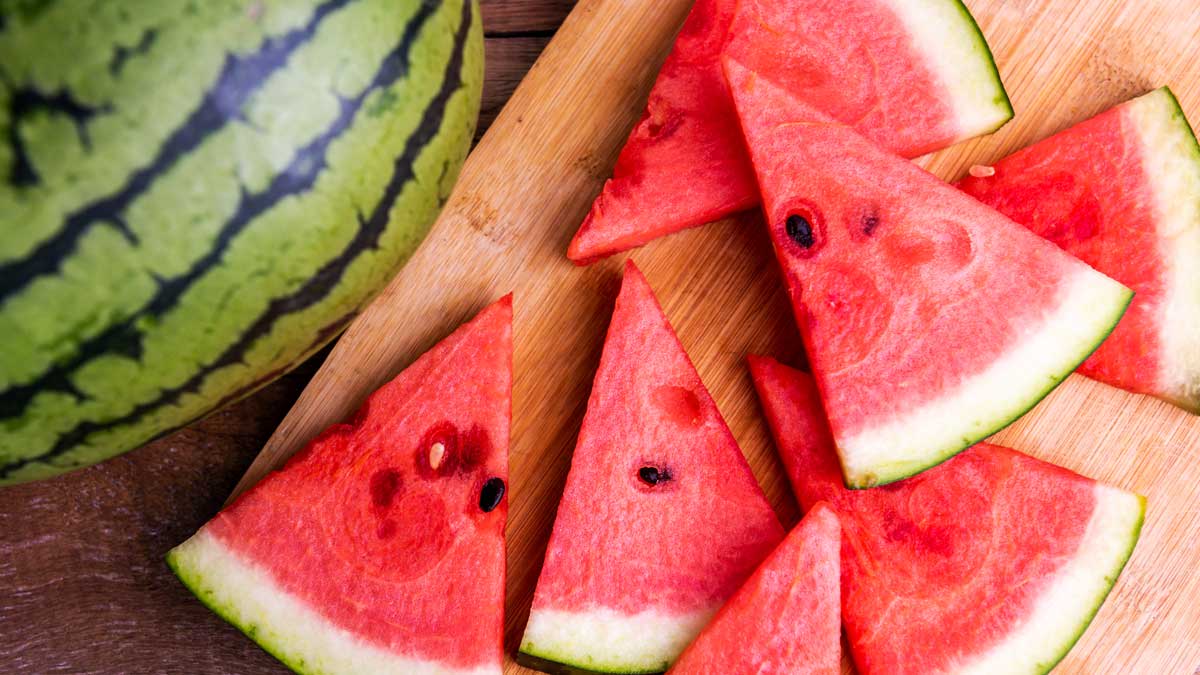
Watermelon can partly replace a nitric-oxide pre-workout because it’s naturally loaded with L-citrulline, the amino acid many pre-workout blends list as their main active ingredient.
A 2016 human trial found that 16 days of watermelon juice supplementation raised plasma citrulline and nitrite levels and improved muscle oxygenation during exercise.
For context, one medium slice of watermelon (about 280g) contains close to 250mg of citrulline. Blend two cups of chilled watermelon with a squeeze of lime 30- 40 minutes before your session, and you’ll get a natural, cooling version of what a pre-workout tub promises.
A medium watermelon costs roughly ₦1,000 -₦1,800 in most markets right now, which stretches across four to five workout sessions.
However, the same study found no significant improvement in time-to-exhaustion, so don’t expect miracles. Watermelon supports blood flow and recovery more reliably than it boosts raw endurance.
- Beetroot
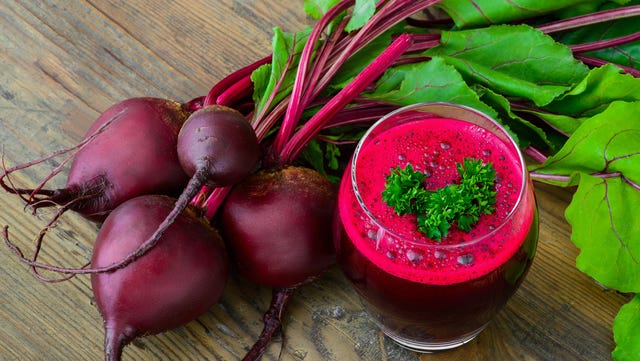
Beetroot works because it’s rich in dietary nitrate, which your body converts into nitric oxide, the same pathway most “NO booster” supplements target.
A widely cited review found that nitrate supplementation, usually from beetroot juice, reduces the oxygen cost of submaximal exercise and can improve high-intensity endurance performance.
Beetroot isn’t a traditional Nigerian staple, but it’s now common in Lagos, Abuja, and Port Harcourt supermarkets.
Juice one medium beetroot with an apple and a knob of ginger, and drink it two to three hours before training, nitrate needs time to convert in the body.
Meanwhile, a newer meta-analysis found beetroot juice speeds up strength recovery and reduces muscle soreness in the days after a hard session. That makes it as useful post-workout as it is pre-workout.
- Banana
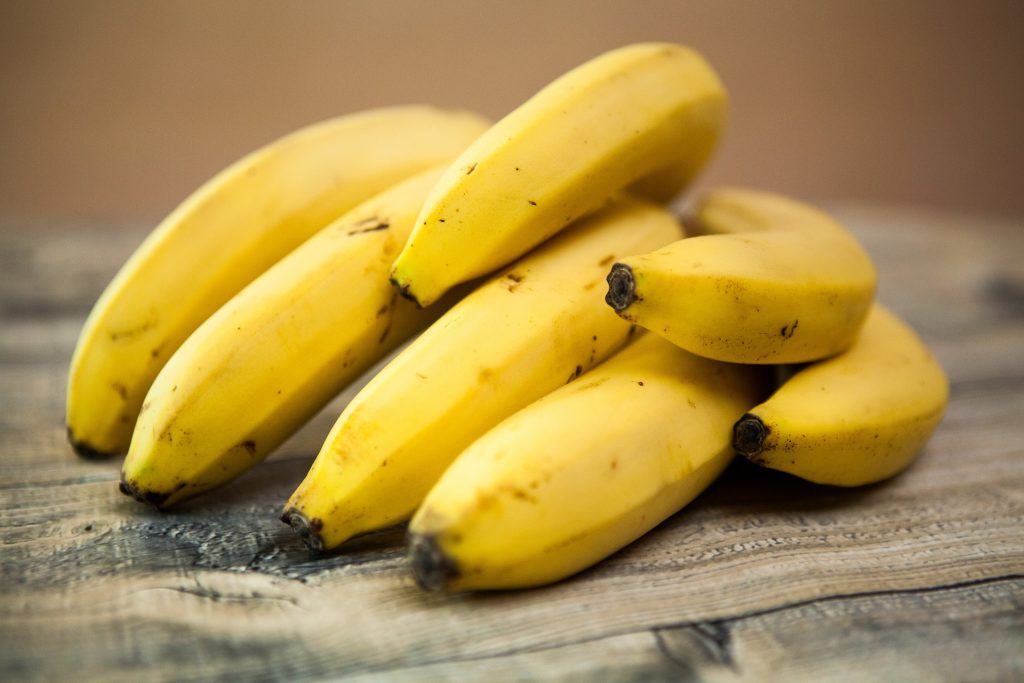
Banana is one of the best natural pre-workout snacks in Nigeria because it delivers fast carbohydrates plus potassium in one cheap, portable package.
In a controlled study, participants who ate bananas before extended exercise improved their time to exhaustion by 16 to 18 minutes compared to a placebo.
One thing to clear up, though: bananas don’t reliably prevent muscle cramps, despite the popular belief.
The same research shows plasma potassium6 rises only slightly after eating one, which isn’t enough to stop a cramp mid-workout. What banana does well is fuel your muscles with quick-release sugar before you lift or run.
Eat one to two ripe bananas 30 minutes before training. A bunch costs around ₦1,000 -₦1,500 in most local markets, and each bunch covers a full week of pre-workout snacks.
- Kolanut

Kolanut can genuinely replace a caffeine-based pre-workout, since it contains roughly 2% to 3% caffeine by weight, similar to or higher than coffee beans. That caffeine sharpens focus and delays fatigue the same way a scoop of imported pre-workout powder does.
Chew half a kolanut about 20 to 30 minutes before your session, especially for early-morning gym runs when you need alertness fast. A single nut sells for as little as ₦50 -₦150 at most markets or from roadside sellers.
On the other hand, kolanut also contains theobromine and tannins, which can upset an empty stomach. Start with a small piece and see how your body responds before you rely on it daily.
- Groundnut
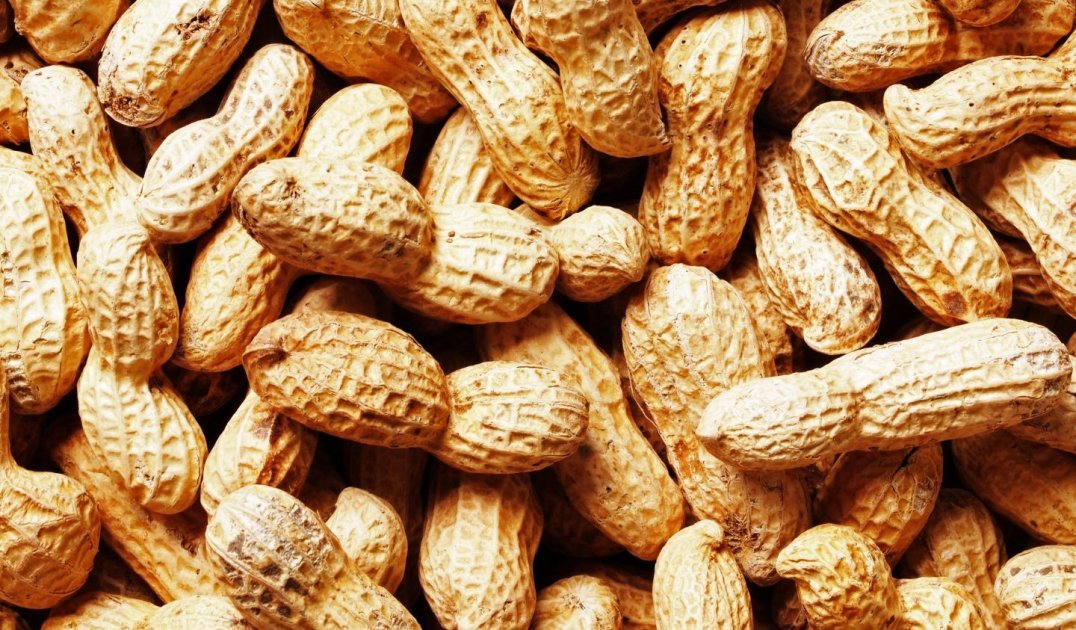
Groundnut (peanut) is the closest whole-food match to whey protein powder available in Nigeria. Roasted groundnuts contain about 25g of protein per 100g, alongside healthy fats that support recovery and hormone production.
A standard 500g bag of roasted groundnuts costs around ₦1,200 -₦2,000, compared to ₦25,000 -₦45,000 for an imported whey tub.
Because groundnuts carry more fat and fewer amino acids per gram than whey, you’ll need a larger daily portion, about 60 -80g spread across the day, to match a single protein shake’s punch.
- Eggs
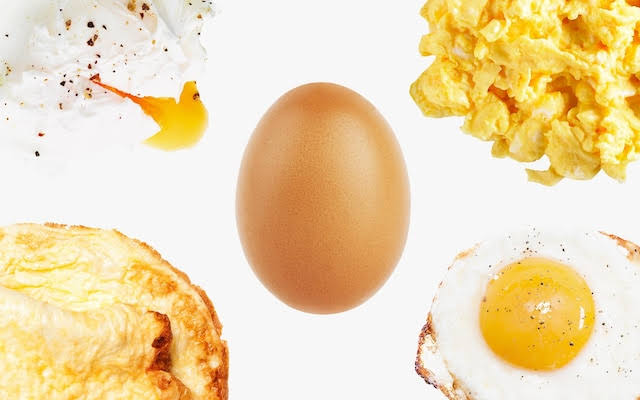
Eggs work better than most protein powders for muscle repair because they’re a complete protein, meaning they contain all nine essential amino acids your body can’t make on its own.
One large boiled egg supplies about 6g of protein along with choline and vitamin B12, both of which support energy metabolism during training.
A crate of 30 eggs currently costs about ₦6,000 in most Nigerian cities, which works out to ₦200 per egg. Eating four to five boiled eggs after a workout delivers close to 25–30g of protein, right in the range most trainers recommend post-exercise.
Because eggs digest slowly and steadily, they also keep you fuller for longer than a quick protein shake would.
- Moringa

Moringa leaf powder can replace a multivitamin because it’s unusually dense in both protein and micronutrients for a leafy plant.
Peer-reviewed nutritional analysis found dried moringa leaf powder contains about 25% protein by weight, alongside significant iron, calcium, and beta-carotene.
A 250g pack of dried moringa powder, widely sold in Nigerian markets and pharmacies, costs around ₦2,000 -₦3,500 and lasts over a month at one teaspoon a day. Stir it into pap, soup, or a smoothie, the taste is grassy, so most people mask it rather than eat it straight.
Unlike a synthetic multivitamin tablet, moringa also brings fibre and antioxidants, which support digestion alongside your training recovery.
How Do You Build a Natural Pre-Workout Stack From These Foods?
Follow these four steps to combine the foods above into one routine, instead of scattering them randomly through your day.
- Two to three hours before training, drink fresh beetroot juice so the nitrate has time to convert to nitric oxide in your bloodstream.
- Thirty to forty minutes before training, eat a ripe banana or a cup of blended watermelon for fast-acting carbohydrate energy.
- Twenty minutes before training, chew a small piece of kola nut if you need extra alertness, skip this step on rest-heavy or evening sessions to protect your sleep.
- Within an hour after training, eat four boiled eggs with a handful of roasted groundnuts to cover your protein needs for muscle repair.
Repeat this stack three to four times a week, and adjust portions based on your body weight and training intensity.
FAQs
- Can I replace whey protein completely with groundnuts and eggs?
Yes, for most everyday training goals. You’ll need larger portions than a single scoop, roughly 4 -5 eggs plus a handful of groundnuts, but the amino acids add up close to what a protein shake provides.
- Is kola nut safe to take every day before the gym?
Small amounts are generally fine, but daily use can affect sleep and cause stomach upset due to its caffeine and tannin content. Limit it to three to four sessions a week and avoid it late in the day.
- Do these food supplements work as fast as powdered ones?
Not exactly. Whole foods digest more slowly than powders, so beetroot and watermelon need two to three hours to show their full effect, while powders often act in 20–30 minutes.
- Are these Nigerian food supplements cheaper than gym supplements long-term?
Yes, significantly. A month of watermelon, banana, eggs, and groundnut typically costs under ₦15,000, compared to ₦60,000 -₦100,000 for a comparable stack of imported pre-workout, protein, and multivitamin products.