





Yes, brown rice is generally the healthier rice, mainly because it keeps its fibre, magnesium and B-vitamins intact. Brown rice is more nutritious than white rice largely because it’s higher in fibre, magnesium, and other nutrients, and it isn’t artificially enriched the way white rice is.
However, “healthier” doesn’t mean white rice is bad, it means the two grains serve slightly different purposes on your plate.
What’s the Nutritional Difference Between Brown Rice and White Rice?
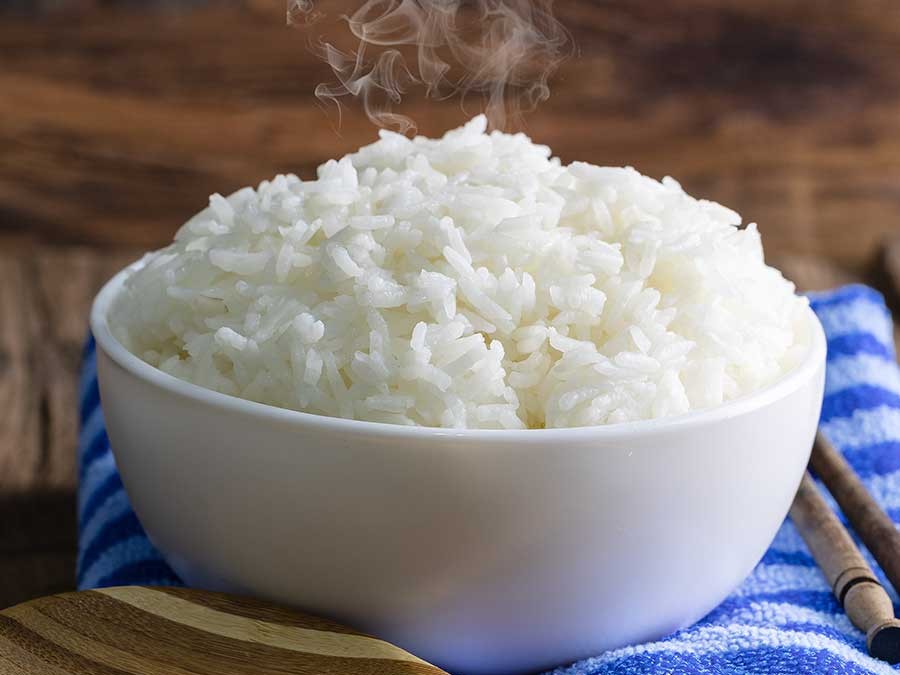
The difference comes down to processing. Brown rice is the whole grain, bran, germ and endosperm all intact. White rice has had the bran and germ stripped away, leaving mostly starch behind.
Because of this, fibre is where the two really split apart. One cup of cooked brown rice contains about 3.5 grams of fibre, versus roughly 0.6 grams in white rice, nearly six times more.
That fibre is the reason brown rice keeps you fuller for longer.
Calories, though, are closer than most people assume. A cup of cooked white rice has about 205 calories, while brown rice has around 216 calories, a small gap that shouldn’t decide anything on its own.
In addition, brown rice edges out white rice on minerals. Brown rice contains 433% more dietary fibre than white rice by weight, and has more riboflavin and vitamin B6, while white rice contains more folate, largely from fortification.
So nutrition-wise, brown rice has more fibre and minerals. White rice, on the other hand, holds its own on folate, mostly because manufacturers add it back in after milling.
Does Brown Rice Have a Lower Glycemic Index Than White Rice?
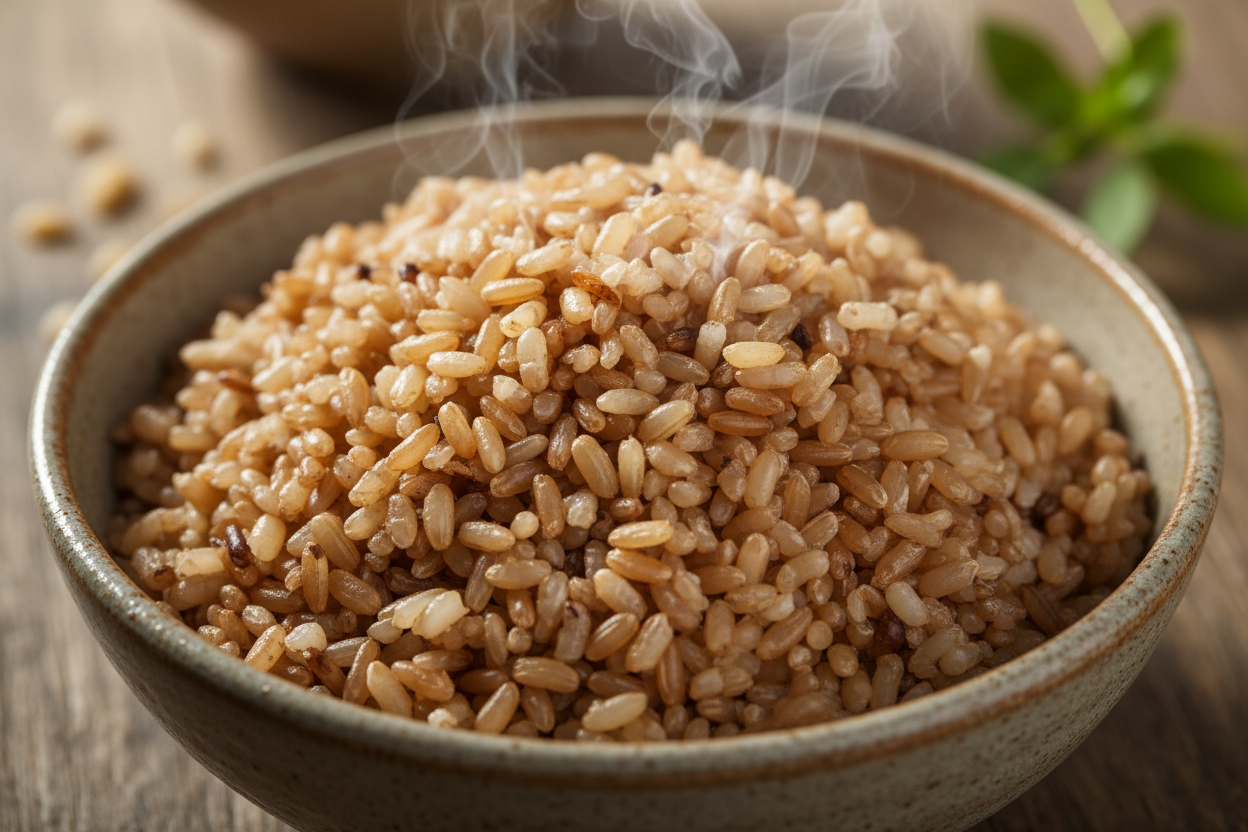
Yes, and this matters a lot if you’re watching your blood sugar. White rice has a high glycemic index around 73, while brown rice sits in the medium range at about 68. That gap looks small on paper, but over time, it adds up.
Eating white rice is linked to a higher risk of developing type 2 diabetes, while brown rice consumption is linked to a lower risk.
This isn’t just an American statistic that doesn’t apply to us, diabetes is climbing fast in Nigeria. A recent meta-analysis found that type 2 diabetes prevalence in Nigeria has reached roughly 7%, nearly double the earlier 2019 estimate, marking a 21.3% jump within a few years.
Rice isn’t the enemy here, sustained high intake without fibre or protein alongside it is what pushes blood sugar around.
So if you’re managing prediabetes or a family history of diabetes, brown rice’s slower digestion genuinely helps.
Is Brown Rice’s Bran Actually a Problem?
:max_bytes(150000):strip_icc()/brown-white-rice-GettyImages-509435614-118e4c0f7dd04804859672e07bc86ecf.jpg)
This part surprises most people. Brown rice, despite being the “healthier” grain, contains more arsenic than white rice.
The FDA found average inorganic arsenic concentrations of 92 parts per billion (ppb) in white rice compared to 154 ppb in brown rice, because the bran layer, which holds most of brown rice’s nutrition, also concentrates arsenic absorbed from soil and water.
To put that in context: rice bran and brown rice consistently show higher arsenic content than white rice, and regular brown rice consumers show higher estimated arsenic exposure than white rice eaters, though the general adult population isn’t at acute risk from this.
Young children are the group researchers flag most, since the data suggests a potential risk of harmful arsenic exposure from brown rice specifically in children under five, even though most adults’ exposure levels don’t reach concerning thresholds.
What does this mean practically? Rinse your rice thoroughly before cooking, cook it in extra water and drain the excess (like pasta), and avoid feeding infants brown rice exclusively.
For adults eating rice a few times a week, this isn’t a reason to avoid brown rice, just a reason to be sensible about it.
Is Ofada Rice Nigeria’s Answer to Brown Rice?
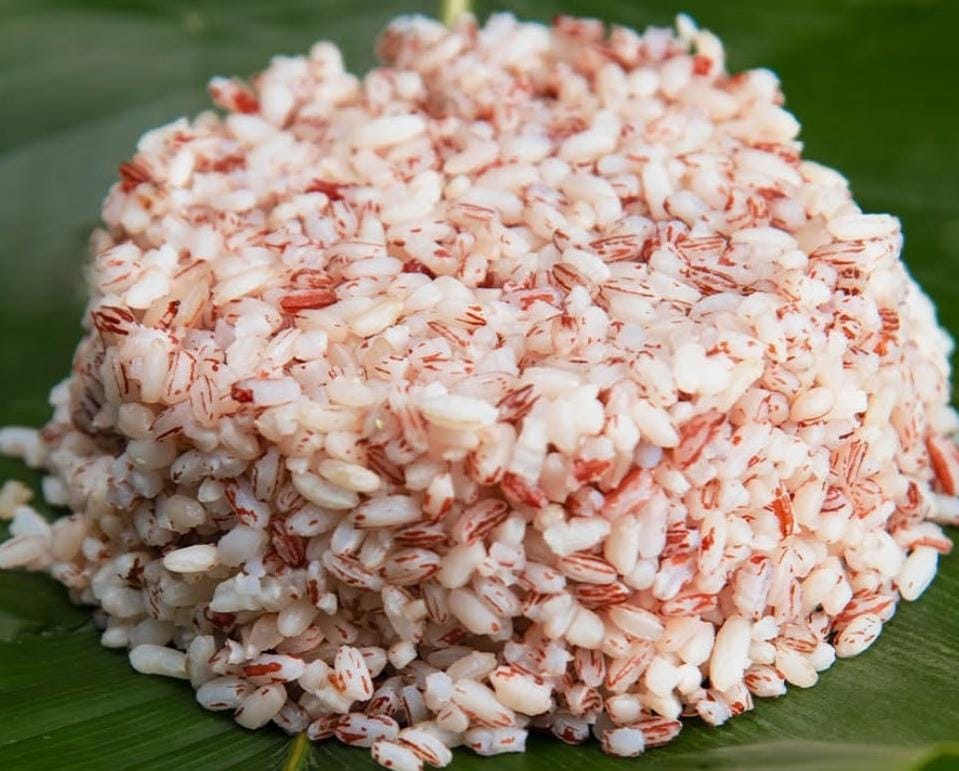
Yes, Ofada rice is Nigeria’s home-grown brown rice, and it deserves more credit than it gets. Named after Ofada town in Ogun State, this unpolished, short-grain rice keeps its bran and germ, just like the “brown rice” sold abroad.
Because Ofada rice isn’t heavily milled, it carries the same fibre and mineral advantages we talked about earlier, the ones that come from keeping the bran intact rather than stripping it away.
Unlike the imported “healthy brown rice” trend you see on social media, Ofada rice has been part of Southwestern Nigerian diets for generations, usually served with ayamase.
If you’re trying to eat more fibre without paying import prices, Ofada rice is arguably the smartest rice move you can make as a Nigerian right now. It’s local, it’s already culturally normal, and nutritionally, it’s doing the same job as any imported “brown rice” brand.
How Do You Cook Brown Rice So It Doesn’t Come Out Hard?
A lot of Nigerians try brown or Ofada rice once, get a chewy, half-cooked pot, and give up. Here’s a simple process that actually works:
- Sort and rinse thoroughly. Ofada rice especially comes with stones and chaff, pick through it before rinsing, then rinse until the water runs mostly clear.
- Soak for at least 30 minutes. This softens the bran layer and cuts down cooking time significantly.
- Use more water than you would for white rice. A ratio of about 1 cup rice to 2.5 cups water works well for most Nigerian brown or Ofada rice.
- Parboil first, then finish cooking. Boil for 10–15 minutes, drain, then return to the pot with fresh water to finish, this also helps reduce arsenic content, since much of it leaches into the discarded water.
- Simmer covered for 25–35 minutes, checking occasionally, until the grains are tender but still slightly firm.
- Rest for 5 minutes off the heat before serving, so the grains finish steaming evenly.
Which Rice Should You Actually Eat?
Honestly? Both have a place on your plate. If you’re managing blood sugar, want more fibre, or you’re trying to stay fuller for longer on a budget, brown rice, or better yet, Ofada rice, is the smarter everyday choice.
If you have digestive issues, are recovering from surgery, or just genuinely prefer the taste and texture of white rice for your jollof, there’s no need to feel guilty about it.
What actually matters more than “brown vs white” is what you eat alongside your rice.
A plate of white rice with beans, vegetables and grilled protein will beat a plate of brown rice eaten alone with nothing but stew, every single time. Rice is one part of the meal, not the whole nutrition story.
FAQs
- Is Ofada rice the same as brown rice?
Yes, functionally. Ofada rice is unpolished and keeps its bran and germ layer, giving it the same fibre and nutrient profile as the brown rice sold internationally. - Does brown rice help with weight loss more than white rice?
Brown rice’s extra fibre helps you feel full longer, which can support weight management, but the calorie difference between the two is small. Portion control matters more than the rice colour. - Is brown rice safe for children?
In moderate amounts, yes, but avoid making it a child’s main rice source every single day, since brown rice naturally contains more arsenic than white rice, and children are more sensitive to it per body weight. - Why does brown rice take longer to cook than white rice?
Because the bran layer is still intact, water has to penetrate it before the grain can soften, which is why soaking and using extra water speeds things up noticeably.