


Frozen food is not automatically worse than fresh food. In fact, a bag of frozen spinach picked and frozen at peak ripeness can hold onto more vitamin C than “fresh” spinach that has spent five days sitting in your fridge. The actual answer depends on the food, the storage time, and how you use it.
Let’s settle it properly, with the data behind fresh vs frozen food.
Is Frozen Food Less Nutritious Than Fresh Food?
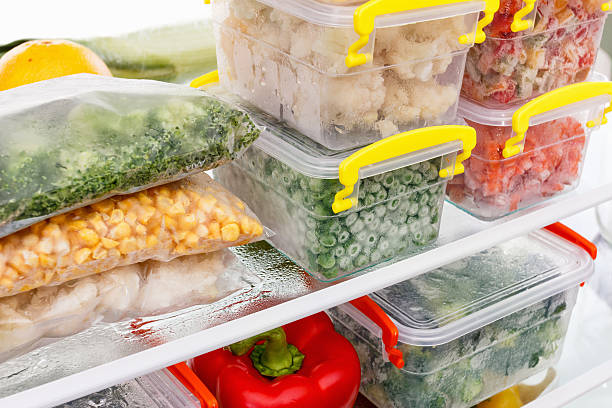
No, frozen food is not less nutritious than fresh food in most cases.
When researchers compared eight fruits and vegetables across fresh, “fresh-stored” (refrigerated for five days, which mimics how most people actually eat), and frozen categories, they found no significant differences in vitamin content for the majority of comparisons.
When there were significant differences, frozen produce outperformed the fresh-stored category more often than the other way around.
This matters because most of us don’t eat fresh produce the day we buy it. A tomato from the market often sits in your freezer for three or four days before it makes it into your stew. During that time, it’s still losing nutrients, even though it looks perfectly fresh.
Why Does Frozen Food Sometimes Have More Nutrients?
Frozen food is usually harvested and frozen within hours, at the point when the nutrient content is highest.
Fresh food, on the other hand, travels from farm to market to your kitchen, and every stage of that journey costs it a little more vitamin C. Produce keeps respiring, ageing, and breaking down after harvest, and that process leads to a steady loss of nutrient value the longer it sits.
Does Frozen Food Lose Vitamins When It’s Frozen?
Yes, but usually less than you’d expect, and the loss happens before freezing, not during it.
Vegetables are blanched briefly in hot water before they go into the freezer, and this step causes most of the nutrient loss you’ll ever see in frozen food.
One review found that vitamin C content could drop by 10 to 80 percent during blanching and freezing, with an average loss of around 50 percent.
Once the food is actually frozen, though, nutrient loss almost stops. This is why frozen spinach can hold its ground for months, while the fresh version wilts and loses value within a week.
How Does Storage Time Affect Fresh Food Compared to Frozen Food?
Storage time affects fresh food much harder than it affects frozen food.
Fresh spinach kept at room temperature for a week can lose all of its vitamin C, and even refrigeration only slows that loss down to around 75 percent, while flash-frozen spinach holds onto the vast majority of its vitamin C for months in the freezer.
For a student in a Lagos hostel who buys ugu once a week and keeps it in a small fridge, that vegetable is losing value every single day before it even reaches the pot. A bag of frozen vegetables bought on the same day would still be close to its original nutrient level by the time it’s cooked.
Is Frozen Food Safe to Eat in Nigeria?

Yes, frozen food is safe to eat in Nigeria, as long as the cold chain is respected. NAFDAC’s own guidance requires frozen food to be kept at a steady temperature of around -18°C throughout storage and transport.
The bigger safety concern in Nigeria isn’t the freezing process itself; it’s what happens when the power supply is unreliable and food thaws and refreezes multiple times before it gets to your plate.
That’s why the source of your frozen food matters more than the fact that it’s frozen. A reputable cold room with a functioning generator is far safer than a roadside freezer that goes off every time NEPA takes light.
How Can You Tell if Frozen Food Has Been Properly Handled?
- Check for ice crystals inside the pack. Large ice crystals or frost usually mean the food thawed and refroze at some point.
- Feel the package. It should be solid all through, not soft in some spots and hard in others.
- Check the packaging for damage. Torn or punctured bags let air in and speed up spoilage.
- Ask about the freezer source. Buying frozen chicken or fish from a vendor with a steady power source, not just a cooler with block ice, reduces your risk.
- Look at the colour. Frozen meat or fish that looks grey, dull, or has a strange smell after thawing should not be cooked.
How Should You Store Frozen Food Properly at Home?
Store frozen food at 0°F (-18°C) or colder, and keep your freezer door closed as much as possible. Every time you open a chest freezer during a power outage, you let warm air in and shorten the life of everything inside it.
If NEPA takes light often in your area, avoid overloading your freezer with warm food straight from the market. Cool it down first if you can, since packing warm items into a freezer forces the whole unit to work harder and raises the temperature of everything else inside.
Which Foods Are Better Fresh, and Which Are Fine Frozen?
Some foods genuinely taste and perform better fresh, especially anything you eat raw or lightly cooked, like tomatoes for a salad, cucumber, or fruit you’re eating on its own. Texture matters here, and freezing changes the cell structure of watery produce, which is why frozen tomatoes go mushy once thawed.
However, for vegetables you’re cooking into a meal, soup, stew, or efo riro, frozen works just as well nutritionally and often saves you money and time. Frozen peas, sweetcorn, and leafy greens go straight from freezer to pot, no washing, sorting, or picking out bad leaves required.
For proteins like chicken, turkey, and fish, frozen is often the more practical choice for busy professionals, since it removes the daily trip to the market and the risk of spoilage before you’re ready to cook.
FAQs
- Does frozen food have preservatives added to it?
No, plain frozen fruits, vegetables, chicken, and fish don’t need added preservatives. The cold temperature itself is what stops bacteria and enzymes from breaking the food down, so check the label only if you’re buying a seasoned or breaded frozen product.
- Is frozen fish healthier than fresh fish in Nigeria?
Frozen fish is often just as healthy as fresh fish, and sometimes safer, since it’s usually frozen shortly after catching. Fresh fish sold in open markets can sit unrefrigerated for hours in Nigerian heat, which raises the risk of bacterial growth long before it reaches your pot.
- Can you refreeze frozen food after thawing it?
It’s best not to refreeze raw meat, chicken, or fish once it has fully thawed, since bacteria multiply quickly at room temperature. If you thawed it in the fridge and it’s still cold, cooking it and then freezing the cooked leftovers is the safer route.
- Why is frozen food cheaper than fresh food sometimes?
Frozen food is often cheaper because it’s processed and packed in bulk right after harvest, cutting down on the waste and spoilage costs that get added to fresh food prices. You’re also less likely to throw frozen food away, which makes the real cost per meal lower over time.