


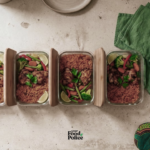




Yes, students can eat well on a tight allowance, it just takes a little planning. Most students overspend not because food is expensive, but because they’re buying the wrong things at the wrong time, in the wrong places.
How Can Students Eat Well on a Tight Allowance?

Students eat well on a tight allowance by building meals around cheap, protein-rich staples, cooking in batches, and avoiding daily buka runs that drain the pocket. It’s less about cutting food out and more about being smart with what goes in the pot.
Many students are convinced that “eating healthy” means expensive foods and imported cereals. However, that’s simply not feasible in a Nigerian context. Beans, eggs, garri, and leafy vegetables cost far less than most snacks and still deliver solid nutrition.
Hostel life often means irregular schedules, shared kitchens, and the constant temptation of nearby food vendors. As a result, students end up spending on convenience rather than planning ahead. Once you break that pattern, even a modest allowance stretches surprisingly far.
What Breakfast Options Work Best for Students on a Budget?

Oats, akara with pap, or boiled eggs with bread are among the cheapest breakfasts that still deliver nutrients like protein and fibre. Skipping breakfast entirely, a common student habit, usually backfires by triggering overeating later in the day.
Boiled Eggs and Bread
A single egg costs around ₦200 in most markets, and it has roughly 6 grams of protein along with vitamin B12 and choline, both important for concentration during long lecture hours. Pair two eggs with bread, and you’ve got a breakfast under ₦1000.
Akara and Pap
Akara, made from blended beans, gives you plant protein and iron for around ₦50 to ₦100 per piece at most food spots (well, except you’re buying designer akara). Combine it with pap for a filling, affordable combo that keeps you full through a morning of classes.
How Much Should Students Budget for Food Each Week?
A single student cooking at home can realistically eat well on ₦6,000 to ₦8,000 a week, depending on location and how much cooking they’re willing to do. Buka meals or frequent delivery orders can easily double or triple that figure.
Here’s a quick weekly comparison for students choosing between three common feeding styles:
| Feeding Style | Estimated Weekly Cost | What You Get |
| Hostel cooking (grains, beans, veg) | ₦6,000 – ₦8,000 | Full control over portions and nutrients |
| Buka meals (twice daily) | ₦14,000 – ₦18,000 | Convenience, less nutrient control |
| Delivery apps (Chowdeck etc.) | ₦18,000 – ₦25,000+ | Fastest option, highest cost per meal |
Prices reflect typical 2026 ranges and vary by campus and state.
Because food inflation has kept staple prices elevated, the National Bureau of Statistics reported food inflation at 17.52 percent year-on-year in June 2026 , the gap between cooking and buying out has actually widened.
This means the savings from cooking at home matter more for students now than they did a few years ago.
What Are the Best Protein Sources for Students on a Tight Budget?
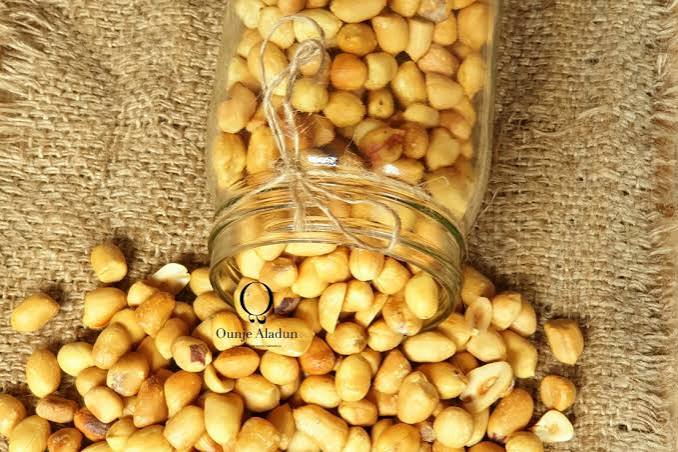
Beans, eggs, groundnuts, and Titus fish top the list of affordable protein sources that students can rely on without overspending. Each brings a different nutrient profile, so rotating between them covers more ground nutritionally.
Beans and Moin Moin
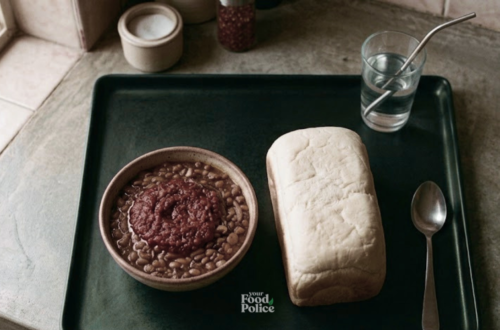
A congo of beans costs roughly ₦2,500 and stretches across several meals when cooked as ewa agoyin or moin moin. Beans give plant protein, fibre, and folate, which matters especially for female students managing monthly iron losses.
Groundnuts
Swapping biscuits or sweets for roasted groundnuts gives students protein and healthy fats instead of empty sugar. A small cup costs about ₦500 in most markets, making it one of the cheapest nutrient upgrades available to students.
Titus Fish and Eggs
Titus fish, sold whole or in pieces, gives omega-3 fatty acids to a student diet that might otherwise skip fish entirely. Combined with eggs a few times a week, students can get reasonable protein targets without touching meat prices, which have climbed sharply this year.
How Can Students Stock Their Hostel Without Overspending?
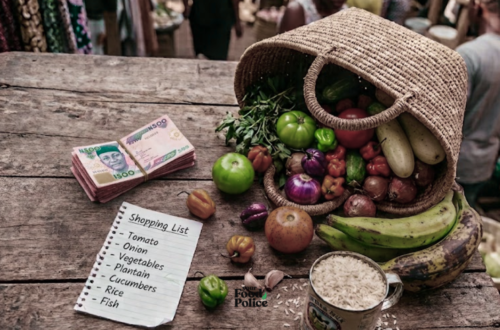
Students stock their hostel affordably by focusing on non-perishables first, splitting bulk purchases with roommates, and buying perishables in small, frequent amounts. Here’s a simple process that works for most hostel setups.
- Start with a pantry base. Rice, garri, beans, and spaghetti store well and form the backbone of most meals, so buy these first.
- Split bulk items with roommates. Onions or a crate of eggs is far cheaper per unit than buying small quantities alone, and splitting it removes the storage problem.
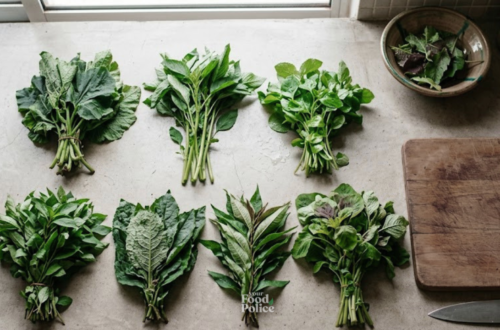
- Buy perishables in small batches. Tomatoes, pepper, and vegetables spoil fast, so buy only what you’ll finish within two or three days.
- Keep a running shopping list. Writing down what’s finished before you run out prevents the expensive last-minute dash to the nearest kiosk.
- Cook once, eat twice. Preparing a large pot of stew or beans and portioning it across two or three meals saves both time and gas or kerosene costs.
What Mistakes Make Students Overspend on Food?
The biggest mistake is grazing on snacks and small purchases throughout the day instead of planning proper meals, since those small buys add up fast. Close behind that is skipping meals, which often leads to overspending later out of hunger.
The Snack Trap
A ₦300 biscuit here, a ₦500 meat pie there, these small purchases feel harmless individually but add up to a lot of money over a week. Tracking snack spending for even three days often surprises students with how much it totals.
Skipping Meals to “Save Money”
Skipping breakfast or lunch to cut costs usually backfires, because it leads to overeating or ordering expensive food later out of hunger. A modest, planned meal almost always costs less than the recovery snack run that follows a skipped one.
Cooking Alone When Splitting Makes More Sense
Many students cook solo out of habit, even when a roommate is cooking something similar nearby. Combining pots for shared meals a few times a week cuts ingredient costs and gas or kerosene usage for everyone involved.
Making This Stick Beyond the First Week
None of these habits require a nutrition background to apply, only a bit of upfront planning and a willingness to cook a few times a week.
Students who build even one habit from this list, whether that’s batch cooking or splitting bulk purchases, tend to see the difference in their pocket within the first month.
Start small. Pick one meal to prep this week, one bulk item to split with a roommate, and build from there.
FAQs
- Can students eat healthy on a small allowance in Nigeria?
Yes, students can eat well on a small allowance by prioritising cheap, protein-rich staples like beans, eggs, and groundnuts over convenience food. The key is planning meals ahead rather than buying reactively when hunger comes.
- How can students save money without cooking every day?
Students can batch cook two or three times a week and store portions, which cuts both cooking time and total spending compared to daily buka runs. Splitting bulk grocery items with roommates also reduces per-meal cost without adding daily cooking work.
- What’s the cheapest source of protein for Nigerian students?
Beans and eggs are typically the cheapest reliable protein sources for students, often costing under ₦1,000 for enough to cover several meals. Groundnuts also offer an affordable protein boost as a snack replacement.
- Is it cheaper for students to eat at a buka or cook at home?
Cooking at home is almost always cheaper for students, often costing half of what regular buka meals add up to over a week. Buka meals remain useful for busy days, but relying on them daily strains most student budgets fast.