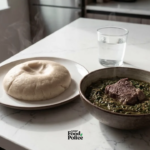

No, garri does not make you fat on its own. Weight gain comes from eating more energy than your body uses over time, and garri is just one food that can add to that total. So, does garri make you fat? Only when large portions, rich extras, and low activity pile up together.
Key takeaways
- Garri is a calorie-dense staple, but no single food causes fat gain by itself.
- Portion size, added sugar and oil, and a low-protein plate explain most cases of garri and weight gain.
- Eating eba with vegetables and protein helps you feel full on a smaller portion.
- Garri can fit into a weight-loss plan when you measure it and balance the plate around it.
- Eba can raise blood sugar quickly, so portion and pairing matter even more if you have diabetes.
Calories in Garri
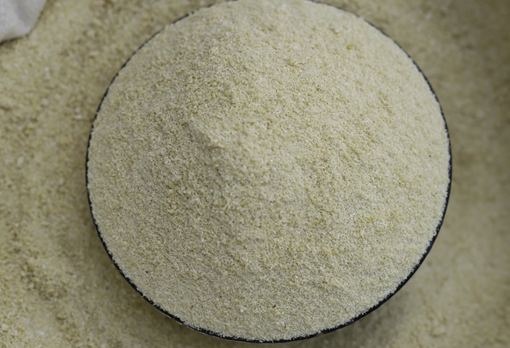
Dry garri has roughly 350 to 360 calories per 100 grams, which puts it on par with uncooked white rice. Almost all of those calories come from starch. Garri has very little fat or protein, so the calories add up fast when portions grow.
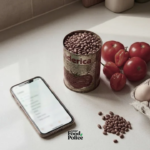
Most people measure garri by the cup, not by the gram. A derica, a cup, and a handful all hold different amounts, so garri calories can swing a lot from one meal to the next. For example, 200 grams of dry garri gives about 700 calories before any soup, oil, or sugar.
Eba and soaked garri look bigger because garri soaks up water. Water adds weight and volume but no calories. As a result, the dry amount is the number that counts.
Garri also offers little of the nutrients your body needs for muscle and blood health. White garri supplies small amounts of protein, iron, zinc, and vitamin A. Because of this, what you eat with garri matters as much as the garri itself.
This table compares the energy in common dry staples per 100 grams.
| Dry staple (100 g) | Approx. calories | Usual gap on the plate |
| Garri | 350-360 | Protein, fibre |
| White rice, uncooked | 360-365 | Fibre, protein |
| Wheat flour | About 360 | Fibre (if refined) |
What Really Causes Weight Gain?
Weight gain happens when you regularly eat more calories than your body burns. The World Health Organization calls this energy imbalance the fundamental cause of overweight and obesity.
Food type shapes how full and well-nourished you feel, but the total over weeks and months decides what the scale does.
Calories In, Calories Out
The amount of calories you take in and the amount that goes out is important, because whatever excess calories there are is stored as fat.
WHO also notes that eating more energy-dense food without moving more leads to weight gain. In other words, the pattern matters more than one meal. A bowl of eba on Sunday will not change your body, but a daily surplus will.
Why Garri Gets the Blame
Garri is easy to blame. It sits in the middle of the plate, it is cheap, and many people eat it often. However, nobody blames the sugar in the soaked garri, the extra oil in the soup, or the hours of sitting that follow.
Blaming one food also hides the bigger picture. Sleep, stress, daily movement, and sugary drinks all affect your weight. Garri just happens to be the most visible part of the meal.
The Truth About Eating Garri Daily and Weight Gain
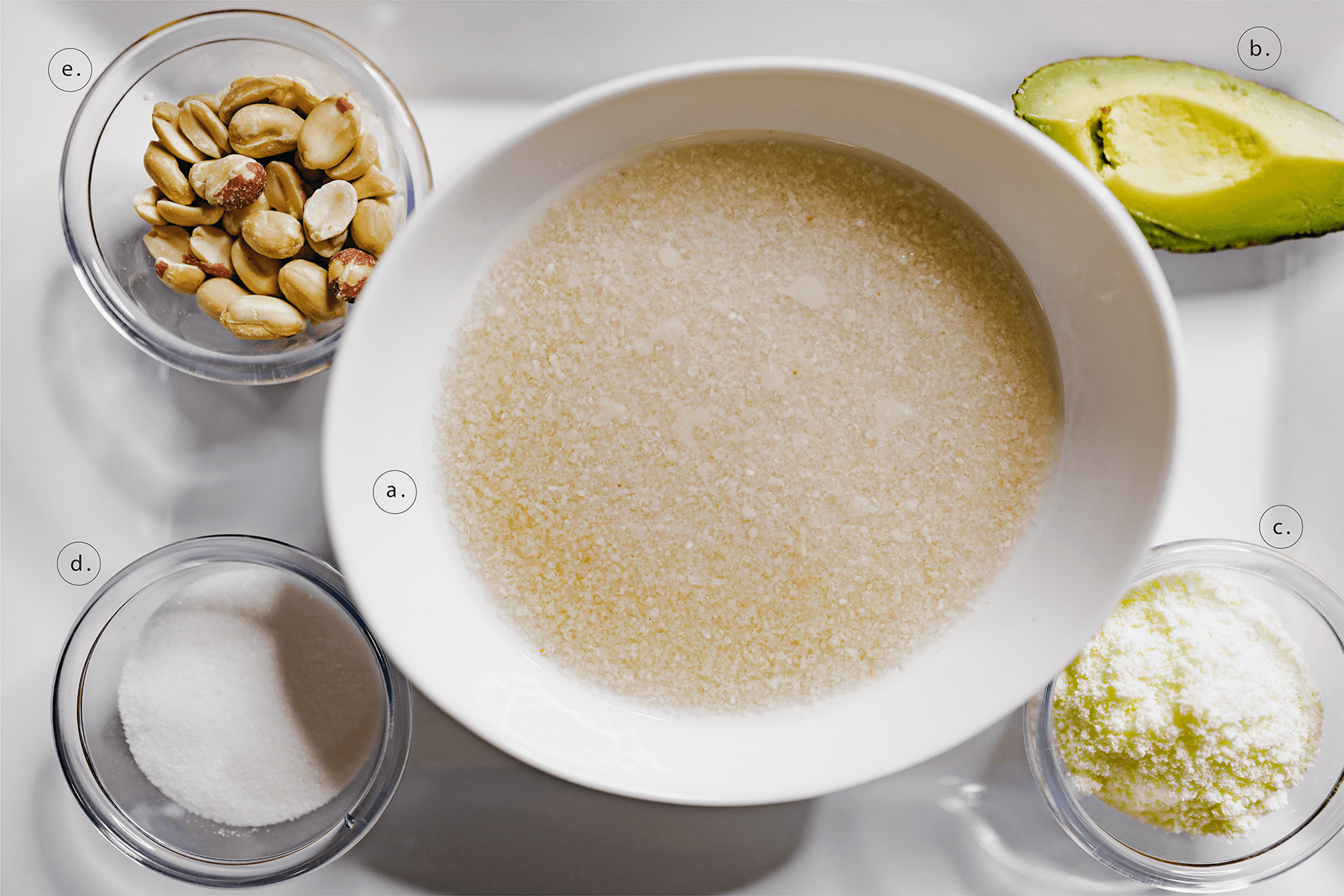
Eating garri every day does not make you fat by itself, but large portions daily can lead to weight gain when your total calories stay above what you burn.
Garri and weight gain are linked through portion size, added oil and sugar, and low-protein meals. Cassava has nothing special that stores fat.
What Then Is The Problem
- The cup problem
Measuring garri by the cup hides the real amount you eat. A heaped cup can hold far more than a level one. Over a week, that gap adds up.
- The extras: sugar, milk, groundnut, and oil
Soaked garri often comes with sugar, milk powder, or groundnut. Eba comes with soup, and soup comes with oil. One tablespoon of vegetable oil adds about 120 calories, so a few extra spoonfuls in a shared pot are easy to miss.
- A plate that is mostly starch
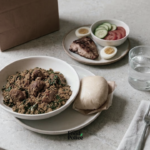
Eba with a thin soup and one small piece of meat is mostly starch. Protein and fibre help you feel full for longer, so a low-protein plate often leads to second helpings. Adding beans, fish, eggs, or leafy vegetables changes that.
- Cheap calories on a tight budget
Starch is the cheapest energy in most markets. As of 2026, a derica of garri costs roughly ₦900 to ₦1,800, while a single egg costs roughly ₦250 to ₦500. Because of this gap, garri often fills the plate when money is short, and protein and vegetables shrink. That pattern is a major driver of garri and weight gain for students and workers.
Garri and Blood Sugar?
Eba made from garri can raise blood sugar quickly. A 2023 study of eba made from improved cassava varieties found glycemic index values above 70, which counts as high. Portion size and pairing therefore matter, especially for anyone with diabetes.
Researchers tested the eba in 23 healthy volunteers. IITA’s summary of the work also recommends eating cassava products alongside vegetables and fibre-rich foods. That advice matches the plate check below.
A high glycemic index does not mean a food turns straight into body fat. It describes how fast blood sugar rises. Still, some people feel hungry again sooner after a starch-only meal, which makes the portion harder to control.
Can You Eat Garri for Weight Loss?
Yes, you can include garri in a weight-loss plan when you measure the portion and build the rest of the plate around protein and vegetables. Garri for weight loss works when your total daily calories fall below what you burn, not when you remove one food. Cutting garri completely is unnecessary for most people.
Try this five-step plate check:
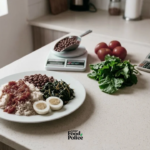
- Weigh your usual portion once. Use a kitchen scale for the dry garri. Then note how many dericas or cups that amount equals, so you can repeat it.
- Fill half your bowl with vegetable soup. Pumpkin leaves (ugu), spinach (efo), and okra add fibre, iron, and vitamin C without many calories.
- Add one palm-sized protein. Fish, eggs, beans, or lean meat will keep you full longer.
- Count the oil. Measure soup oil with a spoon instead of pouring from the bottle.
- Pause before seconds. Wait a few minutes, then decide if you still want more.
When Should You See a Doctor or Dietitian?
See a doctor if your weight changes quickly or you notice symptoms that garri or your diet cannot explain. Book a visit if you notice any of these:
- Constant thirst, frequent urination, or blurry vision, which can signal high blood sugar.
- Unexplained weight gain or loss over a few weeks.
- Swollen ankles or breathlessness along with weight gain.
- Headache, dizziness, or vomiting soon after eating poorly processed cassava foods.
If you have diabetes, high blood pressure, or kidney disease, ask a registered dietitian for a personal garri portion. Buy garri from sellers who process it properly, and check for a NAFDAC number on packaged brands.
FAQs
- Is yellow garri better than white garri for weight loss?
Yellow and white garri have similar calories. Differences in fibre and vitamin A depend on the cassava variety and processing, so measure the portion either way. - Is it bad to eat garri at night?
Garri at night does not add extra fat by itself, because total calories across the day matter more. A big eba dinner can leave you uncomfortably full before bed, so choose a smaller portion with vegetable soup. - How many times a week can I eat garri?
There is no official limit. Most healthy adults can eat garri several times a week when portions are measured and the plate includes protein and vegetables. - Is garri better than rice for weight loss?
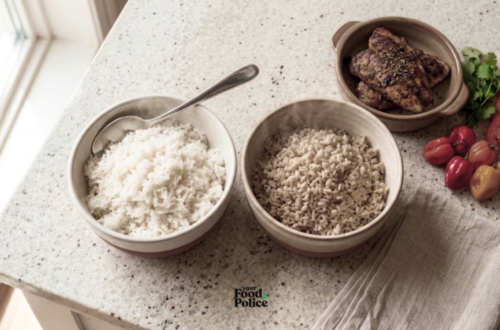
Dry garri and uncooked rice have about the same calories. The better choice is whichever you can portion accurately and pair with protein and vegetables.
Tonight, weigh the dry garri you would normally cook or soak, using a kitchen scale. Write the number down. Then build your plate around it: half vegetable soup, one palm-sized piece of fish, egg, or beans, and the garri you just measured.